Activated carbon filters are your go-to solution for tackling unwanted odors in your home. They trap and neutralize smells, helping your space feel fresh and inviting. Whether it's cooking, pets, or anything else, these filters make sure your air stays clean and pleasant.
Activated Carbon / Odor Control Filters
Say goodbye to unwanted odors and enjoy fresh, clean air with our activated carbon filters
Product List
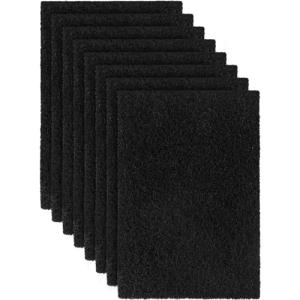
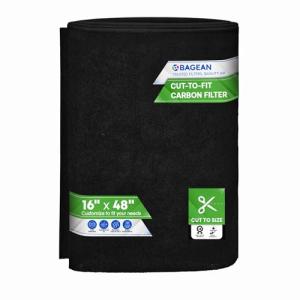
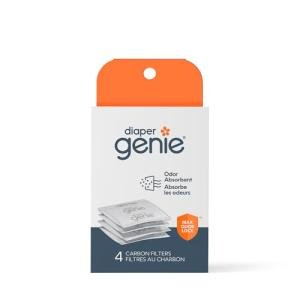
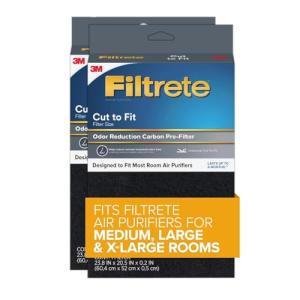
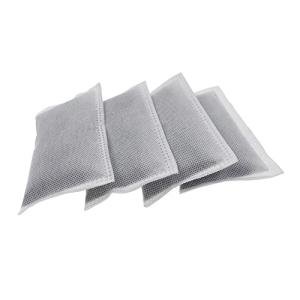
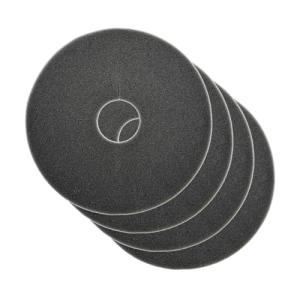
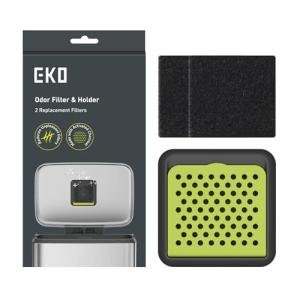
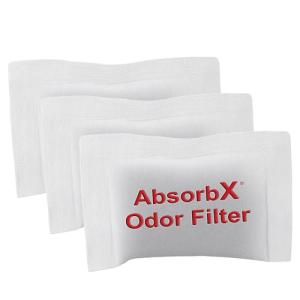
iTouchless Charcoal Trash Filters
Product Review Score
4.29 out of 5 stars
124 reviews$29.99 $23.96
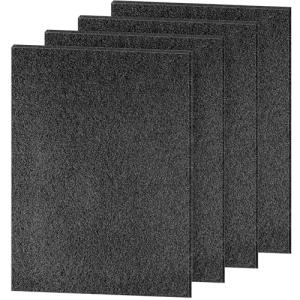
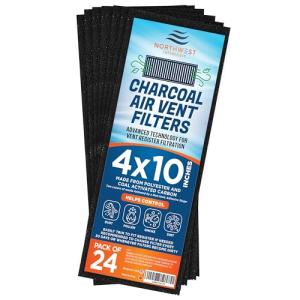
Winix Activated Carbon Pre-Filters
Product Review Score
4.37 out of 5 stars
149 reviews$13.99 $12.99
What Are Activated Carbon Odor Control Filters?
Activated carbon filters—sometimes called carbon air filters or odor neutralizing filters—are specialized air filtration media designed to capture gases, vapors, and odor-causing molecules that regular HEPA or mechanical filters simply can’t touch. The secret lies in the material itself: activated carbon, a highly porous form of carbon that’s been treated to create an enormous internal surface area—up to 3,000 square meters per gram in premium grades.
Unlike basic dust filters that physically trap particles, activated carbon works through a process called adsorption. Odor molecules, smoke particles, and chemical vapors stick to the vast network of pores and stay locked in place. This makes activated carbon odor control filters the gold standard for everything from kitchen grease smells to pet urine odors, cigarette smoke, and even formaldehyde off-gassing from new furniture.
Modern odor control filters often combine activated carbon with other technologies for hybrid performance. You’ll find them in pellet form, granular beds, honeycomb panels, or impregnated fabrics. Some are infused with potassium permanganate or other additives to target specific gases like hydrogen sulfide or ammonia. The result? Comprehensive odor elimination that keeps working 24/7 without any artificial fragrances.
How Do Activated Carbon Odor Control Filters Actually Work?
The magic starts with the activation process. Raw carbon (usually from coconut shells, wood, or coal) is heated to extreme temperatures in a low-oxygen environment, then treated with steam or chemicals to open up microscopic pores. This creates a sponge-like structure with billions of tiny tunnels ready to grab passing molecules.
When air flows through the filter, odor-causing compounds collide with the carbon surface and get trapped by weak molecular forces (Van der Waals forces). The more surface area and the better the airflow design, the longer the filter performs at peak efficiency. High-quality activated carbon odor control filters can handle thousands of cubic feet of air per minute while maintaining low pressure drop—meaning your HVAC or purifier fan doesn’t have to work overtime.
Over time, the pores fill up. That’s when replacement becomes necessary, but premium filters often last 6–12 months in residential use and even longer in lighter-duty applications. Factors like humidity, odor concentration, and airflow rate all influence lifespan, which is why we’ll cover maintenance tips later.
Key Benefits of Using Activated Carbon Filters for Odor Control
The advantages go far beyond simply smelling better. Activated carbon odor control filters deliver measurable improvements in indoor air quality that you’ll notice immediately and appreciate long-term.
First, they eliminate odors at the molecular level rather than covering them up. This means no more competing fragrances or chemical sprays that can trigger sensitivities. Second, they reduce VOCs and harmful gases like benzene, toluene, and formaldehyde—common culprits in new homes, offices, or after renovations. Many users report fewer headaches, better sleep, and reduced allergy symptoms once these filters are in place.
Energy efficiency is another big win. Because they integrate seamlessly into existing HVAC systems or portable purifiers, you don’t need separate devices running constantly. They also help protect sensitive electronics and furniture from corrosive airborne chemicals. In commercial settings, restaurants and gyms use them to maintain a welcoming atmosphere without constant deep-cleaning or expensive ventilation upgrades.
Pet owners love them for neutralizing litter box smells, wet dog odors, and dander-related issues. Parents appreciate the chemical-free way to keep nurseries fresh. And anyone living near busy roads or industrial areas benefits from the extra barrier against outdoor pollutants that sneak indoors.
Environmentally conscious users also appreciate that many activated carbon filters are made from renewable coconut shell sources and can be regenerated or responsibly disposed of when spent. They represent a sustainable choice compared to single-use chemical air fresheners.
Types of Activated Carbon and Odor Control Filters Available
Not all carbon filters are created equal. Understanding the different types helps you choose the right activated carbon odor control filter for your specific needs.
Granular activated carbon (GAC) offers excellent general-purpose performance and is commonly found in whole-house HVAC filters and larger commercial units. Pelletized carbon provides even lower pressure drop and higher flow rates, making it ideal for high-velocity air systems.
Impregnated carbon filters are enhanced with special chemicals to target specific odors. Potassium-permanganate-impregnated carbon excels at removing sulfur compounds and formaldehyde, while acid-washed or alkaline-treated versions handle ammonia and amines commonly found in pet or food-processing environments.
Hybrid filters combine activated carbon with HEPA or pleated media in a single unit, giving you particle filtration plus gas and odor control in one package. These are perfect for allergy sufferers who need comprehensive air cleaning.
Specialty formats include thin-bed carbon panels for space-constrained installations, honeycomb cells for uniform airflow, and even washable or rechargeable carbon filters for eco-friendly applications. For heavy-duty industrial use, you’ll find deep-bed carbon adsorbers capable of handling massive air volumes in manufacturing plants, wastewater treatment facilities, or cannabis grow operations.
Popular Applications for Activated Carbon Odor Control Filters
The versatility of these filters makes them suitable for virtually any environment where odors or airborne chemicals are an issue.
In residential settings, homeowners install them in kitchen range hoods to banish cooking odors before they spread, in bathrooms to handle moisture and mildew smells, and in basements or crawl spaces to fight mustiness. Whole-house HVAC filters with activated carbon keep every room smelling fresh without individual room purifiers. Pet-heavy households often add extra carbon stages near litter boxes or favorite napping spots.
Commercial applications include restaurants that need to control grease and food smells without exhausting expensive conditioned air, fitness centers that neutralize sweat and rubber mat odors, and offices that want to reduce “sick building syndrome” complaints. Hotels and short-term rentals use them to ensure every guest experiences a consistently clean, odor-free stay.
Medical and healthcare facilities rely on medical-grade activated carbon filters to maintain sterile environments and remove anesthetic gases or pharmaceutical vapors. Schools and daycare centers benefit from reduced allergen loads and improved focus from cleaner air.
Industrial users deploy large-scale odor control systems in food processing plants, chemical manufacturing, wastewater treatment, and paint booths. Even marijuana cultivation and vaping lounges use specialized carbon filters to manage intense plant or aerosol odors while staying compliant with local regulations.
How to Choose the Right Activated Carbon Odor Control Filter
Selecting the perfect filter can feel overwhelming with so many options, but focusing on a few key factors makes the decision straightforward.
Start with your space and airflow requirements. Measure your room size or HVAC system capacity and match it to the filter’s rated CFM (cubic feet per minute). Undersized filters will saturate quickly; oversized ones waste money.
Next, evaluate carbon quality and quantity. Look for high-iodine-number carbon (indicating large surface area) from coconut shells for superior micropore structure. Check the carbon weight per square foot—more is generally better, but quality matters more than sheer volume.
Consider pressure drop ratings. A good filter maintains strong airflow without straining your fan motor. Independent lab testing or MERV ratings (if combined with particle media) provide objective performance data.
Special needs matter too. If you deal with specific chemicals like formaldehyde or hydrogen sulfide, choose impregnated carbon tailored to those contaminants. For high-humidity environments, select moisture-resistant formulations that won’t clump or lose efficiency.
Finally, think about replacement intervals and cost per month of use. Premium filters may cost more upfront but last longer and perform better, delivering superior value over cheap alternatives that need frequent changes.
Installation, Maintenance, and Replacement Best Practices
Getting the most from your activated carbon odor control filters is easy when you follow simple guidelines.
Installation usually takes minutes. For HVAC systems, simply slide the filter into the return air grille or dedicated filter slot. Portable purifiers often have tool-free cartridge designs. Always follow manufacturer airflow direction arrows and ensure a tight seal to prevent bypass air.
Maintenance is minimal—no washing or spraying required. Simply monitor for performance changes. You might notice odors returning or reduced airflow when the carbon becomes saturated. Most residential filters need replacement every 6–12 months, though heavy-use kitchens or pet homes may require changes every 3–4 months.
Store spare filters in their original packaging away from direct sunlight and extreme temperatures to preserve adsorption capacity. When disposing of spent filters, check local recycling programs—some facilities accept carbon media for regeneration or safe landfill disposal.
Pro tip: Replace pre-filters regularly too. These protect the carbon bed from dust and extend overall filter life significantly.
Why Activated Carbon Filters Beat Other Odor Control Methods
Air fresheners, ozone generators, and even some ionizers promise quick fixes, but they often fall short compared to genuine activated carbon technology.
Sprays and plug-ins simply mask odors with more chemicals, potentially worsening indoor air quality. Ozone machines can create harmful byproducts and require you to vacate the space during treatment. Mechanical filters catch particles but let gases sail right through.
Activated carbon odor control filters provide passive, continuous protection with zero ongoing energy cost beyond your existing fan. They’re silent, chemical-free in operation, and don’t produce secondary pollutants. Long-term users consistently report better results and fewer complaints than with any other single technology.
Innovations and Future Trends in Activated Carbon Odor Control
The industry continues to evolve with smarter, more efficient designs. Nanotechnology-enhanced carbon offers even higher surface area in smaller packages. Smart filters with saturation sensors alert you via app when replacement time approaches. Antimicrobial coatings prevent bacterial growth on the media itself.
Modular systems let you customize carbon blends for your exact odor profile. Regenerable filters using thermal or vacuum methods reduce waste and operating costs for large-scale users. As building codes tighten around indoor air quality and VOC limits, activated carbon technology is positioned to play an even bigger role in healthy, sustainable living and working spaces.
Frequently Asked Questions About Activated Carbon Odor Control Filters
Do activated carbon filters remove pet odors completely?
Yes—especially those formulated for ammonia and organic compounds. Many pet owners see dramatic improvement within hours of installation.
Can I use them in my central air conditioning system?
Absolutely. Most modern HVAC units accept carbon filter upgrades or add-on modules without modification.
How long do they really last?
Residential use typically runs 6–12 months. Heavy odor loads or 24/7 operation shorten this; light use can extend it.
Are they safe for people with chemical sensitivities?
High-quality virgin carbon filters contain no added fragrances or VOC-emitting binders, making them one of the safest odor control options available.
Will they help with smoke smell after a fire?
They are highly effective at removing tobacco, wildfire, and cooking smoke residues that linger in fabrics and air.
Ready to Experience Odor-Free Living?
Activated carbon odor control filters represent one of the smartest, most effective investments you can make in your indoor environment. From basic residential models to heavy-duty commercial and industrial solutions, there’s a perfect filter waiting to solve your specific air quality challenges.
Whether you’re shopping for your first whole-house system, replacing worn-out cartridges, or designing a large-scale odor control strategy, focus on quality carbon, proper sizing, and reputable performance data. The difference in air freshness, health benefits, and peace of mind is something you’ll enjoy every single day.
Explore our full selection of activated carbon filters, odor control solutions, and hybrid air purification systems today. Breathe easier knowing you’ve chosen a proven, science-backed approach to cleaner, fresher indoor air. Your nose—and your lungs—will thank you.