Reverse osmosis filters are a game changer for anyone wanting clean, fresh water at home. They work by pushing water through a special membrane that traps contaminants, giving you safe drinking water without any weird taste or smell. If you're serious about your water quality, an RO system is a smart investment for your health and peace of mind.
Reverse Osmosis (RO) Filters & Systems
Discover top-quality reverse osmosis filters and systems that provide clean and pure water for your home
Product List
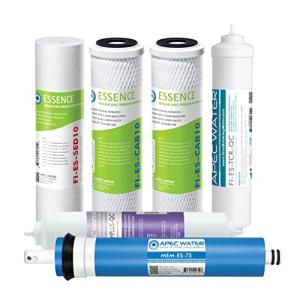
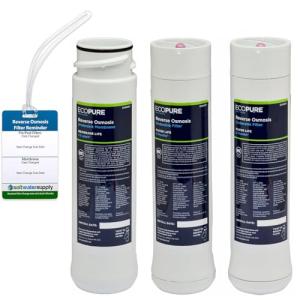
APEC 75 GPD Alkaline Filter Set
Apec Water
Product Review Score
4.84 out of 5 stars
146 reviews$99.99 $79.70
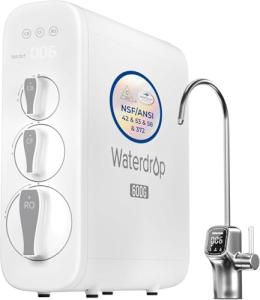
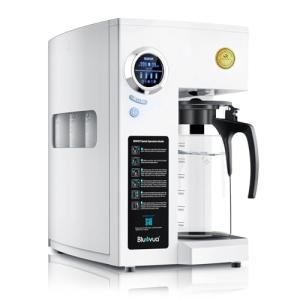
Waterdrop G3P600 RO Filter
Waterdrop
Product Review Score
4.12 out of 5 stars
79 reviews$539.00 $429.00
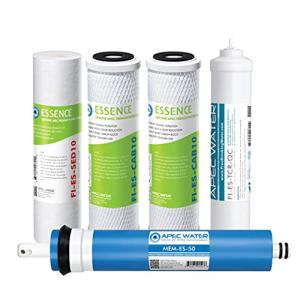
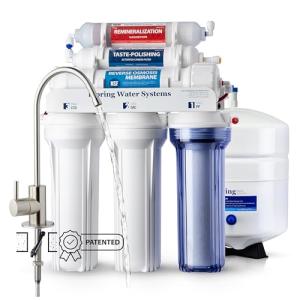
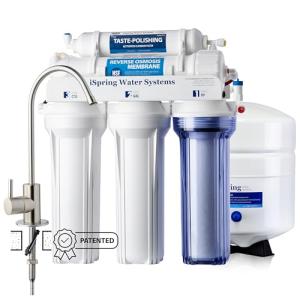
iSpring 6-Stage RO Filter
Ispring
Product Review Score
4.34 out of 5 stars
19 reviews$279.00 $198.77
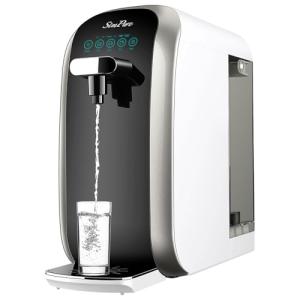
SimPure 5-Stage UV Filter
Simpure
Product Review Score
4.7 out of 5 stars
200 reviews$369.99 $246.99
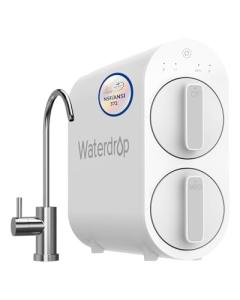
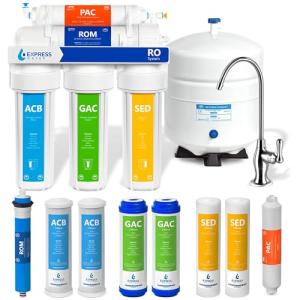
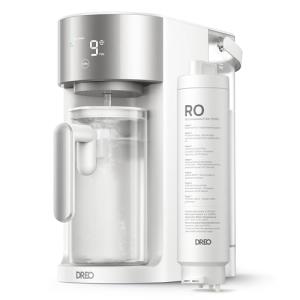
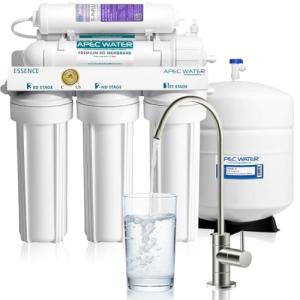
APEC 6-Stage Water Filter
Apec Water
Product Review Score
4.68 out of 5 stars
185 reviews$268.99 $206.00
What Is Reverse Osmosis and Why Does It Matter?
Reverse osmosis is a water purification process that uses pressure to force tap water through a semi-permeable membrane. The membrane acts like an ultra-fine sieve, allowing only water molecules to pass while blocking larger contaminants. It’s called “reverse” because it reverses the natural process of osmosis, where water moves from a less concentrated solution to a more concentrated one.
Unlike basic pitcher filters or faucet attachments that mainly reduce chlorine and sediment, RO systems tackle total dissolved solids (TDS), including lead, arsenic, fluoride, nitrates, pesticides, and even pharmaceutical residues. In many areas, municipal water meets safety standards but still contains trace elements that affect taste and long-term health. RO filters and systems strip water down to nearly pure H2O, giving you peace of mind every time you fill a glass, brew coffee, or cook pasta.
Today’s reverse osmosis systems are far more efficient and compact than the bulky industrial units of the past. Modern home RO filters fit neatly under your kitchen sink, produce water on demand, and include remineralization stages so your water doesn’t taste flat. For families concerned about water quality, investing in an RO system is like adding a personal water treatment plant right in your home.
How Reverse Osmosis Systems Actually Work
A typical reverse osmosis filter system is built in multiple stages, each targeting specific impurities for maximum effectiveness. Understanding these stages helps you appreciate why RO delivers superior results compared to single-filter solutions.
Stage 1 usually starts with a sediment pre-filter. This catches dirt, rust, sand, and large particles that would otherwise clog the delicate RO membrane. Without this first line of defense, your system wouldn’t last nearly as long.
Stage 2 and sometimes Stage 3 involve activated carbon filters. These remove chlorine, chloramines, volatile organic compounds (VOCs), and bad tastes or odors. Chlorine is especially tough on RO membranes, so carbon pre-filtration is essential for longevity.
The heart of every reverse osmosis system is Stage 4—the RO membrane itself. Here, water is forced through tiny pores (about 0.0001 microns) under pressure from a booster pump or your home’s water line. The membrane rejects 95-99% of dissolved salts, metals, and microorganisms. Waste water carrying the rejected contaminants flows out a separate drain line—more on that later.
Final stages (often 5, 6, or even 7 in premium models) include a post-carbon filter for polishing taste and, in advanced systems, a remineralization filter. This last step adds back healthy minerals like calcium and magnesium that the RO membrane removes, preventing that “flat” taste many people notice with basic RO water. Some systems also add an alkaline stage to raise pH for better hydration benefits.
After filtration, purified water flows into a pressurized storage tank, ready for instant dispensing through a dedicated faucet. The entire process is automatic, quiet, and incredibly reliable when properly maintained.
Key Benefits of Choosing RO Filters and Systems
The advantages of reverse osmosis water filters go far beyond just better taste. Here’s why millions of households have switched to RO technology:
First, exceptional contaminant removal. RO systems eliminate heavy metals (lead, mercury, cadmium), fluoride, nitrates from agricultural runoff, bacteria like E. coli, viruses, cysts, and microplastics. In an era where water quality reports make headlines, RO provides a powerful extra layer of protection.
Second, improved health and wellness. By removing harmful substances and adding back beneficial minerals in newer models, RO water supports better hydration, clearer skin, and fewer digestive issues for sensitive individuals. Many people report that their coffee, tea, and homemade soups taste noticeably better because there’s no chlorine or mineral interference.
Third, convenience and cost savings. Once installed, an RO system costs pennies per gallon compared to bottled water. A family of four can easily save hundreds of dollars a year while reducing plastic waste. No more lugging cases of bottled water or worrying about expiration dates.
Fourth, versatility. Whether you want an under-sink RO filter for drinking and cooking or a whole-house reverse osmosis system for every tap and shower, there’s a solution sized exactly for your needs. Portable countertop RO units even travel with you to apartments, RVs, or vacation homes.
Finally, peace of mind. With built-in TDS monitors on many modern systems, you can test water quality at the push of a button and know exactly how well your reverse osmosis filter is performing.
Different Types of Reverse Osmosis Filters and Systems
Not all RO setups are created equal. Understanding the main types helps you pick the perfect match for your lifestyle and budget.
Under-Sink RO Systems are the most popular for homes. They install discreetly beneath the kitchen sink and provide purified water through a separate faucet. These point-of-use reverse osmosis filters typically produce 50-100 gallons per day—more than enough for cooking, drinking, and ice makers. Installation is straightforward for DIYers or plumbers, and they waste less water than older models thanks to efficient membranes.
Countertop and Portable RO Filters are ideal for renters, apartments, or anyone wanting zero installation. These compact units sit on your counter, connect directly to the faucet, and deliver pure water instantly. Many include carrying handles and rechargeable pumps, making them perfect for travel or emergency preparedness kits.
Whole-House Reverse Osmosis Systems treat every drop entering your home. They’re larger, more expensive, and usually paired with pre-treatment and storage tanks because they handle high flow rates. While not as common for standard homes (due to water waste), they’re excellent for properties with severely contaminated well water or for families wanting purified water for showers, laundry, and appliances.
Commercial and Light Industrial RO Systems serve offices, restaurants, coffee shops, and small manufacturing facilities. These heavy-duty reverse osmosis filters produce hundreds or thousands of gallons daily and often include UV sterilization and automatic flush cycles for continuous operation.
Within each category you’ll find 3-stage, 5-stage, 6-stage, and even 7-stage reverse osmosis systems. More stages generally mean better contaminant removal and improved taste, but the sweet spot for most homes is a 5- or 6-stage unit with remineralization.
Essential Features to Look for in Modern RO Systems
When shopping for the best reverse osmosis water filter, focus on these game-changing features:
High-Rejection Membrane: Look for membranes rated at 98% or higher TDS rejection. Premium systems use Thin Film Composite (TFC) membranes that outperform older cellulose acetate types.
Low Waste Ratio: Traditional RO systems waste 3-4 gallons for every gallon produced. Newer high-efficiency models achieve 1:1 or even 1:0.5 ratios by recycling reject water or using advanced permeate pumps.
Remineralization and Alkaline Filters: These stages restore healthy minerals and balance pH, making water taste better and potentially more beneficial.
Smart Monitoring: Digital TDS meters, filter-life indicators, and app connectivity let you know exactly when to replace cartridges—no guessing.
Quick-Change Filters: Tool-free cartridge replacement saves time and mess compared to traditional screw-in housings.
NSF/ANSI Certification: Independent testing verifies that the system actually removes the contaminants it claims. Always check for certifications specific to your local water issues.
Booster Pump: If your home water pressure is below 40 PSI, a built-in pump ensures optimal membrane performance and faster production.
RO Filters vs. Other Water Filtration Methods
How does reverse osmosis stack up against carbon filters, UV purifiers, or water softeners? Each has strengths, but RO excels at comprehensive purification.
Carbon filters (like fridge or pitcher types) reduce chlorine and improve taste but leave dissolved solids, heavy metals, and microbes largely untouched. UV systems kill bacteria and viruses with light but do nothing for chemicals or minerals. Water softeners remove hardness (calcium and magnesium) but add sodium and still require additional filtration for drinking water.
Reverse osmosis systems combine the best of multiple technologies in one compact package. They handle what other filters cannot, making them the top choice when water quality is your primary concern.
How to Choose the Right Reverse Osmosis System for Your Home
Start by testing your water. A simple home TDS meter or professional lab test reveals exactly what’s in your supply and guides your decision. High TDS or specific contaminants like arsenic point toward a robust multi-stage RO filter.
Consider daily water needs. A family of four typically uses 4-8 gallons of drinking and cooking water per day, so a 75-100 GPD (gallons per day) system offers plenty of capacity with room to grow.
Budget plays a role too. Entry-level under-sink RO systems start around $150-250, while premium smart models with remineralization and low-waste tech run $400-800. Whole-house systems are a bigger investment but pay off in long-term convenience.
Don’t forget space and installation. Measure under your sink before ordering. Many manufacturers now offer free professional installation or detailed video guides.
Finally, think about long-term costs. Replacement filters for a standard 5-stage RO system cost $50-100 per year—far less than bottled water and worth every penny for the purity they deliver.
Installation, Maintenance, and Longevity of RO Filters
Most under-sink reverse osmosis systems install in under two hours with basic plumbing tools. You’ll need to connect feed water, drain lines, and the dedicated faucet. Once running, flush the system for 30-60 minutes to clear manufacturing preservatives.
Maintenance is simple and predictable. Pre-filters and carbon filters typically last 6-12 months. The RO membrane lasts 2-5 years depending on your water quality and usage. Many systems include color-coded cartridges and push-button releases so anyone can swap them.
Monitor TDS levels monthly. A sudden jump signals it’s time for new filters. Annual sanitization with a mild solution keeps the storage tank fresh and prevents biofilm buildup.
With proper care, a quality reverse osmosis system lasts 10-15 years or more. That’s years of ultra-pure water at a fraction of the cost of alternatives.
Real-World Applications Beyond the Kitchen
Reverse osmosis filters shine in more places than just drinking water. Homebrewers and coffee enthusiasts use RO water for consistent flavor extraction. Aquarium hobbyists rely on it to create perfect water chemistry without harmful tap additives. Medical patients on dialysis or those with compromised immune systems often install dedicated RO systems for absolute safety.
Restaurants, salons, and car washes use commercial RO for spot-free rinsing and better product performance. Even plant growers and hydroponic gardeners love RO water because it lets them precisely control nutrients without mineral interference.
Eco-Friendly Advances in Reverse Osmosis Technology
Modern RO systems have addressed the traditional downside of water waste. Today’s high-recovery membranes and permeate pumps dramatically reduce reject water. Some models even recapture and reuse wastewater for plants or toilets. When paired with energy-efficient pumps and recyclable filter housings, reverse osmosis becomes a surprisingly sustainable choice compared to the environmental footprint of bottled water.
Is an RO System Right for You?
Reverse osmosis filters and systems represent one of the smartest investments you can make in your family’s health and daily comfort. They deliver consistently pure, great-tasting water while protecting appliances, improving recipes, and reducing reliance on plastic bottles. Whether you choose a compact under-sink RO filter or a full-house system, you’re giving yourself and your loved ones access to water quality that rivals premium bottled brands—at home, every single day.
Ready to upgrade your water? Explore the latest reverse osmosis filters and systems designed for every budget and need. Pure water isn’t a luxury anymore—it’s an easy, affordable reality with the right RO technology.