Ceiling fan filters are a game changer for keeping your home fresh and clean. They catch dust, pollen, and pet hair before it blows around your space, making your air feel so much better. If you want to breathe easier and reduce allergens, these filters are a must-have for your ceiling fans.
Ceiling Fan Filters
Keep your ceiling fan fresh and clean with our high-quality filters
Product List
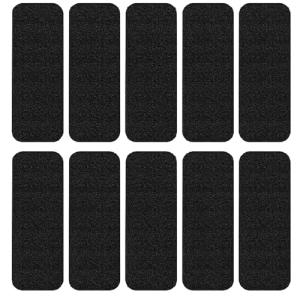
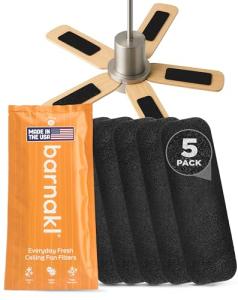
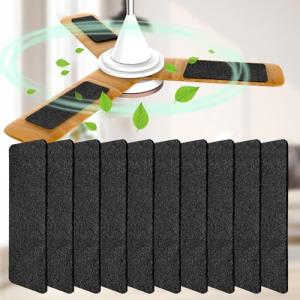
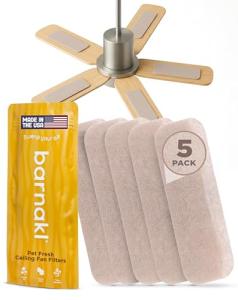
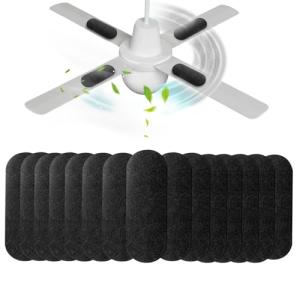
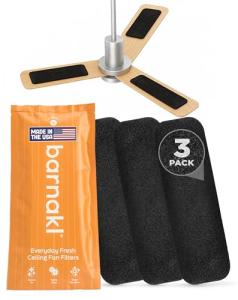
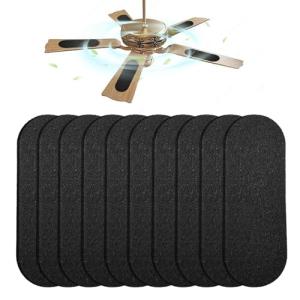
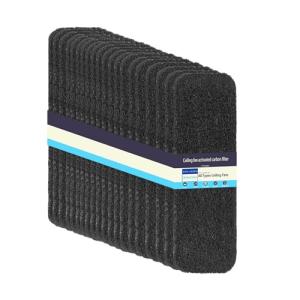
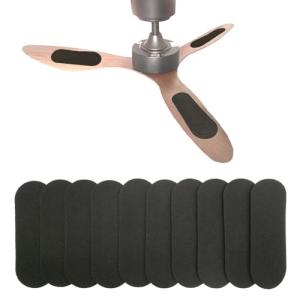
Activated Charcoal Fan Filters 10 Pack
Product Review Score
4.64 out of 5 stars
153 reviews$13.99 $9.99
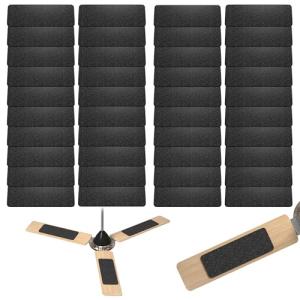
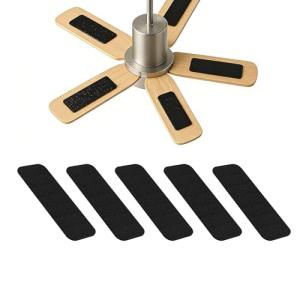
Universal Ceiling Fan Filters 5-Pack
Product Review Score
4.63 out of 5 stars
79 reviews$9.99 $9.49
What Exactly Are Ceiling Fan Filters?
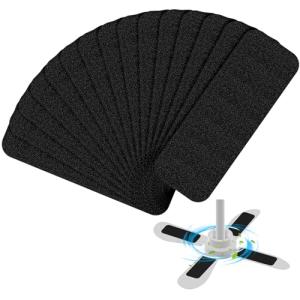
Ceiling fan filters are innovative adhesive pads designed specifically to attach to the top surface of your ceiling fan blades. Made primarily from activated coconut shell carbon or advanced filtration materials, they act like tiny air scrubbers that ride along with every rotation of your fan. Unlike traditional air filters that sit in a standalone unit, these work with the natural airflow your ceiling fan already creates.
Most ceiling fan filters come in packs sized for standard 4- or 5-blade fans. They're lightweight, low-profile, and engineered not to interfere with the fan's balance or performance. Popular options feature activated coconut shell carbon because it's highly porous and excellent at trapping a wide range of airborne contaminants. Some premium versions combine carbon with zeolite or other natural absorbers for even better odor and VOC control.
These aren't just dust collectors for the blades themselves. As your fan spins, it pulls room air across the filters, forcing particles to stick instead of settling on your furniture, floors, or lungs. It's a genius hack that repurposes something you already own and use daily.
How Do Ceiling Fan Filters Actually Work?
The science is straightforward yet incredibly effective. Your ceiling fan already circulates massive volumes of air throughout a room—far more than most portable air purifiers. When you add ceiling fan filters to the blades, that moving air gets pushed directly through or over the filtration media.
Activated carbon in these filters works through adsorption. Tiny pores in the carbon grab onto molecules of odors, volatile organic compounds (VOCs), smoke, and chemicals like a magnet. At the same time, the filter's fibrous structure physically traps larger particles like dust, pollen, pet hair, and mold spores. The constant motion means fresh air keeps flowing across the filters, maximizing contact time without restricting the fan's natural breeze.
Research into fluid dynamics on ceiling fan blades shows that even with the open airflow design, these filters can achieve meaningful clean air delivery rates. Higher fan speeds naturally increase effectiveness because more air moves through the media. And because the filters sit right in the middle of the room's circulation pattern, they help break up stagnant air pockets that traditional purifiers might miss in large or high-ceiling spaces.
Unlike box fans or HVAC filters that force air through dense media at high pressure, ceiling fan filters use low-resistance materials optimized for the gentler airflow of a spinning blade. This balance keeps your fan running smoothly while still delivering impressive purification.
The Top Benefits of Using Ceiling Fan Air Filters
The advantages go way beyond basic dust control. Here’s why homeowners can’t stop raving about ceiling fan filters:
- Improved Indoor Air Quality All Day Long: Your fan runs naturally for comfort, so purification happens continuously without you thinking about it.
- Allergy and Asthma Relief: Reduced pollen, dust mites, and pet dander mean fewer sneezes, itchy eyes, and respiratory irritation—especially noticeable during high-pollen seasons.
- Odor Elimination: Cooking smells, pet odors, smoke, and musty basement air get neutralized fast thanks to the carbon's adsorption power.
- Less House Dust: Many users report dramatically less dust settling on shelves and tabletops because particles get caught before they land.
- Energy Efficient and Silent: Zero extra power draw and no motor noise. Your existing fan does all the work.
- Pet-Friendly Homes: Perfect for multi-pet households. Filters catch hair and dander before it spreads everywhere.
- Better Sleep Environment: Cleaner bedroom air often leads to deeper, more restful sleep.
- Cost-Effective Long Term: A pack of filters costs far less than running a dedicated air purifier for months.
People with mold concerns or living in humid climates particularly appreciate how these filters help reduce airborne spores and moisture-related particles. Families in urban areas love the extra defense against outdoor pollutants that sneak inside through windows and doors.
Different Types of Ceiling Fan Filters: Which One Is Right for You?
Not all ceiling fan filters are created equal. Here’s a quick breakdown of the main varieties you’ll find:
Activated Coconut Shell Carbon Filters
The most popular choice. Coconut shell carbon is sustainable, highly effective, and naturally odorless. These excel at trapping odors, VOCs, and a broad spectrum of particles. Many brands offer unscented versions that won’t release any fragrance into your home.
Zeolite-Enhanced Filters
Premium options combine coconut carbon with natural zeolite minerals. Zeolite adds extra power against ammonia odors and certain gases, making them ideal for homes with litter boxes, smokers, or strong cooking smells.
Reusable vs. Disposable
Some filters are designed for easy removal, gentle cleaning, and reapplication. Others are single-use and meant for simple replacement every few months. Reusable styles can save money over time but require a bit more maintenance.
Universal Fit vs. Brand-Specific
Most are sized to work with standard ceiling fans from any manufacturer. Look for flexible, trim-to-fit options if your blades are unusually shaped.
When shopping, consider your primary concerns—allergies, odors, or heavy dust—and match the filter material accordingly.
Ceiling Fan Filters vs. Traditional Air Purifiers: A Honest Comparison
Standalone air purifiers with HEPA and carbon filters do an excellent job, especially in small rooms. But ceiling fan filters win in several key areas for everyday home use:
- Coverage: Ceiling fans naturally circulate air in large, open spaces and high ceilings where floor units struggle.
- Noise and Energy: Purifiers need constant power and often produce white noise. Filters add zero sound or cost to your electric bill.
- Visibility and Space: No extra appliance taking up floor space or clashing with your decor.
- Maintenance Simplicity: Changing blade filters takes seconds compared to hauling out and cleaning a full purifier unit.
Many smart homeowners use both together. Run your ceiling fan filters daily and add a HEPA purifier in bedrooms or high-traffic areas for maximum protection. The combination leverages the strengths of each system beautifully.
How to Choose the Best Ceiling Fan Filters for Your Home
Selecting the right filters is easier than you might think. Start by measuring your fan blades to ensure a good fit. Consider the number of blades and their width—most packs include enough for 4-5 blades with extras.
Think about your household’s specific needs. Allergy sufferers should prioritize fine-particle capture. Homes with pets or smokers benefit from strong carbon content. For general dust control in a standard living room or bedroom, basic coconut carbon pads work wonders.
Check for features like easy-peel adhesives that won’t damage blades or leave residue. Odorless formulas are ideal for bedrooms. Some brands even offer multi-packs with replacement schedules printed right on the packaging.
Read user reviews focusing on real results: weight gain on used filters (proving they’re trapping stuff), reduced dusting frequency, and noticeable freshness in the air.
Simple Step-by-Step Installation Guide
Installing ceiling fan filters couldn’t be easier—most people do it in under five minutes. Here’s how:
- Turn off and safely lower your fan if needed. Make sure it’s completely stopped and cool.
- Wipe down the top surface of each blade with a dry or slightly damp cloth to remove existing dust. Dry completely.
- Peel the backing off one filter pad.
- Align the pad on the top of the blade (the side facing the ceiling when the fan is off). Press firmly along the edges for a secure bond. The sticky side should face upward into the airflow.
- Repeat for every blade.
- Turn the fan back on and enjoy the difference!
Pro tip: Install on a stable ladder or use a fan blade duster tool for hard-to-reach fans. The adhesive is strong enough to stay put through normal operation but removes cleanly when it’s time to replace.
Maintenance Tips to Keep Your Filters Working Their Best
Like any air filter, ceiling fan filters need periodic attention to stay effective. Most manufacturers recommend replacement every 3 to 6 months, depending on your home’s air quality and how often you run the fan. Homes with pets, smokers, or high dust levels may need changes closer to the 3-month mark.
Some reusable styles let you peel the pads off, rinse gently with water, air dry, and re-stick. Always check the specific product instructions. For disposable versions, simply remove the old pads and stick on fresh ones.
While the filters are doing their job, you’ll still want to give your fan a light dusting every couple of months. Many users weigh their filters before and after use as a fun way to see exactly how much they’ve captured—sometimes adding several grams of gunk in just weeks!
Store extra filters in a cool, dry place away from direct sunlight to preserve their effectiveness until you need them.
Ceiling Fan Filters for Every Room and Lifestyle
Bedrooms benefit hugely from overnight purification while you sleep. Kitchens capture cooking odors and grease particles before they spread. Living rooms with high traffic and pets stay fresher longer. Even home offices and kids’ rooms see reduced allergens and better focus from cleaner air.
Renters love them because they’re completely removable and don’t require any permanent changes. Parents appreciate the passive protection for little ones with developing lungs. Elderly family members or anyone with respiratory sensitivities often notice the biggest difference in comfort.
Seasonal tips: Swap in fresh filters before allergy season or after holiday gatherings when indoor air gets extra polluted from cooking and guests.
Frequently Asked Questions About Ceiling Fan Filters
Do ceiling fan filters really make a difference? Yes—users consistently report less dust, fewer allergy symptoms, and fresher-smelling rooms within days of installation.
Will they slow down my fan or make it wobble? Quality filters are designed to be ultra-lightweight and balanced. They won’t affect performance on properly installed fans.
Are they safe for all ceiling fans? Absolutely. They work on standard residential models, including those with lights or pull chains.
Can I use them with smart or DC motor fans? Yes—the filters don’t interfere with any fan type or control system.
How do I know when to replace them? Look for visible dirt buildup, reduced effectiveness (more dust settling), or simply follow the 3-6 month schedule.
Ready to Upgrade Your Indoor Air?
Ceiling fan filters represent one of the smartest, simplest home improvements you can make today. They’re affordable, invisible once installed, and deliver ongoing benefits that improve your family’s health and comfort every single day. Whether you’re dealing with stubborn dust, seasonal allergies, or just want to take your home’s air quality to the next level, these filters deliver results without the hassle.
Start small with one room and watch how quickly you notice the difference. Many people end up adding them to every fan in the house because the results are that good. Your ceiling fans are already working hard—why not let them work smarter too?
Breathe easier, dust less, and enjoy a fresher home with ceiling fan filters. Your lungs (and your cleaning schedule) will thank you.