What Are Pleated Air Filters?
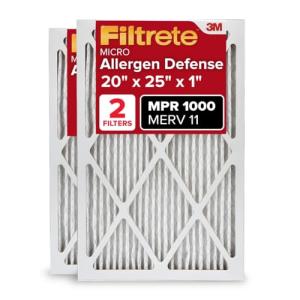
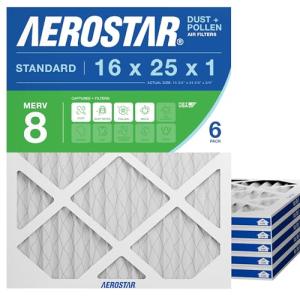
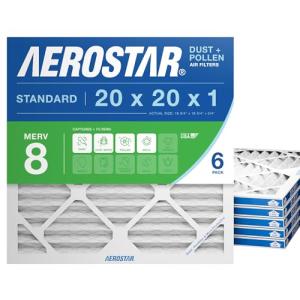
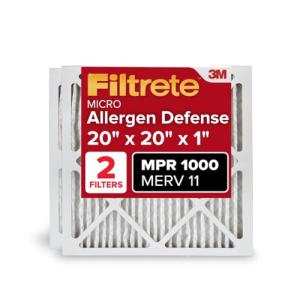
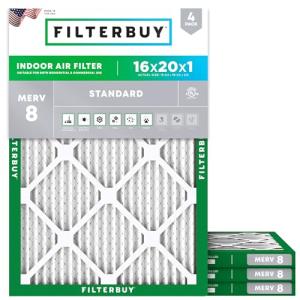
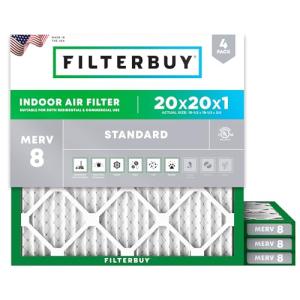
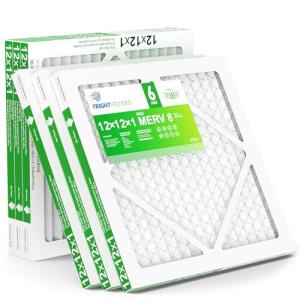
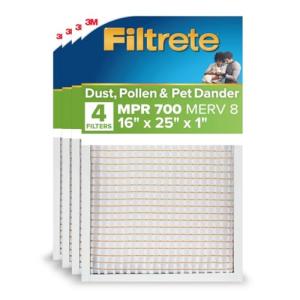
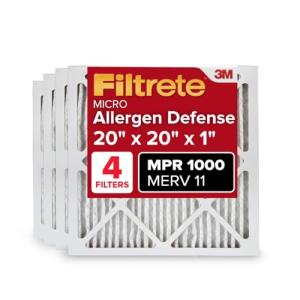
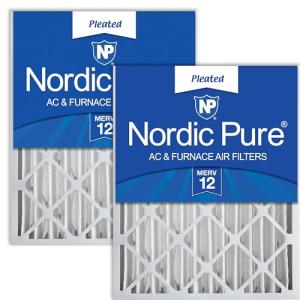
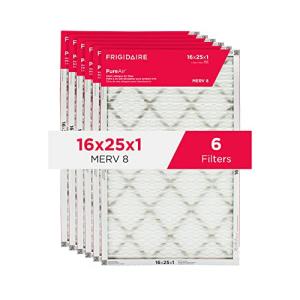
Pleated air filters are advanced HVAC filters featuring a folded, zigzag media that dramatically increases the amount of filter material packed into a standard frame size. Instead of a single flat sheet, the pleats create dozens of peaks and valleys, giving the filter up to five times more surface area. This design lets the filter capture dust, pollen, pet dander, mold spores, and even some bacteria without quickly clogging up.
Most pleated air filters come in standard sizes that fit right into residential furnaces, central air handlers, or commercial rooftop units. The frame is usually made from sturdy cardboard, metal, or plastic to hold the pleats in place and create a tight seal inside your system. The filter media itself is often a blend of synthetic fibers or high-loft fiberglass that’s electrostatically charged to attract and hold particles like a magnet.
People love pleated air filters because they strike the perfect balance between powerful filtration and easy airflow. You get cleaner air throughout your entire home or building without making your blower motor work overtime. Whether you need pleated furnace filters for a gas or electric system or pleated AC filters for summer cooling, these filters are built to handle year-round use.
How Do Pleated Air Filters Work?
The magic of pleated air filters starts with surface area. When air is pulled through your HVAC system, it passes over the pleated media. The folds slow the air down just enough for particles to collide with the fibers, but not so much that pressure builds up and strains your equipment.
Three things happen inside every pleated filter: mechanical filtration, electrostatic attraction, and impaction. Larger particles like dust and lint get physically trapped between the fibers. Smaller particles such as pollen and smoke are drawn in by the electrostatic charge on the synthetic media. Over time, the pleats fill gradually from the back to the front, which is why these filters last longer than flat ones.
Because the pleats create more real estate for dirt to collect, the filter maintains lower airflow resistance even as it loads up. That means consistent comfort, quieter operation, and less wear on your HVAC components. High-efficiency pleated air filters can even help your system reach its designed efficiency rating instead of dragging it down like cheap filters do.
Top Benefits of Using Pleated Air Filters
The biggest win with pleated air filters is noticeably cleaner indoor air. Families with allergies or asthma often report fewer symptoms after switching because these filters capture up to 90% of common airborne particles. Pet owners appreciate how quickly dander and hair get trapped before they spread through the house.
Energy savings are another huge perk. A clean pleated HVAC filter lets your system move air more efficiently, which can lower monthly bills by reducing the workload on the blower motor. Many users see their systems run less often while still keeping rooms at the perfect temperature.
Pleated air filters also protect your expensive HVAC equipment. By stopping dust and debris before it reaches the coils, blower, and heat exchanger, you avoid costly repairs and extend the life of your furnace or air conditioner. Technicians often say that regular use of quality pleated filters is one of the best maintenance habits you can develop.
Longer service life means fewer trips to the store. While basic fiberglass filters need changing every 30 days, most pleated air filters last 60 to 90 days depending on your home’s dust levels and how many pets you have. That convenience adds up fast.
Understanding MERV Ratings for Pleated Filters
MERV stands for Minimum Efficiency Reporting Value and it’s the industry standard for measuring how well an air filter performs. Pleated air filters typically range from MERV 8 to MERV 13 for residential and light commercial use. The higher the number, the finer the particles the filter can catch.
A MERV 8 pleated filter is great for basic dust and pollen control in most homes. Step up to MERV 11 or 12 and you start catching smoke, pet dander, and even some mold spores—ideal if anyone in the house has allergies. MERV 13 pleated air filters offer hospital-grade performance for people who need the cleanest air possible without going full HEPA.
Important tip: always match the MERV rating to your system’s capabilities. Higher MERV filters have denser media, so installing one that’s too high can restrict airflow and cause your system to overheat. Check your manufacturer’s recommendations or ask your HVAC technician for the sweet spot.
Different Types of Pleated Air Filters Available
You’ll find pleated air filters in several categories to match every need. Standard pleated filters use synthetic or fiberglass media and come in 1-inch, 2-inch, 4-inch, and even 5-inch depths. Thicker filters generally hold more dust and last longer.
Electrostatic pleated filters carry a permanent charge that helps snag tiny particles without needing higher airflow resistance. Carbon-infused pleated air filters add an activated charcoal layer to neutralize odors from cooking, pets, or smoke—perfect for kitchens or homes with smokers.
Specialty options include antimicrobial pleated filters that inhibit mold growth on the media itself and high-capacity pleated filters designed for high-dust environments like workshops or homes with multiple pets. No matter your situation, there’s a pleated HVAC filter built for it.
Pleated Air Filters vs. Fiberglass and Flat Filters
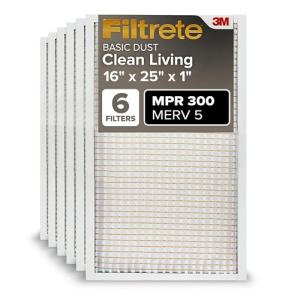
Traditional fiberglass flat filters are cheap and easy, but they only catch the largest particles and let everything else blow right through. They need monthly replacement and do almost nothing for allergies or indoor air quality.
Pleated air filters outperform flat filters in every meaningful way. The increased surface area means they capture far more contaminants while maintaining excellent airflow. You change them less often, your air stays cleaner, and your HVAC system works more efficiently.
Many people who switch from basic flat filters to pleated ones notice the difference within days—less dust on surfaces, fewer allergy flare-ups, and quieter system operation. The small extra cost upfront pays for itself quickly through longer filter life and energy savings.
How to Choose the Right Pleated Air Filter for Your Home
Start by measuring the filter slot in your return air grille or air handler. Common sizes include 16x20, 20x25, and 14x25, but always double-check because even an inch off can cause air leaks.
Next, consider your household. If allergies or asthma are an issue, look for MERV 11 or higher pleated air filters for allergies. Homes with pets usually need at least MERV 10 to handle the extra dander and hair. For standard homes without special concerns, MERV 8 offers excellent everyday protection.
Think about your lifestyle too. Busy families or people who travel often appreciate longer-lasting 4-inch or 5-inch pleated filters so they don’t have to change them as often. Always buy from reputable brands that list exact MERV ratings and dust-holding capacity so you know you’re getting true performance.
Installation and Maintenance Tips for Pleated Air Filters
Replacing a pleated air filter is one of the easiest DIY jobs around. Turn off your HVAC system, open the filter compartment, slide out the old filter, and drop the new one in with the airflow arrow pointing toward the blower. Make sure it seats properly so no air sneaks around the edges.
Check your filter every 30 days at first to see how quickly it loads up in your specific environment. Once you know the pattern, you can stretch changes to 60-90 days for most pleated filters. Mark your calendar or set a phone reminder so you never forget.
Pro tip: keep a spare box of pleated furnace filters on hand so you’re never stuck with a dirty one when you need fresh air. Vacuum the surrounding area while the compartment is open to remove any loose debris that could get pulled into the new filter.
Applications: Homes, Offices, and Commercial Spaces
In residential settings, pleated air filters keep living rooms, bedrooms, and basements free of allergens and dust. They’re especially popular in newer energy-efficient homes where airtight construction can trap indoor pollutants.
Offices and small businesses use pleated HVAC filters to maintain healthy air for employees and customers while protecting sensitive electronics from dust buildup. Restaurants and salons love the odor-control versions to keep smells from spreading.
Larger commercial buildings rely on pleated filters in their rooftop units and air handlers because the filters handle high volumes of air without creating excessive pressure drop. Hospitals, schools, and data centers often choose higher MERV pleated air filters to meet strict indoor air quality standards.
Health and Energy Efficiency Advantages
Cleaner air means fewer respiratory issues, better sleep, and an overall healthier home environment. Pleated air filters remove many of the triggers that cause seasonal allergies, so you can enjoy spring without constant sneezing or itchy eyes.
From an efficiency standpoint, a properly sized pleated filter helps your HVAC system run at peak performance. That translates to lower electricity and gas bills, reduced carbon footprint, and less strain on aging equipment. Many homeowners report noticeable savings within the first month of consistent use.
Frequently Asked Questions About Pleated Air Filters
How often should I change my pleated air filter? Most people get 60-90 days of use from a quality pleated filter, but dusty homes or those with pets may need changes every 45 days.
Can I wash and reuse pleated air filters? No. Pleated filters are designed for one-time use. Washing them damages the media and reduces efficiency dramatically.
Will a higher MERV filter damage my HVAC system? Only if your system wasn’t designed for it. Most modern furnaces and air handlers handle MERV 13 without issue, but always confirm with your manual or technician.
Are pleated air filters worth the extra cost? Absolutely. The improved air quality, longer lifespan, and energy savings more than make up for the slightly higher price compared to basic filters.
Do pleated filters help with smoke or wildfire season? Yes, especially MERV 11 and above. They capture a good percentage of fine smoke particles and help protect your lungs and your equipment during poor air quality days.
Why Pleated Air Filters Are the Best Investment for Your Indoor Air
Switching to pleated air filters is one of those small changes that delivers big results. You’ll enjoy fresher air, lower energy bills, a longer-lasting HVAC system, and peace of mind knowing you’re doing right by your family’s health. Whether you need standard pleated furnace filters or premium high-efficiency pleated air filters for allergies, the options available today make it easy to find the perfect fit.
Take a moment right now to check the size and current condition of your filter. A quick upgrade to pleated air filters could be the easiest home improvement you make all year. Your lungs, your wallet, and your HVAC system will thank you.