Keeping your aquarium clean and healthy is super important, and a good filter makes all the difference. Whether you have a freshwater tank or a saltwater setup, there’s a filter that’ll fit your needs perfectly. Browse our selection to find one that keeps your water crystal clear and your fish happy!
Aquarium Filters
Keep your aquatic friends happy and healthy with the right aquarium filters for every tank size
Product List
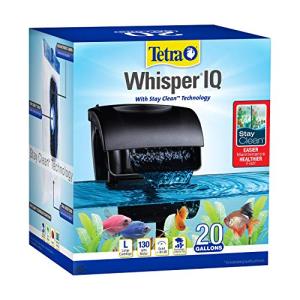
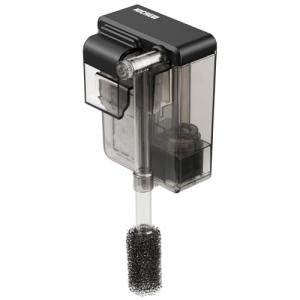
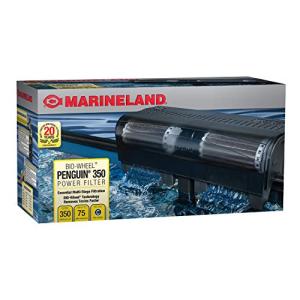
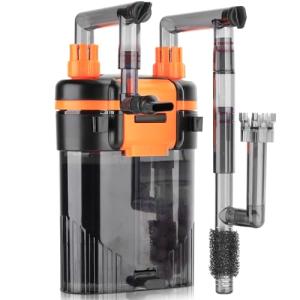
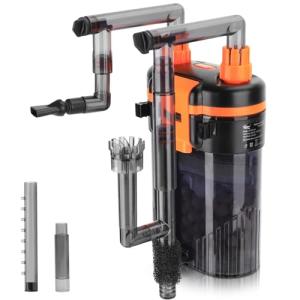
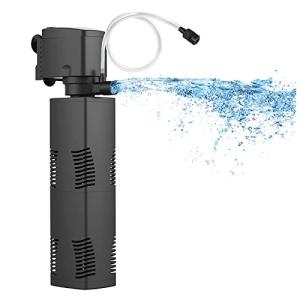
TARARIUM 4-in-1 Aquarium Filter for 55-150 Ga...
Product Review Score
4.46 out of 5 stars
138 reviews$29.99
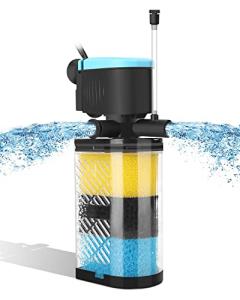
AquaMiracle 3-Stage In-Tank Aquarium Filter
Product Review Score
4.95 out of 5 stars
90 reviews$19.99 $17.99
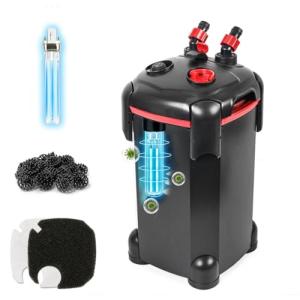
PONDFORSE Canister Filter, External Aquarium...
Product Review Score
4.21 out of 5 stars
23 reviews$73.99 $66.59
Why Aquarium Filters Matter More Than You Think
Imagine dropping a handful of food into your tank and watching it break down over days. Fish waste, uneaten food, decaying plants—everything adds up fast. Without proper aquarium filters, toxic ammonia builds up quickly from these organic materials. Ammonia is invisible but deadly; even low levels can stress fish, damage their gills, and lead to disease outbreaks. That’s where quality fish tank filters step in as the silent guardians of your aquarium’s ecosystem.
A good filter doesn’t just clean the water—it supports the entire nitrogen cycle that keeps everything balanced. Beneficial bacteria colonies live inside the filter media and convert harmful ammonia into nitrite, then into less toxic nitrate. Nitrates can then be removed through regular water changes or absorbed by live plants. Without this biological process happening efficiently, your tank becomes a toxic soup almost overnight. Many new aquarists learn this lesson the hard way when their first fish don’t make it past the first couple of weeks.
Beyond health, aquarium filters improve water clarity dramatically. Mechanical filtration traps floating particles, debris, and uneaten food so your tank looks sparkling instead of cloudy. In planted aquariums, gentle water movement from the filter helps distribute nutrients and CO2 evenly, encouraging lush growth. Saltwater reef keepers rely on powerful fish tank filters to keep parameters stable and remove excess organics that could fuel unwanted algae. Simply put, investing in the best aquarium filters saves time, money, and heartache while letting you enjoy your hobby instead of constantly fighting water quality issues.
How Aquarium Filters Work: The Three Essential Stages of Filtration
Every effective aquarium filter system relies on three main stages working together: mechanical, biological, and chemical filtration. Understanding these helps you choose and maintain your setup like a pro.
Mechanical filtration is the first line of defense. It physically traps larger particles like fish poop, leftover food, and plant bits using sponges, filter floss, or filter pads. This stage keeps the water visibly clear and prevents debris from breaking down into more waste. Most filters have coarse and fine mechanical media layers so bigger stuff gets caught first, then finer particles follow.
Biological filtration is where the magic of the nitrogen cycle happens. This stage provides massive surface area for beneficial bacteria to colonize. Porous materials like ceramic rings, bio balls, lava rock, or even the sponge itself become home to millions of these microscopic helpers. Once established, these bacteria convert ammonia to nitrite and nitrite to nitrate around the clock. Biological filtration is the most important long-term stage—once it’s mature, it’s what truly stabilizes your tank.
Chemical filtration uses specialized media like activated carbon, zeolite, or phosphate-removing resins to absorb dissolved impurities, odors, medications, and heavy metals that mechanical and biological stages can’t touch. Carbon is especially popular for polishing water and removing tannins that can yellow the water in tanks with driftwood. Chemical media usually needs periodic replacement because it eventually becomes saturated, unlike biological media which you want to preserve at all costs.
Many modern aquarium filters combine all three stages into one convenient unit, but advanced hobbyists often customize their setups for maximum efficiency. The key is making sure water passes through each stage in the right order—mechanical first, then biological, then chemical.
Popular Types of Aquarium Filters: Which One Is Right for You?
Sponge Filters: Gentle Powerhouses for Small Tanks and Breeding
Sponge filters are simple, affordable, and incredibly effective at biological filtration. An air pump pushes air through a tube, creating water flow that pulls debris into the porous sponge. They’re gentle enough for baby fish, shrimp, and bettas that don’t like strong currents. Pros include low cost, quiet operation, and excellent surface area for bacteria. Cons are limited mechanical filtration and the fact that they sit inside the tank, which some people find less attractive. Perfect for nano tanks, fry tanks, or as supplemental filtration in larger setups.
Hang-On-Back (HOB) Filters: Beginner-Friendly Favorites
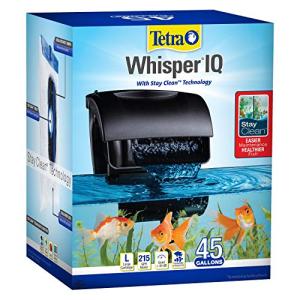
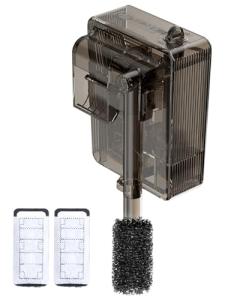
Hang-on-back filters, also called power filters, are the most popular choice for beginners and mid-sized tanks up to about 55 gallons. They clip onto the back of the tank and pump water up and over media baskets before returning it as a waterfall that adds oxygen. They’re easy to maintain, offer decent all-in-one filtration, and are budget-friendly. Many come with adjustable flow rates and multiple media slots. Downsides include visible equipment and sometimes noisier operation if the impeller gets dirty. Still, for most hobbyists, HOB aquarium filters strike the perfect balance of performance and convenience.
Canister Filters: High-Performance Options for Larger Tanks
Canister filters are sealed units that sit below the tank and use powerful pumps to force water through large volumes of media. They offer superior capacity for mechanical, biological, and chemical filtration, making them ideal for heavily stocked tanks or those with high bioloads. Canister filters run quietly and stay hidden, giving you a cleaner look. They’re customizable—you can stack whatever media you want. The trade-off is higher upfront cost and more involved maintenance since you have to disconnect hoses to clean them. For anyone serious about a 40-gallon or larger tank, the best canister filters often become the go-to choice.
Internal Filters and Other Specialized Systems
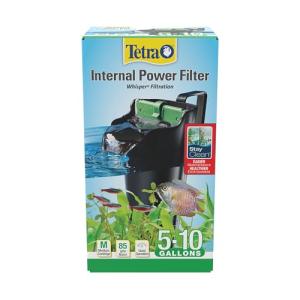
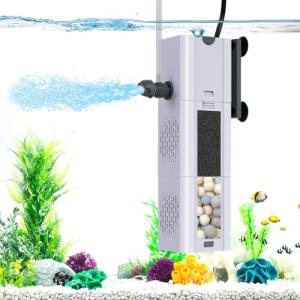
Internal power filters tuck completely inside the tank and work well for smaller aquariums where space outside is limited. They’re compact and effective but can take up valuable swimming space. Sump systems and wet/dry filters are the choice for advanced saltwater and large freshwater setups. These use a separate sump chamber below the tank for massive filtration capacity and easy maintenance. Undergravel filters are an older style that pulls water through the substrate but have fallen out of favor because they can trap debris in the gravel.
How to Choose the Right Aquarium Filter for Your Tank
Selecting the best aquarium filters starts with knowing your tank size and stocking level. A good rule of thumb is to choose a filter rated for at least four times your tank’s water volume per hour—ideally six to ten times for heavily stocked or heavily planted tanks. For example, a 20-gallon tank needs a filter that moves at least 80-200 gallons per hour (GPH). Always check the actual GPH rating rather than just the “up to X gallons” label on the box.
Consider your fish species too. Bettas and other slow-moving fish prefer gentle flow, while fast river fish like danios love stronger currents. Planted tanks often do better with moderate flow that doesn’t uproot delicate stems. Saltwater reef tanks usually need higher turnover to keep corals happy and nutrients low. Budget, noise level, and how much maintenance you’re willing to do also play big roles. Beginners often start with reliable HOB aquarium filters, while experienced keepers upgrade to canister systems as their tanks grow.
Don’t forget energy efficiency and features like self-priming pumps, adjustable flow valves, and easy-access media baskets. Look for filters that let you customize media and that come with good warranties. Reading reviews from real aquarists about long-term reliability is always smart.
Setting Up and Installing Your New Aquarium Filter
Installation is usually straightforward but critical for success. Rinse all media in dechlorinated water before adding it—never use tap water that could kill beneficial bacteria later. For HOB filters, position the intake tube away from the substrate to avoid sucking up sand. Canister filters need proper priming to avoid air locks. Always run the filter 24/7 once your tank is cycling so bacteria colonies stay healthy.
Many new hobbyists make the mistake of adding fish too quickly before the filter has time to mature. Patience pays off—give your biological filtration at least four to six weeks to establish with a fishless cycle using ammonia sources.
Aquarium Filter Maintenance: Keep It Running Like New
Regular maintenance is the secret to long-lasting performance. Check your filter weekly for reduced flow or unusual noises. The golden rule: never rinse biological media under tap water or replace it all at once. Always use old tank water from water changes to rinse sponges and bio media gently. This preserves the beneficial bacteria that took weeks to grow. Mechanical pads and floss can be replaced more often when they get clogged. Chemical media like carbon should be swapped every four to six weeks depending on your tank’s needs.
Clean the impeller and intake tube regularly to prevent strange noises or loss of flow. For canister filters, have a maintenance schedule—every month or two depending on bioload. With proper care, a quality filter can last five to ten years or more.
Common Mistakes to Avoid with Fish Tank Filters
Over-cleaning the filter is probably the biggest rookie error—it wipes out the biological filtration you worked so hard to build. Running the filter too small for your tank size is another frequent issue that leads to poor water quality. Ignoring reduced flow until it’s too late can cause crashes. Always have a spare impeller on hand because they wear out eventually.
Aquarium Filters for Different Setups: Freshwater, Saltwater, and Planted Tanks
Freshwater community tanks often do great with versatile HOB or canister aquarium filters. Planted aquariums benefit from gentle flow that doesn’t disturb substrate or uproot plants—sponge filters or low-flow canisters shine here. Saltwater reef systems usually demand powerful canister or sump filtration to handle heavy bioloads and keep nutrients in check. Nano tanks (under 10 gallons) love compact internal or sponge filters that don’t overpower the small volume.
Modern Innovations in Aquarium Filtration
Today’s best aquarium filters include smart features like app-controlled flow rates, built-in UV sterilizers to fight algae and pathogens, and self-cleaning mechanisms. Energy-efficient motors use less electricity while delivering powerful performance. Some systems even integrate automatic top-off and dosing for ultra-low maintenance reef keeping. The future of fish tank filters is smarter, quieter, and more customizable than ever.
Frequently Asked Questions About Aquarium Filters
How often should I clean my aquarium filter? Check weekly and do light maintenance monthly, with deeper cleans every one to three months depending on your stocking level.
Can I run two filters on one tank? Absolutely—many aquarists use a primary filter plus a sponge filter for extra biological capacity and redundancy.
Do I need chemical filtration in every setup? Not always. Many tanks run beautifully on mechanical and biological stages alone unless you have specific issues like odors or medications to remove.
What size filter do I need for a 55-gallon tank? Look for at least 220-550 GPH turnover, so a filter rated for 75-100 gallons or more usually works well.
Are canister filters worth the extra cost? For larger or heavily stocked tanks, yes—they offer better long-term performance and flexibility.
Ready to Upgrade Your Aquarium Filtration?
Now that you understand the ins and outs of aquarium filters, you’re ready to find the perfect match for your tank. Browse our full selection of aquarium filters—from affordable HOB models perfect for beginners to high-capacity canister systems built for serious aquarists. We carry trusted brands with proven reliability, replacement parts, and media to keep your system running smoothly for years. Whether you need a simple sponge filter for a betta tank or a powerful sump setup for your dream reef, you’ll find options that fit your budget and goals right here.
Don’t let poor water quality hold back the beauty of your aquarium. Invest in quality fish tank filters today and enjoy healthier fish, clearer water, and more time simply admiring your thriving underwater world. Have questions about which aquarium filter is best for your specific tank? Our team is always happy to help you choose the perfect solution. Happy fishkeeping!