Keeping your home healthy and free from allergens is a game changer for your well-being. Our allergy filters capture dust, pet dander, pollen, and other unwanted particles, helping you breathe easier and feel better. Choose the right filter to create a clean, fresh environment that supports your health and comfort.
Healthy Home / Allergy Filters
Breathe easy at home with filters that help reduce allergens and keep your air fresh
Product List
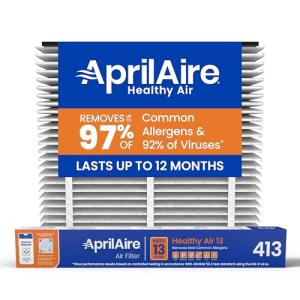
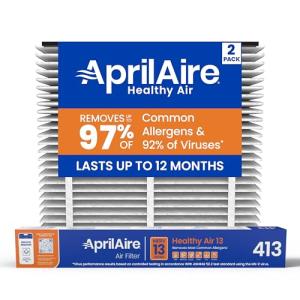
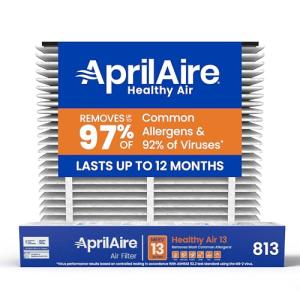
AprilAire 413 MERV 13 Filter
Aprilaire
Product Review Score
4.39 out of 5 stars
210 reviews$125.99 $102.46
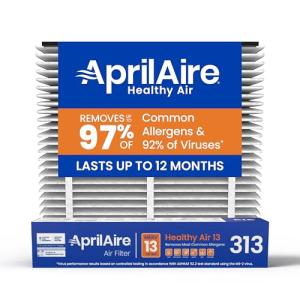
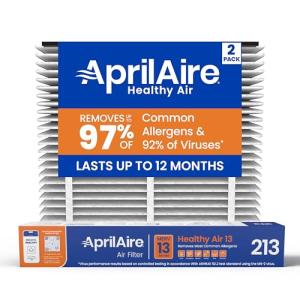
AprilAire 213 MERV 13 Filter Pack
Aprilaire
Product Review Score
4.09 out of 5 stars
217 reviews$125.99 $106.99
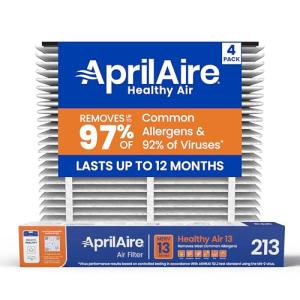
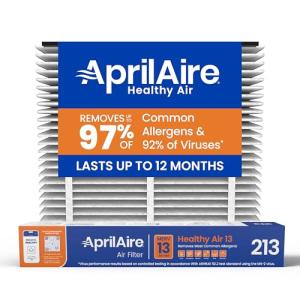
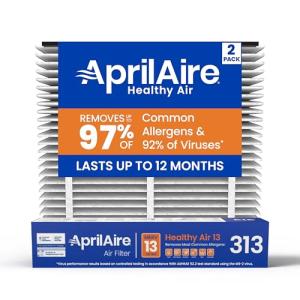
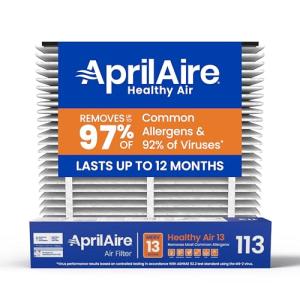
AprilAire 113 MERV 13 Filter
Aprilaire
Product Review Score
4.97 out of 5 stars
158 reviews$54.99 $48.99
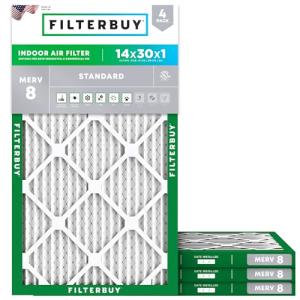
14x30x1 MERV 8 Filters (4-Pack)
Filterbuy
Product Review Score
4.68 out of 5 stars
93 reviews$39.96
Why Indoor Air Quality Matters More Than Ever
Most of us spend about 90% of our time indoors, yet we rarely think about the air we’re breathing at home. Outdoor pollution gets all the headlines, but indoor air can actually be two to five times more polluted. Every day, allergens sneak in through open windows, hitch rides on shoes and clothing, or grow quietly in carpets, upholstery, and HVAC systems.
For allergy sufferers, this constant exposure means more than just annoying symptoms. It can lead to chronic sinus issues, fatigue, poor sleep, and even flare-ups of asthma or eczema. Healthy home allergy filters address the root cause by actively removing these triggers before they reach your nose and lungs. Families with kids, seniors, or pets benefit enormously because cleaner air supports better immune function and overall wellness.
Modern allergy filters are quieter, more energy-efficient, and smarter than ever. Many now connect to apps that track air quality in real time, send filter replacement reminders, and adjust fan speeds automatically. Investing in them isn’t a luxury — it’s one of the simplest upgrades you can make for a genuinely healthier home.
Understanding Common Household Allergens and How Filters Fight Them
Let’s talk about the invisible enemies lurking in every home. Dust mites thrive in bedding, carpets, and furniture, releasing waste particles small enough to float in the air for hours. Pet dander (tiny flakes of skin) clings to fabrics and circulates through vents. Pollen drifts inside on breezes and sticks to everything. Mold spores love damp bathrooms, basements, and poorly ventilated areas. Even VOCs from cleaning products and furniture can irritate sensitive airways.
Healthy home allergy filters target these particles with advanced technology. The gold standard is HEPA (High-Efficiency Particulate Air) filtration, which captures 99.97% of particles as small as 0.3 microns. That’s smaller than most bacteria and many viruses. Many filters combine HEPA with activated carbon layers that trap odors and chemical vapors, giving you truly fresh-smelling air.
Some advanced models even use UV-C light or ionizers to neutralize germs on contact. The result? Fewer allergy attacks, less dust on surfaces, and a home that feels lighter and cleaner the moment you walk in.
Types of Healthy Home Allergy Filters: Finding Your Perfect Match
The beauty of this category is the variety. You can mix and match solutions depending on your home size, budget, and specific needs.
Whole-House HVAC Filters
These replace your standard furnace filter and treat every room at once. Look for MERV 13 or higher ratings — the higher the number, the finer the particles captured. Many homeowners upgrade to true HEPA-compatible filters or electrostatic models that use static charge to attract dust. Installation is simple: just swap them out every 3–6 months depending on your household.
Portable Room Air Purifiers
Perfect for bedrooms, living rooms, or home offices. These compact units often feature multi-stage filtration and quiet operation so they won’t disturb sleep. CADR (Clean Air Delivery Rate) ratings help you choose the right size for your space — a 300+ CADR unit can refresh a 400-square-foot room multiple times per hour.
Vacuum Cleaner Filters and Bags
Regular vacuums can actually spread allergens if they lack proper filtration. HEPA-filtered vacuums and allergy-specific bags trap particles inside instead of blowing them back into the air. Many models now include motorized brush heads and sealed systems for maximum containment.
Specialty Filters for Kitchens, Bathrooms, and Basements
Range hood filters with carbon layers eliminate cooking odors and grease while capturing particles. Bathroom exhaust fans with built-in filters fight mold and humidity. Basement dehumidifiers paired with air filters tackle the dampness that breeds allergens in the first place.
Key Benefits of Upgrading to Healthy Home Allergy Filters
The advantages go way beyond symptom relief. Many users report falling asleep faster and waking more refreshed. Kids concentrate better at homework time. Pets shed less noticeably because dander is constantly removed from the air. Reduced dust means less frequent deep cleaning — a huge time-saver.
Long-term, cleaner air can lower your reliance on allergy medications and doctor visits. Energy bills often drop too because efficient filters let your HVAC system work less hard. And let’s be honest: a home that smells fresh and feels crisp just feels more welcoming for guests, family gatherings, and everyday living.
Parents of children with seasonal allergies often notice fewer missed school days once whole-house filters are installed. Elderly family members breathe easier, reducing the risk of respiratory complications. Even people without diagnosed allergies appreciate the difference on high-pollen days or after vacuuming.
How to Choose the Right Allergy Filters for Your Home
Start by assessing your biggest triggers. Do you have pets? Focus on dander-trapping filters with strong pre-filters. Live in a dusty or pollen-heavy area? Prioritize high-MERV or true HEPA options. Struggle with odors? Add activated carbon stages.
Consider your home’s layout. Large open-concept spaces benefit from powerful whole-house systems or multiple portable units. Smaller apartments might need just one or two quality purifiers placed strategically near bedrooms and living areas.
Noise level matters too — especially for light sleepers. Look for units rated below 30 decibels on low settings. Energy Star certification ensures lower operating costs. Smart features like auto mode, air quality sensors, and app controls add convenience without complexity.
Budget-friendly options exist that still deliver excellent performance. Premium models offer longer filter life, quieter motors, and sleeker designs that blend into modern décor. The key is matching the filter’s capabilities to your square footage and allergen load.
Essential Features to Look For in 2026 Allergy Filters
Technology has evolved quickly. Today’s best healthy home allergy filters include:
- Medical-grade HEPA or H13/H14 filters that exceed basic industry standards
- Multi-layer filtration combining mechanical, carbon, and antimicrobial layers
- Real-time PM2.5 and VOC sensors with digital displays
- Voice control compatibility with Alexa, Google Home, or Siri
- Washable pre-filters that reduce replacement costs
- Filter-life indicators that actually track usage instead of using a generic timer
- Quiet sleep modes that drop below 25 dB
Many new models also feature ozone-free ionizers and photocatalytic oxidation for extra germ-killing power without harmful byproducts. Eco-friendly brands now use recyclable filter materials and energy-efficient motors that sip electricity like a nightlight.
Easy Installation and Maintenance Tips
One of the biggest myths about allergy filters is that they’re complicated. Most HVAC replacements take under five minutes. Portable purifiers simply plug in and run — no installation required.
Maintenance is straightforward: vacuum the exterior grilles monthly, replace filters on schedule, and wipe sensors with a soft cloth. Many brands now sell subscription services that ship fresh filters automatically so you never forget.
Pro tip: Place portable units away from walls and furniture for best airflow. Keep doors open between rooms so whole-house systems can circulate cleaned air everywhere. In high-allergen seasons, run purifiers 24/7 on auto mode for maximum protection.
Allergy Filters vs. Regular Filters: The Real Difference
Standard furnace filters stop large dust and lint but let tiny allergens sail right through. Healthy home allergy filters use denser media and electrostatic attraction to trap particles ordinary filters ignore. The performance gap is dramatic — especially for anyone with sensitivities.
Regular filters might last three months before clogging. Quality allergy filters often last six to twelve months while maintaining high efficiency. They also protect your HVAC equipment from dust buildup, extending its lifespan and improving energy efficiency.
Think of it like upgrading from a basic screen door to a tightly sealed storm door. One keeps out leaves; the other keeps out almost everything.
Building a Complete Healthy Home Ecosystem
Allergy filters work best as part of a bigger strategy. Combine them with allergen-proof mattress and pillow encasements, regular washing of bedding in hot water, low-VOC paints and cleaners, and houseplants that naturally purify air (like snake plants or peace lilies). Humidity control between 30–50% prevents mold while keeping air comfortable.
Smart vacuums with HEPA filtration, robotic mops, and air quality monitors round out the system. Many families create “allergy-free zones” in bedrooms with dedicated purifiers and sealed windows during peak seasons.
The payoff is a home that supports wellness instead of undermining it. Guests often comment on how fresh the air feels. Kids play on the floor without constant sneezing. Everyone just feels better.
Frequently Asked Questions About Healthy Home Allergy Filters
Do I really need special filters if I don’t have severe allergies?
Even mild symptoms improve dramatically with better filtration. Cleaner air benefits everyone’s respiratory health and reduces overall dust.
How long until I notice a difference?
Many people feel relief within hours. Full benefits usually appear within 1–2 weeks as allergens are steadily removed from surfaces and air.
Are these filters safe for pets?
Absolutely. Most are designed with pets in mind and won’t produce ozone or harmful ions when properly certified.
Can filters remove viruses and bacteria too?
High-quality HEPA filters capture many airborne viruses and bacteria. UV-C and antimicrobial layers add extra protection.
How often should I replace filters?
Follow manufacturer guidelines based on your usage and home conditions. Smart models send alerts when it’s time.
Ready to Transform Your Home’s Air?
Healthy home allergy filters represent one of the smartest, most impactful upgrades you can make for your family’s comfort and well-being. From quiet bedroom purifiers to powerful whole-house systems, the options available today make it easier than ever to create an environment where everyone can breathe freely.
Whether you’re just starting your journey toward cleaner air or looking to upgrade existing equipment, the right allergy filters deliver results you can feel in your sinuses, your sleep, and your daily energy levels. Your home deserves to be a place of genuine restoration — not another source of irritation.