If you're dealing with water issues in your home or yard, sump pumps and water pumps are your go-to solutions. They keep your space dry and safe from unwanted flooding, making them a smart investment for peace of mind. Whether you need a portable pump for occasional use or a heavy-duty sump pump, we've got you covered with reliable options that do the job right.
Sump Pumps & Water Pumps
Explore reliable sump and water pumps for keeping your spaces dry and manageable
Product List
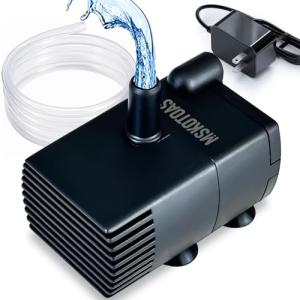
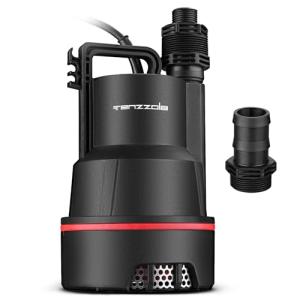
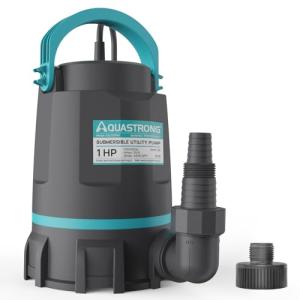
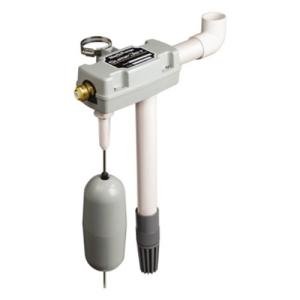
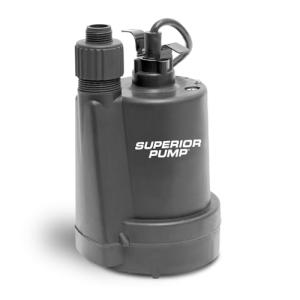
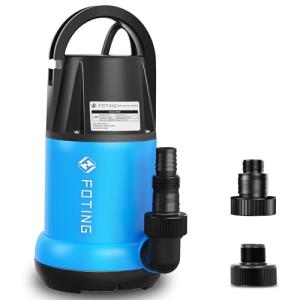
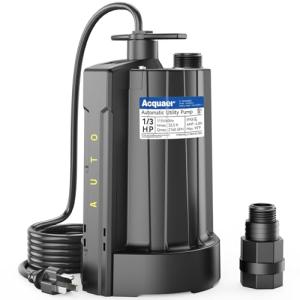
Acquaer 1/3 HP Automatic Submersible Water Pu...
Product Review Score
4.37 out of 5 stars
65 reviews$89.99
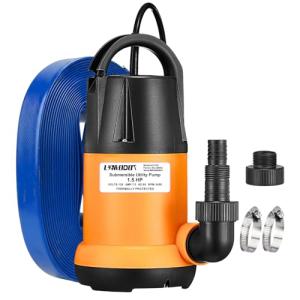
Limodot Submersible Water Pump With 25ft. Hos...
Product Review Score
4.88 out of 5 stars
9 reviews$69.99
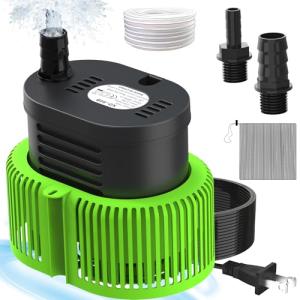
Pool Cover Pump above Ground - Submersible Wa...
Product Review Score
4.48 out of 5 stars
36 reviews$37.99
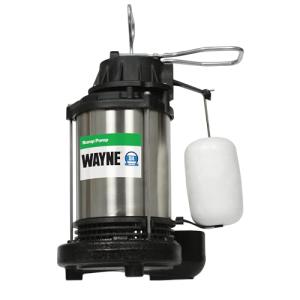
WAYNE CDU980E 3/4 HP Submersible Sump Pump –...
Product Review Score
4.43 out of 5 stars
31 reviews$219.99 $165.50
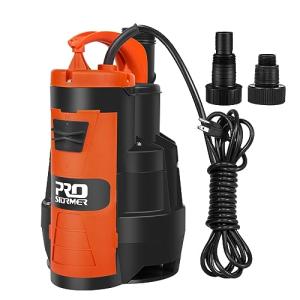
Sump Pump, Prostormer 3500 GPH 1HP Submersibl...
Product Review Score
4.78 out of 5 stars
92 reviews$54.99
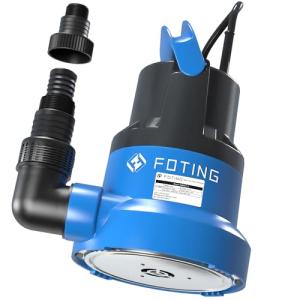
FOTING 1/2HP Submersible Water Pump with Stai...
Product Review Score
4.83 out of 5 stars
162 reviews$67.99 $59.99
What Are Sump Pumps and Why Do You Need One?
Sump pumps are specialized devices installed in a sump pit or basin to automatically remove accumulated groundwater or rainwater from low-lying areas like basements, crawl spaces, and foundation perimeters. They act as your first line of defense against basement flooding, mold growth, and structural damage caused by excess moisture. If you live in an area with high water tables, poor drainage, or frequent heavy rains, a quality sump pump can literally save your home from thousands of dollars in repairs.
Unlike general water pumps that move water from one place to another, sump pumps are engineered for continuous duty in wet, sometimes dirty environments. They detect rising water levels via a float switch or electronic sensor and activate automatically, pumping water out through a discharge pipe to a safe location away from your foundation. Modern sump pumps are quiet, energy-efficient, and available with smart features like Wi-Fi monitoring so you can check status from your phone even when you’re away.
Investing in a sump pump isn’t just about convenience — it’s about long-term protection. Many insurance companies even offer discounts on homeowners’ policies when a professionally installed sump pump system is in place. Whether you’re building a new home, renovating an older property, or simply preparing for the next big storm, understanding your sump pump options is the first step toward a drier, safer living space.
How Do Sump Pumps Work?
The operation of a sump pump is straightforward yet incredibly effective. Water seeps into the sump pit through perimeter drains or natural groundwater flow. As the water level rises, a float switch or pressure sensor triggers the pump motor. The impeller spins rapidly, creating centrifugal force that pushes water up through the discharge line and out of the home. Most systems include a check valve to prevent backflow and a battery backup unit for those critical moments when the power goes out during a storm.
Submersible models sit entirely underwater in the pit, which helps cool the motor and reduces noise. Pedestal pumps keep the motor mounted above the water line for easier access and servicing. Both types are powerful enough to handle thousands of gallons per hour, depending on the horsepower rating and head pressure required for your installation. Understanding these mechanics helps you appreciate why proper sizing and installation matter so much for reliable performance.
Types of Sump Pumps: Finding the Right Fit for Your Basement
Submersible Sump Pumps
Submersible sump pumps are the most popular choice for residential use because they operate completely underwater, making them quieter and more efficient. The entire unit sits inside the sump basin, protected by a sealed housing that keeps water away from the electrical components. These pumps excel at handling larger volumes of water quickly and are ideal for homes with high water tables or frequent flooding risks. Look for models with cast-iron construction for durability and thermal overload protection to prevent motor burnout during extended use.
Pedestal Sump Pumps
Pedestal sump pumps feature a motor mounted on a pedestal above the water line, with a long shaft extending down into the pit. This design makes them easier to service and repair because the motor stays dry and accessible. They’re often chosen for crawl spaces or areas where noise is less of a concern and maintenance access is limited. While they may run slightly louder than submersible units, their straightforward design means fewer sealed components to fail over time.
Battery Backup and Combination Sump Pump Systems
When the power goes out — exactly when you need your sump pump the most — a battery backup system keeps things running. These units automatically switch to a 12-volt battery when main power is lost and can provide hours of protection depending on water volume. Many homeowners opt for combination systems that pair a primary AC-powered pump with a DC backup, giving you layered security against both flooding and power failures.
Water Pumps: Versatile Tools for Moving and Managing Water
Water pumps cover a broader category of devices designed to transfer, boost, or remove water in all kinds of residential and light commercial applications. From shallow well jet pumps that supply household water to utility pumps that drain pools or flooded yards, these machines handle everything from clean freshwater to lightly dirty or debris-laden water. Their versatility makes them essential for irrigation, pressure boosting, pond circulation, and emergency dewatering.
Unlike sump pumps that focus primarily on basement protection, water pumps are built for mobility and multi-purpose use. Many are portable, lightweight, and come with convenient carry handles, making them perfect for seasonal tasks like emptying hot tubs, filling livestock troughs, or powering fountain features in your backyard. High-efficiency motors and corrosion-resistant materials ensure they deliver years of dependable service even when exposed to varying water conditions.
Key Differences Between Sump Pumps and General Water Pumps
While both categories move water, their design priorities differ. Sump pumps are optimized for automatic, unattended operation in permanent installations with potential debris and continuous moisture. Water pumps, on the other hand, often prioritize portability, higher flow rates for specific tasks, and the ability to handle a wider range of suction and discharge conditions. Understanding these differences helps you avoid buying the wrong tool for the job and ensures maximum efficiency and longevity.
Popular Applications for Sump Pumps and Water Pumps
Sump pumps shine in residential flood prevention, keeping basements dry year-round and protecting finished living spaces, storage areas, and HVAC equipment. Water pumps tackle everything from garden irrigation and lawn sprinkler systems to draining construction sites, emptying above-ground pools, and transferring water from cisterns or rainwater collection tanks. Farmers use them for livestock watering, while homeowners rely on them for pressure washing driveways or boosting low city water pressure during peak usage times.
Both types also play important roles in emergency preparedness kits. A reliable portable water pump can mean the difference between minor inconvenience and major property damage when storms hit or pipes burst. Many models now include gasoline, electric, or even solar-powered options so you can choose the power source that best matches your location and usage pattern.
Benefits of Installing Quality Sump Pumps and Water Pumps
The advantages go far beyond simply moving water. A well-chosen sump pump can increase your home’s resale value, reduce the risk of mold and mildew, and lower your homeowners’ insurance premiums. Water pumps save time and physical effort on chores that would otherwise require buckets, hoses, or expensive professional service calls. Energy-efficient motors and smart controls help keep operating costs low while delivering powerful performance exactly when needed.
Modern pumps also offer peace of mind through features like automatic operation, overflow alarms, and remote monitoring. You can step away knowing your system is working reliably, whether you’re on vacation or simply sleeping through a thunderstorm. For eco-conscious users, many models now incorporate variable speed technology that matches output to demand, reducing energy consumption without sacrificing capability.
How to Choose the Right Sump Pump or Water Pump: A Complete Buying Guide
Selecting the perfect pump starts with assessing your specific needs. For sump pumps, calculate the required flow rate in gallons per hour based on your basement size, expected water volume, and vertical lift (head) to the discharge point. Consider horsepower ratings — 1/3 HP is sufficient for most average homes, while 1/2 HP or larger handles heavier water inflow. Check the pump’s maximum head height, switch type (vertical or tethered float), and material construction for corrosion resistance.
When shopping for water pumps, think about the water source, distance to move the water, and whether you need a self-priming model or one that can handle solids. Portable utility pumps are great for occasional use, while permanent well pumps require careful pressure tank matching and professional installation. Always compare GPH ratings at different head heights, motor efficiency, and warranty coverage. Reading customer reviews for real-world performance in conditions similar to yours is also incredibly helpful.
Don’t forget accessories like discharge hoses, check valves, basin covers, and alarms. A complete system often performs far better than the pump alone. Budget-friendly options exist for every need, but remember that paying a little more upfront for quality components usually means fewer headaches and longer service life down the road.
Installation Tips for Sump Pumps and Water Pumps
Proper installation is critical for both performance and longevity. For sump pumps, the basin should be placed at the lowest point of your basement floor with adequate gravel for drainage. Discharge lines must slope away from the foundation and include a check valve to prevent backflow. If you’re not comfortable with plumbing and electrical work, hiring a licensed professional ensures code compliance and optimal setup.
Water pump installation varies widely depending on the model. Portable units are often plug-and-play, while permanent installations may require priming, pressure tank setup, and proper electrical grounding. Always follow manufacturer guidelines regarding suction line length, pipe diameter, and safety clearances to avoid cavitation or motor strain.
Maintenance and Troubleshooting Common Issues
Regular maintenance keeps your sump pump and water pump running smoothly for years. Test your sump pump several times a year by pouring water into the basin and observing operation. Clean the intake screen, check the float switch for free movement, and inspect discharge lines for clogs or leaks. Battery backup systems should have their batteries tested and replaced on schedule.
Water pumps benefit from similar attention — draining the unit after use in cold weather, flushing debris from impellers, and storing portable models properly during off-seasons. Common issues like failure to turn on, reduced flow, or unusual noises are usually easy to diagnose once you understand the basics. Most problems stem from clogged intakes, worn impellers, or electrical connections rather than total pump failure.
Top Features to Look For in Today’s Sump Pumps and Water Pumps
Modern pumps include smart technology that makes them more user-friendly than ever. Look for models with cast-iron or stainless-steel construction, sealed bearings, and thermal protection. Digital controllers, Wi-Fi connectivity, and automatic battery testing are becoming standard on premium units. Variable-speed motors adjust output to match demand, saving energy while reducing wear. Noise reduction technology keeps submersible pumps whisper-quiet even during heavy operation.
Portability features like ergonomic handles, quick-connect fittings, and lightweight composite housings make water pumps easier to move between jobs. Corrosion-resistant materials and oil-free motors ensure clean water handling when needed. Whether you prioritize maximum flow rate, energy efficiency, or smart home integration, today’s market offers options for every budget and performance requirement.
Frequently Asked Questions About Sump Pumps and Water Pumps
How often should I test my sump pump? At least quarterly, and always before storm season arrives.
Can a water pump be used as a sump pump? Generally no — sump pumps are designed for continuous submerged duty while most water pumps are not.
What size pump do I need for my basement? Most average homes do well with a 1/3 HP submersible unit, but larger or wetter basements may require 1/2 HP or more.
Are battery backup systems worth the investment? Absolutely — especially if you live in an area prone to power outages during heavy rain.
How long do sump pumps typically last? With proper maintenance, 7–10 years is common, though some high-quality units exceed 15 years.
Ready to Protect Your Property and Simplify Water Management?
Sump pumps and water pumps represent one of the smartest investments you can make for your home or property. They prevent expensive water damage, save time on manual labor, and provide reliable service season after season. Whether you need a heavy-duty submersible sump pump for basement protection or a versatile portable water pump for irrigation and dewatering, the right choice will deliver years of dependable performance.
Browse our full selection of sump pumps, water pumps, accessories, and complete systems today. From trusted brands with proven track records to innovative smart models loaded with modern features, we carry options for every application and budget. Don’t wait for the next storm or water emergency — take control of your water management now and enjoy the confidence that comes with professional-grade equipment working silently in the background.
Your dry basement and effortless water handling tasks are just one click away. Explore the complete collection of sump pumps and water pumps and find the perfect solution for your home or property today.