Water pitcher and dispenser filters are essential for anyone who wants clean, great-tasting water at home. These handy filters remove impurities like chlorine, sediment, and heavy metals, making your tap water safe and refreshing. With a variety of options available, you’re sure to find the perfect filter to fit your pitcher or dispenser and meet your family's needs.
Water Pitcher & Dispenser Filters
Enjoy clean, refreshing water right at home with our top-rated pitcher and dispenser filters
Product List
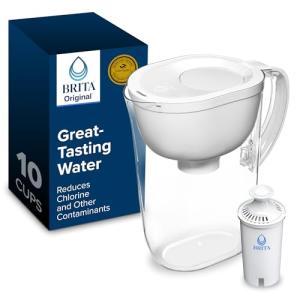
Brita 10-Cup BPA-Free Pitcher
Brita
Product Review Score
4.29 out of 5 stars
141 reviews$29.89 $28.49
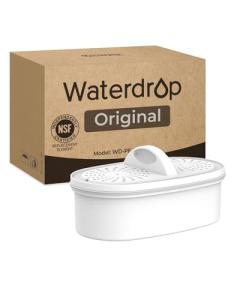
Waterdrop WD-PF-01A Filters
Waterdrop
Product Review Score
4.96 out of 5 stars
130 reviews$18.99 $15.99
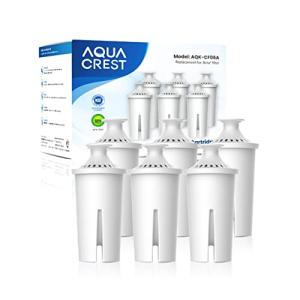
AQUA CREST Brita® Compatible Filters
Aqua Crest
Product Review Score
4.36 out of 5 stars
161 reviews$23.99 $16.99
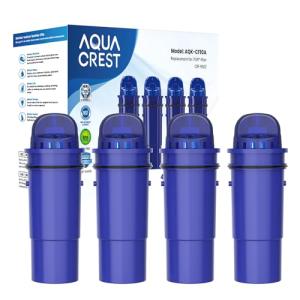
Pur® Pitcher Replacement Filter
Aqua Crest
Product Review Score
4.81 out of 5 stars
148 reviews$22.04 $18.99
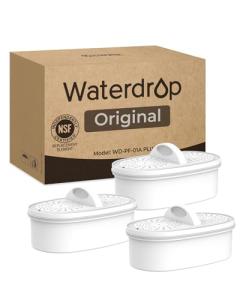
Waterdrop Pitcher Filter 3-Pack
Waterdrop
Product Review Score
4.27 out of 5 stars
32 reviews$38.81 $33.99
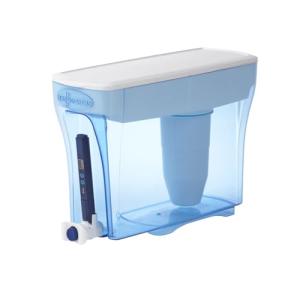
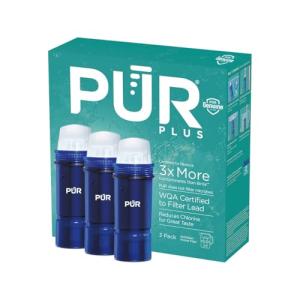
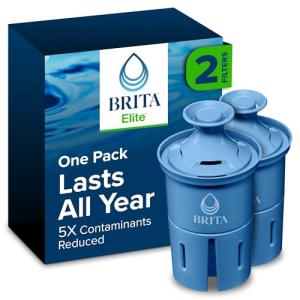
Brita Elite Filter Replacements
Brita
Product Review Score
4.44 out of 5 stars
92 reviews$34.99 $31.52
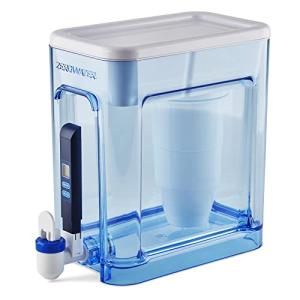
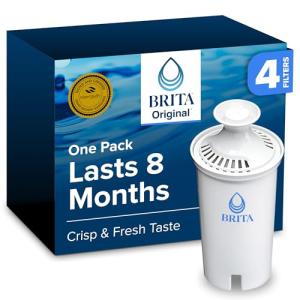
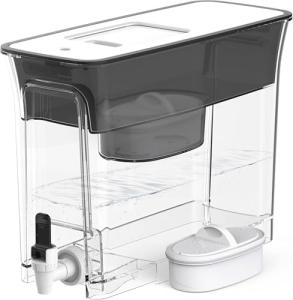
BPA Free Water Filter Dispenser
Waterdrop
Product Review Score
4.1 out of 5 stars
184 reviews$35.99
What Are Water Pitcher and Dispenser Filters?
Water pitcher filters are compact, portable systems designed to purify small to medium volumes of tap water. You simply fill the top reservoir, and gravity pulls the water through a replaceable filter cartridge into the pitcher’s main chamber. Most pitchers hold between 8 to 12 cups, perfect for individuals, couples, or small families who want fresh water without waiting.
Water dispenser filters take this concept further. These larger units often hold 18 to 30 cups or more and feature a spigot or easy-pour design. They’re ideal for bigger households, offices, or anyone who wants a steady supply of filtered water ready at all times. Many dispensers fit conveniently in the fridge door or on the counter, keeping your water chilled and refreshing.
Both styles use the same core technology: advanced filter media that targets common water impurities. No electricity, no hoses, no fuss—just clean water whenever you need it. They’ve exploded in popularity because they offer an affordable, effective way to enjoy better-tasting water while reducing reliance on single-use plastic bottles.
How Do Water Pitcher & Dispenser Filters Actually Work?
The science behind these filters is surprisingly sophisticated for such a simple-looking device. Water enters the top chamber and flows through a multi-stage filter cartridge. Most high-quality filters combine several powerful technologies working together:
First, activated carbon (often from coconut shells) grabs chlorine, bad odors, and organic compounds that make tap water taste or smell off. Then, ion-exchange resin reduces heavy metals like lead, mercury, and copper. Some advanced filters also include proprietary blends that target fluoride, PFAS (the so-called “forever chemicals”), microplastics, and even certain pharmaceuticals.
Gravity does all the work—no pumps required. This makes pitcher and dispenser filters incredibly energy-efficient and easy to use anywhere. A typical filtration cycle takes just a few minutes, so you can refill and have fresh water ready in no time. Many modern cartridges also include a reminder indicator that tells you exactly when it’s time to replace the filter, usually every 40 to 150 gallons depending on the model and your local water quality.
The result? Water that’s noticeably clearer, tastes smoother, and feels better to drink. Many users report that their coffee, tea, and even ice cubes taste dramatically better after switching to filtered water.
Key Benefits of Using Water Pitcher and Dispenser Filters
The advantages go far beyond just better taste. Families who switch to water pitcher filters often notice immediate improvements in daily life. Health-conscious parents love knowing they’re reducing potential contaminants for their kids. Fitness enthusiasts appreciate the convenience of grabbing a cold, filtered glass anytime.
Cost savings are huge. The average household spends hundreds of dollars a year on bottled water. A good water pitcher or dispenser filter pays for itself in just a few months while eliminating all that plastic waste. Environmentally, it’s a clear win—fewer plastic bottles heading to landfills or oceans.
Convenience is another major draw. No more lugging heavy cases of bottled water up the stairs. No more waiting for delivery services. Just fill from your tap and enjoy. Plus, these systems are portable. Take your pitcher on vacation, to the office, or to college dorms. Many models are dishwasher-safe for easy cleaning.
Water quality improvement is the biggest reason people buy these filters. Even in cities with “safe” municipal water, chlorine levels or old pipes can leave an unpleasant taste or introduce trace contaminants. Filters remove or significantly reduce chlorine, chloramines, lead, cadmium, mercury, cysts, and more—giving you peace of mind with every sip.
Types of Water Pitcher Filters and Dispenser Systems
Not all filters are created equal. Understanding the different options helps you pick the right one for your needs.
Basic activated carbon pitchers focus on taste and odor. They’re affordable and great for city water where chlorine is the main issue. These are perfect starter options for budget-conscious buyers.
Multi-stage filters offer more comprehensive protection. They combine carbon with ion-exchange resin and sometimes a fine mesh screen to catch particles. Look for models certified to NSF/ANSI standards for specific contaminant reduction—these third-party certifications prove the filter actually does what it claims.
Alkaline or mineral-enhancing filters add a twist. Some cartridges include minerals like calcium and magnesium that are stripped during filtration, restoring a balanced pH and crisp taste. Others use special media to increase alkalinity for those who prefer slightly higher pH water.
Dispenser-style filters come in both manual and electric versions. Non-electric dispensers rely on gravity like pitchers but hold much more volume. Electric dispensers with built-in cooling or UV light add extra convenience and purification steps, though they require a power outlet.
Fridge-friendly models are designed to fit neatly on refrigerator shelves, keeping water cold without taking up counter space. Countertop dispensers with large spigots work well for families or entertaining guests.
Water Pitchers vs. Water Dispensers: Choosing the Right Size and Style
The biggest decision most buyers face is whether a compact pitcher or a larger dispenser better fits their lifestyle.
Water pitchers shine for smaller spaces and quick access. They’re lightweight, easy to store in the fridge, and perfect for 1-3 people. Refilling is fast, and they don’t take up much room. If you mainly drink water at meals or want something ultra-portable, a pitcher is ideal.
Water dispensers excel for larger households or high-volume use. With bigger reservoirs, you won’t run out as quickly. The spigot design makes filling glasses or water bottles effortless—no lifting a heavy pitcher. Many people keep a dispenser in the fridge for ice-cold water all day long.
Consider your daily water consumption. A family of four might go through 8-12 gallons per week. A 10-cup pitcher needs frequent refilling, while an 18-30 cup dispenser stays full longer. Think about where you’ll store it too—counter space versus fridge space.
Both styles now come in sleek modern designs with BPA-free plastics, glass options, or stainless steel accents. Some even feature ergonomic handles, locking lids to prevent spills, and digital filter-life indicators that sync with smartphone apps.
Essential Features to Look for in Quality Water Pitcher & Dispenser Filters
When shopping for water pitcher filters, smart buyers focus on these key features:
Filter capacity and lifespan matter most. Some cartridges last 40 gallons while premium ones reach 150+ gallons before needing replacement. Longer-lasting filters mean lower long-term costs and less waste.
Certification is your best guarantee of performance. Look for NSF/ANSI 42 (taste and odor), 53 (health effects), or 401 (emerging contaminants) certifications. These independent tests confirm the filter reduces specific substances.
Filtration speed varies widely. Fast-flow designs use larger surface area or optimized media so you don’t wait forever for a full pitcher. Some advanced models filter in under a minute.
Build quality affects daily enjoyment. Look for sturdy, leak-proof construction, comfortable handles, and lids that stay securely in place. Clear reservoirs help you see water levels at a glance.
Filter replacement ease is often overlooked. The best systems have simple, tool-free cartridge changes that take seconds. Some even include a subscription service that automatically ships fresh filters.
Design and aesthetics have improved dramatically. Today’s pitchers and dispensers come in beautiful colors and minimalist styles that actually enhance your kitchen decor instead of cluttering it.
How to Choose the Best Water Pitcher or Dispenser Filter for Your Home
Start by testing your tap water. Many cities provide free or low-cost water quality reports. If you have well water or specific concerns (hard water, high lead, PFAS), choose a filter certified for those exact contaminants.
Consider your household size and habits. A solo apartment dweller might love a slim 8-cup pitcher. A busy family with teenagers might need a 27-cup dispenser that stays in the fridge.
Budget wisely. The initial purchase price is only part of the story. Calculate the cost per gallon over time by factoring in filter replacement frequency and price. Premium filters often save money in the long run.
Read real user reviews focusing on taste improvement and filter longevity. Everyone’s water is different, so look for feedback from people in your area or with similar water sources.
Think about maintenance. Choose systems with clear replacement indicators—whether it’s a color-changing dot, digital display, or app notification—so you never drink unfiltered water by accident.
Maintenance Tips to Keep Your Water Filter Performing at Its Best
Proper care extends the life of your filter and ensures consistent water quality. Always follow the manufacturer’s instructions, but general best practices include:
Replace filters on schedule. Even if water still tastes fine, expired filters lose effectiveness and can harbor bacteria. Set a calendar reminder or use the built-in indicator.
Rinse new cartridges thoroughly. Most require a quick flush under running water or a couple of discarded batches to activate the media and remove any carbon dust.
Clean the pitcher or dispenser regularly. Wash with mild soap and water every week or two. Avoid harsh chemicals that could affect future batches of water.
Store properly. Keep filled pitchers in the fridge to slow bacterial growth. Empty and dry the unit if you’ll be away for more than a few days.
Use cold tap water only. Hot water can damage filter media and reduce effectiveness dramatically.
Health and Environmental Impact of Switching to Filtered Water
Drinking filtered water from pitchers and dispensers supports better hydration habits. When water tastes great, people naturally drink more of it—leading to improved energy, better skin, and overall wellness.
By removing chlorine and other chemicals, many users report fewer headaches or digestive sensitivities sometimes linked to tap water additives. For families with young children or elderly members, reducing potential contaminants provides extra reassurance.
Environmentally, every pitcher filter you use prevents dozens of plastic bottles from being produced and discarded. The compact filter cartridges themselves are often recyclable through manufacturer programs, making the whole system surprisingly eco-friendly.
Compared to reverse osmosis systems or whole-house filters, pitcher and dispenser filters use far less water and energy while delivering targeted purification exactly where you need it most—at the point of use.
Common Questions About Water Pitcher & Dispenser Filters
Do these filters remove everything from water? No single filter removes 100% of all possible contaminants, but quality models significantly reduce the most common concerns like chlorine, lead, and PFAS. They’re designed for typical municipal or well water, not extreme contamination.
How long do filters really last? It depends on usage and water quality. Most manufacturers rate them for 40-150 gallons or 2-6 months. Heavy use or very hard water shortens lifespan.
Are they better than bottled water? In taste, cost, and environmental impact—absolutely. Filtered pitcher water consistently rates higher in blind taste tests and saves thousands of dollars yearly.
Can I use them with well water? Yes, many models work great with well water, especially those certified for cyst reduction and heavy metals. Test your well water first for specific guidance.
Is the filtered water alkaline? Standard filters produce neutral pH water. Some specialized cartridges add minerals to create mildly alkaline water for those who prefer it.
Why Water Pitcher & Dispenser Filters Are a Smart Choice in 2026
With growing awareness around water quality, microplastics, and sustainable living, these simple devices have never been more relevant. They bridge the gap between basic tap water and expensive bottled alternatives, giving you control over what you and your family drink every single day.
Modern water pitcher filters have evolved into stylish, high-performance kitchen tools that deliver professional-level filtration without any hassle. Whether you choose a sleek 10-cup pitcher for your apartment or a generous 25-cup dispenser for family dinners, you’re investing in better health, better taste, and a smaller environmental footprint.
Ready to upgrade your daily hydration? Explore the full range of water pitcher & dispenser filters available today and discover just how good your tap water can taste. Your future self—and your taste buds—will thank you