Keeping your home’s air fresh and comfortable is easy with the right humidifier and dehumidifier filters. These filters trap dust, allergens, and moisture, ensuring you breathe cleaner air. Whether you need to reduce humidity or add a little moisture back in, we've got the filters you need to keep your air quality in check.
Humidifier & Dehumidifier Filters
Find the perfect filter to keep your humidifier and dehumidifier running smoothly and efficiently
Product List
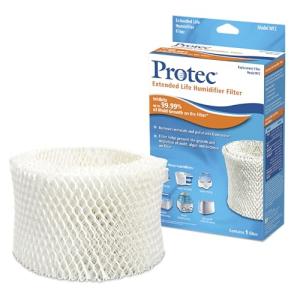
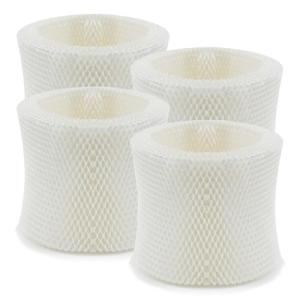
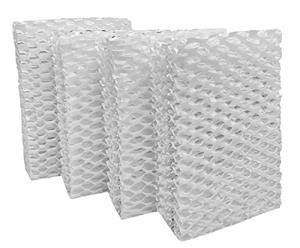
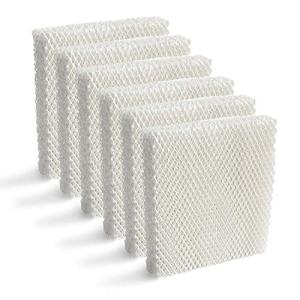
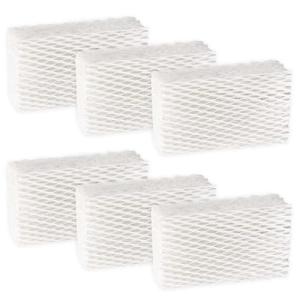
Why Humidifier and Dehumidifier Filters Matter More Than You Think
Indoor air can be surprisingly dirty—often more polluted than outdoor air. Your humidifier or dehumidifier pulls in that air, adds or removes moisture, and pushes it back out. Without a quality filter, you’re simply moving around the same dust, pollen, pet dander, and mineral deposits. Over time this leads to white dust on furniture, musty smells, or even worse, airborne bacteria and mold spores that affect breathing and allergies.
A good filter acts like a gatekeeper. It catches impurities right at the source so only clean, properly humidified (or dehumidified) air reaches your family. People who use these filters report fewer allergy symptoms, less static electricity in winter, and even better sleep because the air feels less dry or sticky. If you’ve ever noticed a funny smell coming from your humidifier or seen your dehumidifier struggling to keep humidity levels steady, chances are your filter needs attention.
Understanding Humidifier Filters: Types, Function, and Benefits
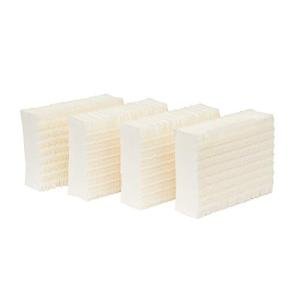
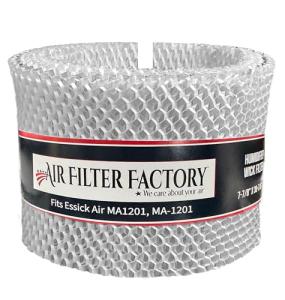
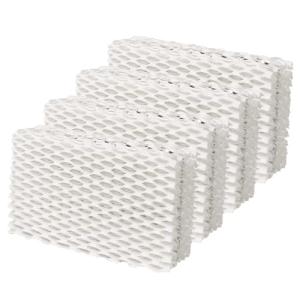
Humidifier filters come in several styles depending on the type of humidifier you own. The most common are wick filters, also called evaporator pads or humidifier cartridges. These sit inside evaporative humidifiers and do double duty: they wick up water so it can evaporate naturally into the air while trapping minerals from hard water and any airborne particles.
Then you have foam filters and sponge-style inserts used in some ultrasonic and cool-mist models. These are usually washable but still need regular replacement because they can harbor bacteria if not cleaned properly. Charcoal or activated carbon layers are sometimes added to control odors, especially helpful in bedrooms or nurseries where you want fresh air without any chemical smells.
What makes a great humidifier filter? Look for ones made from high-grade, antimicrobial-treated materials. These resist mold growth and stay effective longer. Some premium options even include layers that capture microscopic particles down to 0.3 microns—great for households with asthma sufferers or young children. Replacing your humidifier filter every 30 to 60 days (or sooner in hard-water areas) keeps performance high and prevents that annoying white dust that can coat your electronics and furniture.
Think about it this way: your humidifier is working hard all winter long to fight dry air. A fresh filter ensures it doesn’t just add moisture—it adds clean moisture. Families notice softer skin, fewer nosebleeds, and even healthier houseplants when the filter is doing its job. For whole-house humidifiers attached to your furnace, the filters are larger and trap even more debris, protecting both your HVAC system and your lungs.
Dehumidifier Filters: Keeping Moisture Under Control Without the Mess
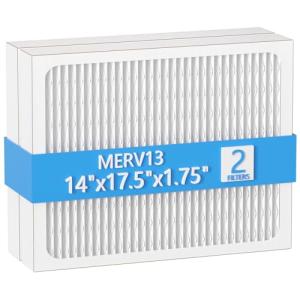
Dehumidifiers work in the opposite direction, pulling moisture out of the air to prevent dampness, mold, and musty odors. Their filters are just as important. Most dehumidifiers use a combination of pre-filters and main air filters. The pre-filter catches larger particles like pet hair and lint, protecting the internal coils from clogging. Behind that you’ll often find HEPA-style or electrostatic filters that grab finer allergens and dust mites.
Some newer dehumidifier models include washable filters with silver-ion technology that actively kills bacteria on contact. Others use carbon-infused filters to neutralize smells from basements or laundry rooms. Because dehumidifiers run for months in humid seasons, these filters collect a surprising amount of gunk. When the filter gets clogged, your unit works harder, uses more electricity, and may not pull humidity down as effectively.
Changing dehumidifier filters regularly means your appliance runs quieter, collects water faster, and keeps energy bills lower. Homeowners in coastal or tropical areas swear by quality dehumidifier filters because they stop mold before it starts. If you’ve ever emptied a dehumidifier bucket and noticed slimy buildup, a fresh filter could have prevented most of that.
Key Differences Between Humidifier Filters and Dehumidifier Filters
Even though they serve similar overall goals, humidifier filters and dehumidifier filters are built differently. Humidifier filters are designed to handle constant moisture—they need to stay wet without falling apart or growing mold. That’s why many use special paper or fiber materials treated with antimicrobial agents.
Dehumidifier filters, on the other hand, stay relatively dry and focus more on heavy-duty particle capture because the air passing through is being cooled and condensed. They’re often thicker and use pleated designs to maximize surface area. Understanding this difference helps you buy the right replacement every time instead of guessing.
Many households own both devices—one for winter and one for summer—so stocking the correct humidifier and dehumidifier filters year-round becomes part of a smart home maintenance routine. The good news? Many manufacturers design filters that fit multiple models, making shopping easier.
Health Benefits of Using Quality Replacement Filters
Breathing clean, balanced air isn’t a luxury—it’s something your body thanks you for every day. High-quality humidifier filters reduce the spread of airborne viruses and bacteria, which is especially valuable during cold and flu season. Parents of young kids often notice fewer sick days once they start changing filters on schedule.
Allergy sufferers get real relief too. Pollen, dust mites, and pet dander get trapped before they recirculate. People with asthma report easier breathing and fewer nighttime symptoms. Even if you don’t have diagnosed allergies, you’ll probably sleep better, wake up with less congestion, and notice your home smells fresher overall.
On the dehumidifier side, proper filtration stops mold spores from spreading. Mold loves damp basements, bathrooms, and closets, and once it gets into the air it can trigger headaches, fatigue, and respiratory irritation. A good filter combined with consistent dehumidifier use creates a hostile environment for mold while keeping relative humidity in that sweet 30-50% range doctors recommend.
How to Choose the Right Humidifier and Dehumidifier Filters
Shopping for filters can feel overwhelming with so many options available. Start by checking your appliance’s model number—most manufacturers list the exact filter part number in the manual or on the unit itself. If you can’t find it, measure the filter dimensions carefully; even a half-inch difference can cause leaks or poor performance.
Next, consider your water quality and local environment. Hard water areas need filters with extra mineral-trapping layers. Homes with pets benefit from filters rated for pet hair and dander. Look for certifications like AHAM or Energy Star when possible—these indicate the filter has been tested for real-world performance.
Price matters, but so does value. Cheap generic filters sometimes use lower-grade materials that clog faster or shed fibers into the air. Investing a few extra dollars in name-brand or high-performance replacements usually pays off in fewer changes and better air quality. Many people set calendar reminders or subscribe to filter delivery services so they never miss a change.
Compatibility is another big factor. Some filters work across multiple brands—Honeywell, Aprilaire, Frigidaire, and GE models often share similar designs. Universal fit options give you flexibility if you upgrade your humidifier or dehumidifier later.
Installation Tips and Maintenance Best Practices
Replacing a filter takes less than five minutes in most cases. Always unplug your appliance first and empty any water reservoirs. Gently remove the old filter—notice how much dust and gunk it caught; that’s proof it was working. Slide the new one in the same orientation, making sure it seats properly so air can’t bypass it.
For humidifiers, rinse the reservoir with white vinegar every week to prevent scale buildup. Dehumidifiers benefit from wiping down the coils and bucket monthly. Store spare filters in a cool, dry place so they stay fresh until needed. If your filter is washable, follow the manufacturer’s instructions exactly—using the wrong cleaner can damage the antimicrobial coating.
Watch for signs it’s time for a change: reduced mist output, strange odors, or the unit running longer than usual. In hard-water regions you might need to replace filters twice as often, but the payoff in cleaner air is worth it.
Energy Efficiency and Long-Term Savings
A clogged filter forces your humidifier or dehumidifier to work harder, which means higher electricity bills and shorter appliance lifespan. Fresh filters keep airflow smooth so the motor doesn’t strain. Over a year, the savings on energy plus fewer repairs can easily cover the cost of quality replacement filters.
Many modern filters are also designed with eco-friendly materials that break down more safely at the end of their life. Choosing recyclable or biodegradable options helps reduce landfill waste while still delivering top performance.
Common Problems and How the Right Filter Solves Them
White dust everywhere? That’s usually mineral deposits from an old humidifier filter. Musty smell from the dehumidifier? A saturated filter is probably the culprit. Unit shutting off too soon or running constantly? Clogged airflow is a frequent cause. Switching to fresh filters often resolves these issues instantly.
For people in apartments or small homes, compact filters designed for portable units make a huge difference without taking up extra space. Larger homes with whole-house systems need bigger, more robust filters that handle higher airflow volumes.
Seasonal Care and Year-Round Use
Winter calls for humidifier filters to fight dry heat from furnaces. Summer brings out dehumidifiers to battle humidity from rain and air conditioning. Keeping both types of filters on hand means you’re ready for any weather. Some families even use a small dehumidifier in the basement year-round and a bedroom humidifier in winter—two filters, twice the protection.
Travelers who take portable units on trips also appreciate lightweight, easy-to-replace filters that fit in carry-on bags. No matter your lifestyle, these filters adapt to your needs.
Final Thoughts on Choosing and Using Humidifier & Dehumidifier Filters
Your home’s air quality affects everything from how well you sleep to how often you catch colds. Investing a little time and money in the right humidifier filters and dehumidifier filters is one of the smartest, most affordable upgrades you can make. They work quietly in the background, protecting your family and your appliances while you go about your day.
Whether you’re replacing a single filter or building a year-round maintenance kit, focus on quality, proper fit, and regular changes. Your lungs, your furniture, and your energy bill will all thank you. Browse our full selection of humidifier and dehumidifier filters today and breathe easier knowing you’re giving your home the clean air it deserves.
Ready to upgrade? Finding the perfect replacement filter for your exact model has never been easier. With the right choice, you’ll enjoy fresher air, fewer allergens, and peace of mind all year long. Your indoor comfort starts with a simple filter change—make it count.