Ready to upgrade? Explore the latest under sink reverse osmosis systems and find the one that fits your kitchen and lifestyle perfectly. Your future self—and your taste buds—will thank you.
Under Sink Reverse Osmosis Systems
Product List
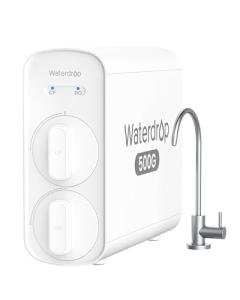
Waterdrop G5P500 Reverse Osmosis Water Filter...
Waterdrop
Product Review Score
4.95 out of 5 stars
78 reviews$249.99 $199.99
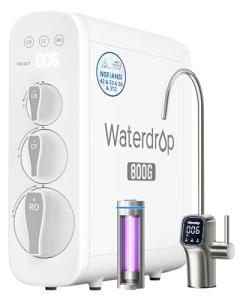
Waterdrop G3P800 Reverse Osmosis System, 800...
Waterdrop
Product Review Score
4.88 out of 5 stars
224 reviews$999.00 $759.00
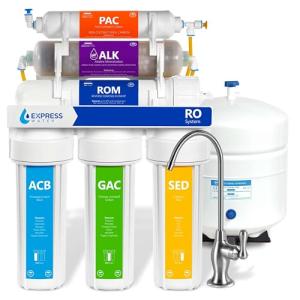
Express Water Reverse Osmosis Alkaline Water...
Express Water
Product Review Score
4.13 out of 5 stars
95 reviews$209.99
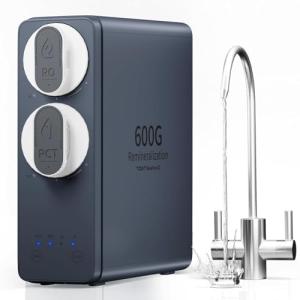
TOKIT U2 Reverse Osmosis System, Tankless Alk...
Product Review Score
4.39 out of 5 stars
61 reviews$89.99 $79.99
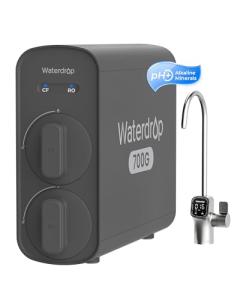
Waterdrop G5P700A Alkaline Mineral pH+ Revers...
Waterdrop
Product Review Score
4.65 out of 5 stars
87 reviews$359.99 $309.99
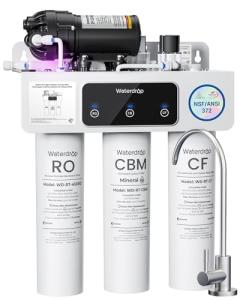
Waterdrop T3-M Remineralization Reverse Osmos...
Waterdrop
Product Review Score
4.64 out of 5 stars
192 reviews$279.99 $199.99
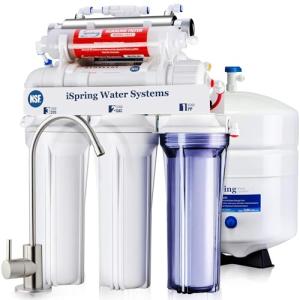
iSpring RCC7AK-UV, NSF Certified, 7-Stage Und...
Ispring
Product Review Score
4.32 out of 5 stars
230 reviews$369.99 $329.99
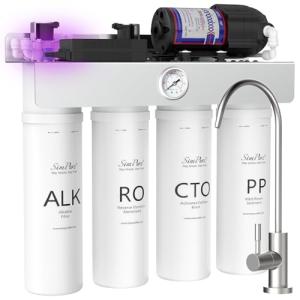
SimPure T1-400ALK Alkaline UV Reverse Osmosis...
Simpure
Product Review Score
4.66 out of 5 stars
54 reviews$337.99 $246.39
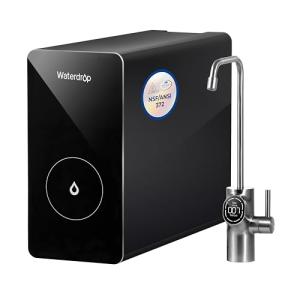
Waterdrop D6 Reverse Osmosis Water Filter, 60...
Waterdrop
Product Review Score
4.43 out of 5 stars
205 reviews$399.00 $289.00
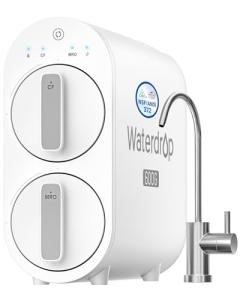
Waterdrop G2P600 Reverse Osmosis System, TDS...
Waterdrop
Product Review Score
4.89 out of 5 stars
147 reviews$359.00 $289.00
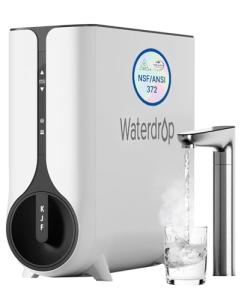
Waterdrop KJ600 Reverse Osmosis System, Insta...
Waterdrop
Product Review Score
4.97 out of 5 stars
85 reviews$799.00 $559.00
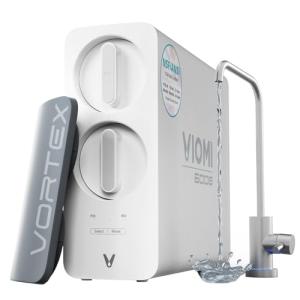
VIOMI 600GPD RO Water Filtration System, TDS...
Product Review Score
4.73 out of 5 stars
125 reviews$339.99 $246.99
What Are Under Sink Reverse Osmosis Systems?
Under sink reverse osmosis systems, often called under sink RO systems or reverse osmosis under sink filters, are point-of-use water purifiers designed specifically for your kitchen sink. Unlike whole-house filtration that treats every drop of water entering your home, these systems focus on the water you actually drink and cook with. They connect directly to your cold-water supply line under the sink and deliver ultra-pure water through a dedicated chrome or brushed-nickel faucet that sits right next to your main tap.
The typical under sink reverse osmosis system consists of a series of filtration stages housed in sleek canisters or a compact manifold. Most models include a storage tank (though tankless versions are gaining popularity) that holds purified water so you never have to wait. The entire unit tucks neatly out of sight, taking up about the same space as a small toolbox. Installation is straightforward for most DIYers, and the system operates quietly in the background, producing pure water on demand.
What sets under sink reverse osmosis systems apart is their multi-stage filtration process. They don’t just strain out big particles like basic faucet filters—they use pressure to force water through a semi-permeable membrane that strips away tiny dissolved contaminants at the molecular level. This technology originated in desalination plants but has been refined for home use into reliable, affordable packages that fit almost any budget and kitchen layout.
How Do Under Sink Reverse Osmosis Systems Work?
The magic of any under sink reverse osmosis system happens through a clever process called reverse osmosis. Here’s how it unfolds in simple terms: your home’s tap water first passes through one or more pre-filters. These usually include a sediment filter that catches dirt, rust, and sand, followed by activated carbon filters that remove chlorine, bad tastes, odors, and organic chemicals like pesticides or volatile organic compounds (VOCs).
Next comes the heart of the system—the RO membrane. Household water pressure (or a small booster pump in some models) pushes the pre-filtered water against this ultra-fine membrane. Pure water molecules slip through tiny pores while nearly everything else—lead, arsenic, fluoride, nitrates, PFAS “forever chemicals,” bacteria, viruses, and dissolved salts—gets trapped and flushed away as wastewater. The purified water then flows into a storage tank or, in tankless models, straight to your faucet.
Finally, a post-filter (usually another carbon stage) polishes the water, removing any lingering tastes or odors and sometimes adding healthy minerals back if the system includes a remineralization cartridge. The result? Water that tastes fresh, pure, and delicious—often better than expensive bottled brands. Modern under sink reverse osmosis systems are engineered to be incredibly efficient, with some models achieving waste-to-pure water ratios as low as 1:1 or better, meaning far less water goes down the drain than older units.
Top Benefits of Installing an Under Sink Reverse Osmosis System
The advantages of choosing under sink reverse osmosis systems go way beyond just clean water. First and foremost, you get exceptional contaminant removal. These systems eliminate up to 99% of over 90 common impurities, including heavy metals, pharmaceuticals, microplastics, and harmful chemicals that many standard filters leave behind. Families with young children, pregnant women, or anyone with health sensitivities particularly appreciate this extra layer of protection.
Taste and odor improvement is another huge win. Chlorine, sulfur, and metallic notes disappear, leaving water that makes tea, coffee, soups, and smoothies taste noticeably better. Many people report their ice cubes look clearer and their plants thrive when watered with RO water. You’ll likely find yourself drinking more water simply because it tastes so good.
Cost savings add up fast. While the initial investment for a quality under sink RO system ranges from a few hundred to around a thousand dollars, it quickly pays for itself by eliminating bottled water purchases. A family of four can save hundreds of dollars yearly while cutting plastic waste dramatically—an eco-friendly bonus that feels great.
Convenience is built right in. No more lugging heavy cases of water from the store or waiting for pitcher filters to fill. With an under sink reverse osmosis system, you get on-demand pure water at the twist of a dedicated faucet. Space efficiency is another perk: everything hides under the sink, keeping your countertops clutter-free unlike countertop models.
Health and wellness benefits extend further. By removing contaminants linked to various concerns, you’re supporting better hydration for the whole household. Many modern systems also offer alkaline or remineralized options that restore beneficial minerals like calcium and magnesium, balancing pH for even more refreshing water.
Under Sink Reverse Osmosis Systems vs. Other Water Filtration Options
When comparing under sink reverse osmosis systems to other popular choices, the differences become clear. Basic under-sink carbon filters or faucet-mounted units are cheaper and easier to install, but they only tackle chlorine, sediment, and some tastes. They can’t touch dissolved solids, heavy metals, or PFAS the way RO membranes do.
Water pitcher filters and countertop models are portable and inexpensive upfront, but they require constant refilling, take up counter space, and offer limited capacity and filtration power. Whole-house systems treat every tap in your home, which sounds ideal but costs thousands more to install and maintain, and they rarely match the ultra-pure results of a dedicated under sink RO system for drinking water.
Under sink reverse osmosis systems strike the perfect balance: targeted purification exactly where you need it most (the kitchen), powerful multi-stage performance, and reasonable ongoing costs. They outperform single-stage filters while avoiding the overkill and expense of whole-house RO setups. For most households, installing one under sink reverse osmosis system delivers 90% of the benefits people actually want from better water.
Key Features to Look for in the Best Under Sink Reverse Osmosis Systems
Not all under sink reverse osmosis systems are created equal. When shopping, prioritize the number of filtration stages—five to seven stages usually provide excellent results. Look for models with high-quality RO membranes rated for 50–100 gallons per day or more, depending on your household size.
Tank versus tankless is a big decision. Traditional tank systems store water for instant access but take more space. Newer tankless under sink RO systems deliver faster flow rates, save space, and reduce the risk of bacteria growth in stored water. Efficiency matters too—seek WaterSense-certified units or those with 2:1 or better waste ratios to conserve water.
Additional smart features can elevate your experience. Remineralization stages restore healthy minerals and improve pH. UV lights add extra protection against bacteria. Digital filter-life monitors, leak detectors, and TDS (total dissolved solids) meters help you maintain peak performance effortlessly. Check for NSF/ANSI certifications that verify contaminant reduction claims.
Finally, consider noise level, ease of filter changes, and warranty length. The best under sink reverse osmosis systems combine powerful purification with user-friendly design so you can enjoy pure water for years with minimal hassle.
Easy Installation Guide for Under Sink Reverse Osmosis Systems
One of the biggest appeals of under sink reverse osmosis systems is how straightforward installation can be. Most quality units come with clear instructions, all necessary fittings, and color-coded tubing. You’ll typically need basic tools like an adjustable wrench and drill (for the faucet hole if none exists).
The process starts by shutting off your cold-water supply, then connecting a feed valve to your existing line. You’ll run tubing to the filters, install the drain saddle for wastewater, mount the storage tank or manifold, and attach the dedicated faucet. Many people complete the entire job in under an hour without calling a plumber. If your home has low water pressure, choose a system with a built-in booster pump for optimal performance.
Maintenance Tips to Keep Your Under Sink RO System Running Perfectly
Keeping your under sink reverse osmosis system in top shape is simple and inexpensive. Pre-filters and carbon post-filters generally need replacement every six to twelve months, while the RO membrane lasts two to five years depending on your water usage and quality. Most manufacturers provide clear schedules and color-coded cartridges that twist in and out without tools.
Annual maintenance costs typically run between $60 and $120—far less than buying bottled water. Sanitizing the tank occasionally and checking connections for leaks prevents issues. Modern systems often include quick-change filter designs and smartphone app reminders, making upkeep easier than ever.
How to Choose the Right Under Sink Reverse Osmosis System for Your Home
Selecting the perfect under sink reverse osmosis system depends on your water source, household size, and preferences. Test your tap water first to identify specific contaminants. Families of four or more will appreciate higher-capacity tank or tankless models with fast refill rates. If counter space and aesthetics matter, go tankless. Budget-conscious buyers can find excellent performing units in the mid-range, while premium models offer extras like UV sterilization or alkaline enhancement.
Read real-user reviews focusing on long-term reliability and customer service. Reputable brands stand behind their products with generous warranties. Consider future needs—many systems allow easy upgrades as your family grows.
Common Myths About Reverse Osmosis Water Debunked
Some people worry that under sink reverse osmosis systems remove “good” minerals and make water unhealthy. In reality, most of your daily mineral intake comes from food, not water. Many systems now include remineralization stages anyway. Others believe RO wastes too much water, but today’s efficient models minimize drain water significantly. Claims that RO water is too acidic are also overstated—slight pH differences rarely affect health, and remineralization balances it perfectly.
The truth is under sink reverse osmosis systems provide some of the purest, safest drinking water available for home use while saving money and reducing plastic waste.
Why Under Sink Reverse Osmosis Systems Are the Smart Choice in 2026
Under sink reverse osmosis systems have become the go-to solution for health-conscious homeowners who want reliable, high-performance water filtration without major renovations. They deliver exceptional purity, convenience, and value in one compact package. Whether you’re concerned about emerging contaminants, tired of mediocre tap water taste, or simply want the best for your family, investing in a quality under sink RO system is a decision you’ll appreciate every time you take a sip.