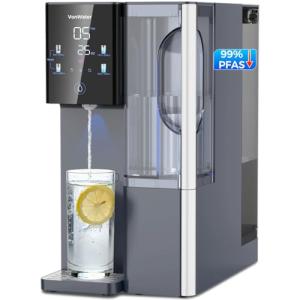
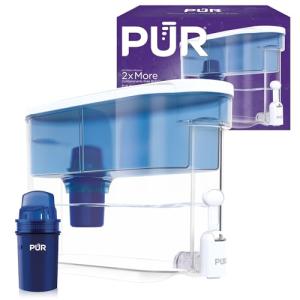
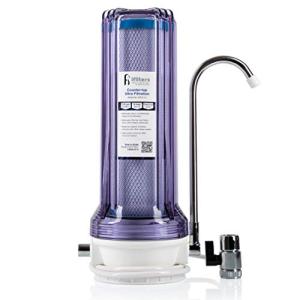
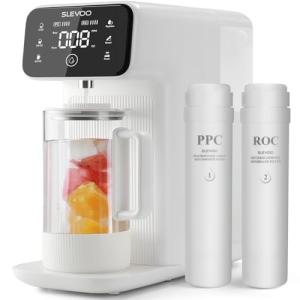
What Are Countertop Water Systems?
Countertop water systems are standalone water filtration units designed to sit on your kitchen counter or any flat surface near a water source. Unlike under-sink or whole-house systems that require professional installation, these portable filters connect directly to your faucet or operate independently using gravity or electric pumps. They’re perfect for renters, homeowners who prefer flexibility, or anyone who wants filtered water without remodeling their kitchen.
Most countertop water systems use advanced multi-stage filtration to target common water issues like sediment, chlorine, heavy metals, and even some bacteria or viruses depending on the model. The best countertop water filters combine technologies such as activated carbon, ion exchange, and sometimes reverse osmosis or UV light for comprehensive purification. They typically produce anywhere from a few gallons to dozens of gallons of clean water per day, making them ideal for families or frequent water drinkers.
One of the biggest appeals is their plug-and-play nature. You can move them from one countertop to another, take them when you travel or move homes, and they don’t tie up valuable cabinet space. Modern designs blend seamlessly with any kitchen décor, with sleek stainless steel, glass, or BPA-free plastic options available in various sizes and colors.
Key Benefits of Countertop Water Systems
The advantages of choosing a countertop water system go far beyond just better-tasting water. First and foremost, they deliver convenience. Fill a glass or pitcher in seconds—no waiting for slow drips or running to the store for bottled water. Many units dispense both cold and room-temperature water, and some even include hot water options for tea or coffee.
Cost savings are another huge win. The average American family spends hundreds of dollars a year on bottled water. A quality countertop water filter pays for itself quickly through reduced plastic purchases and lower utility bills compared to larger filtration systems. Maintenance is straightforward too—most filters last three to six months before a simple cartridge swap.
Health benefits stand out as well. These systems remove or reduce harmful contaminants such as lead, mercury, PFAS chemicals, pesticides, and pharmaceutical residues that can sneak into municipal water supplies. At the same time, premium models retain beneficial minerals like calcium and magnesium, giving you water that supports hydration without stripping away natural goodness.
Environmentally, countertop water systems help slash plastic waste. By filtering tap water at home, you eliminate the need for single-use bottles that often end up in landfills or oceans. It’s a small daily choice that adds up to a big positive impact on the planet.
Portability makes them versatile. Take one to the office, use it at a vacation rental, or keep a backup in the garage for emergencies. They’re also space-efficient, freeing up refrigerator space that bulky pitcher filters might otherwise occupy.
Types of Countertop Water Systems Available Today
Not all countertop water systems are created equal. Understanding the main types helps you pick the one that matches your needs and budget.
Gravity-Fed Countertop Water Filters
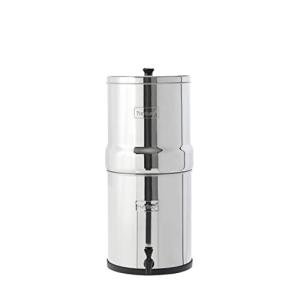
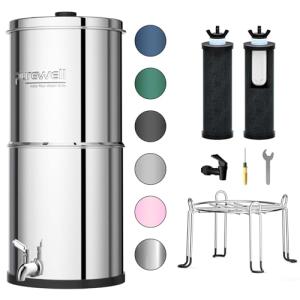
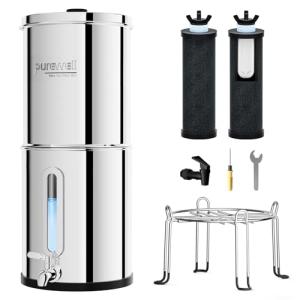
These no-electricity models rely on gravity to pull water through multiple filter stages. Classic examples include stainless steel or ceramic designs with upper and lower chambers. You pour water into the top, and clean water collects below. They’re excellent for off-grid living, power outages, or anyone who wants zero energy use. Filtration can take 30 minutes to a few hours for a full batch, but the results are worth the wait.
Countertop Reverse Osmosis Systems
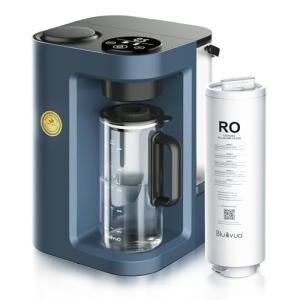
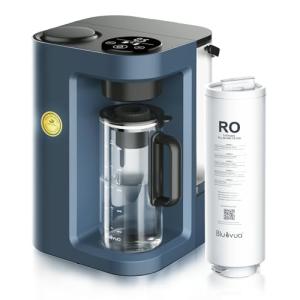
For the highest level of purification, countertop reverse osmosis (RO) units push water through a semi-permeable membrane under pressure. These systems excel at removing up to 99% of contaminants, including dissolved salts, fluoride, nitrates, and microscopic particles. Many include remineralization stages so the water doesn’t taste flat. They’re slightly larger but still countertop-friendly and often include storage tanks for instant access.
Electric Countertop Water Dispensers
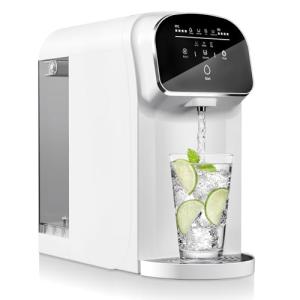
These modern marvels combine filtration with instant hot, cold, or sparkling water options. They connect directly to your faucet or have a reservoir you fill manually. Touch-button controls and child-safety features make them family favorites. Some even integrate UV sterilization for extra protection against bacteria.
Single-Stage Pitcher-Style and Faucet-Mounted Filters
While technically part of the countertop family, these smaller units offer basic chlorine and taste improvement. They’re budget-friendly entry points for those just starting their filtered-water journey.
Each type has its place. Gravity filters suit minimalists, RO systems appeal to purity seekers, and electric dispensers delight tech-savvy users who want convenience at the push of a button.
How Countertop Water Filters Work: The Science Behind Clean Water
Understanding the filtration process demystifies why countertop water systems perform so well. Most use a multi-stage approach. Water first passes through a sediment pre-filter that catches dirt, rust, and large particles. Next comes activated carbon, which adsorbs chlorine, volatile organic compounds (VOCs), and bad odors like a magnet pulling metal filings.
Ion exchange resins then swap harmful heavy metals for harmless sodium or hydrogen ions. In advanced models, a hollow-fiber membrane or reverse osmosis layer blocks bacteria, viruses, and microplastics. Some systems finish with a post-filter that polishes the water and adds back healthy minerals for optimal pH balance and taste.
The entire process happens quietly and efficiently right on your counter. Electric models speed things up with pumps, while gravity systems let nature do the work. Either way, you end up with water that looks clearer, smells fresher, and tastes noticeably better than straight tap water.
Choosing the Right Countertop Water System for Your Home
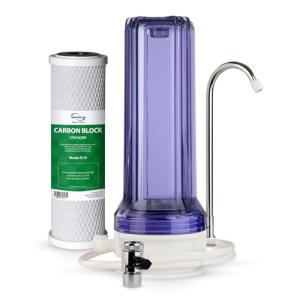
Selecting the best countertop water system involves a few key considerations. Start by testing your tap water or checking your local water quality report. If chlorine or taste is your main issue, a basic carbon filter works wonders. For comprehensive contaminant removal, look at RO or multi-stage gravity systems.
Capacity matters. Families of four might need a unit that processes 10–20 gallons daily, while singles or couples can get by with smaller models. Consider filter lifespan and replacement costs—some cartridges last six months, others up to a year.
Look for certifications from NSF/ANSI standards. These independent tests verify claims about contaminant reduction. Energy efficiency, noise level, and countertop footprint also play roles in your decision. Sleek designs with digital displays or smart app connectivity add modern appeal.
Budget ranges widely. Entry-level systems start under $50, while premium reverse osmosis or electric dispensers can reach several hundred dollars. Factor in long-term filter replacement costs to calculate true value.
Essential Features to Look for in Countertop Water Systems
The best countertop water filters include thoughtful features that enhance daily use. LED filter-life indicators remind you when it’s time for a change. Quick-connect faucet adapters make setup effortless. Removable reservoirs simplify refilling, and drip trays keep counters clean.
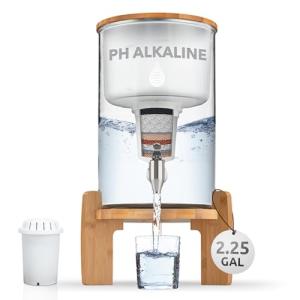
Material quality counts. Food-grade stainless steel or BPA-free plastics resist bacteria and last longer. Some units offer alkaline or mineral-boosting cartridges for those who prefer slightly elevated pH water. UV lights or antimicrobial coatings provide extra layers of protection in areas with questionable water safety.
Portability features like carrying handles or compact designs make moving the unit easy. Noise levels matter if the system sits near living areas—quieter pumps are preferable. Finally, warranty length and customer support availability can make or break your long-term satisfaction.
Installation and Maintenance Made Simple
One of the biggest reasons people love countertop water systems is the minimal setup. Most units arrive ready to use. For faucet-connected models, attach the diverter valve in under five minutes. Gravity filters require nothing more than unboxing and filling the reservoir.
Maintenance is equally straightforward. Rinse components monthly and replace filters according to manufacturer guidelines—usually every 3–12 months depending on water usage and quality. A quick wipe-down keeps the exterior looking new. Many systems include tools or instructions that make filter changes foolproof even for beginners.
Seasonal deep cleaning prevents buildup. Run a vinegar solution through the system periodically to remove any mineral deposits. Store spare filters in a cool, dry place so you’re never caught without fresh filtration.
Countertop Water Systems vs. Other Filtration Options
How do countertop water systems stack up against under-sink filters, refrigerator dispensers, or whole-house systems? Countertop units win for ease and flexibility. No plumbing means you can install them immediately and take them with you when you move. They’re often more affordable upfront and use less water than some RO systems.
Under-sink filters offer higher capacity but require installation and permanent space under the sink. Whole-house systems treat every drop but come with high costs and professional setup. Refrigerator filters are convenient but limited in what they remove and require frequent changes.
Countertop models strike the perfect balance for most households—powerful enough for daily drinking and cooking water without overkill. Many users start with a countertop system and later expand if needed.
Health and Environmental Advantages of Filtered Water
Drinking filtered water from a countertop system supports overall wellness. Reduced exposure to chlorine and contaminants may improve skin health, digestion, and energy levels. Better hydration becomes effortless when water tastes delicious.
On the environmental front, every gallon filtered at home means one less plastic bottle in circulation. Over a year, a family can prevent hundreds of bottles from reaching landfills. Many manufacturers now use recyclable packaging for filters, further reducing your carbon footprint.
By choosing a countertop water system, you invest in both personal health and planetary health—one glass at a time.
Frequently Asked Questions About Countertop Water Systems
Do countertop water systems remove fluoride? Some advanced RO models do, while basic carbon filters do not. Check specifications if fluoride removal is important to you.
How long do filters last? Most last 200–1500 gallons depending on the model and your water quality. Digital indicators make tracking easy.
Are they effective against bacteria? Many include stages that reduce or eliminate bacteria, especially those with UV or ceramic filters. RO systems provide the strongest protection.
Can I use them with well water? Yes, though you may need a pre-filter for high sediment levels common in private wells.
Is the water safe for babies and pets? Absolutely. Filtered water is often gentler and purer than unfiltered tap water for sensitive users.
These common questions highlight why countertop water systems continue to grow in popularity year after year.
Why Countertop Water Systems Are the Smart Choice in 2026 and Beyond
As water quality concerns evolve and sustainability becomes a priority, countertop water systems deliver practical, effective solutions for modern living. They combine advanced filtration technology with user-friendly design, making clean water accessible to everyone regardless of home setup or budget.
Whether you want to improve taste, protect your family from contaminants, or reduce plastic waste, there’s a countertop water system perfectly suited for your needs. Start exploring options today and experience the difference fresh, filtered water can make in your daily life. Your body, your wallet, and the planet will thank you.
Ready to upgrade your hydration routine? The world of countertop water systems offers something for every kitchen and every lifestyle. Invest in better water today and enjoy the benefits for years to come.