Pool sand filters are a game changer for keeping your pool water crystal clear. They use specially graded sand to trap dirt and debris, making clean-up a breeze. Easy to set up and maintain, these filters are perfect for anyone who wants a hassle-free swimming experience.
Pool Sand Filters
Get clean, sparkling water with sand filters that are easy to maintain and great for any pool size
Product List
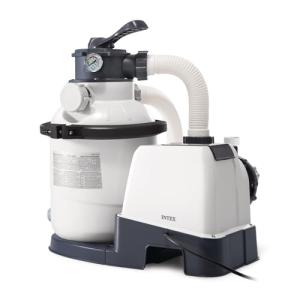
INTEX 1,500 GPH Filter Pump
Intex
Product Review Score
4.61 out of 5 stars
81 reviews$245.75 $159.99
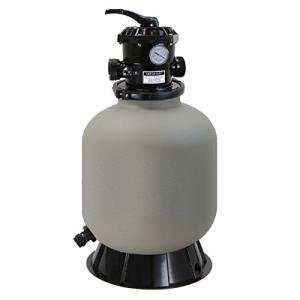
XtremepowerUS 16" Sand Filter
Xtremepowerus
Product Review Score
4.7 out of 5 stars
103 reviews$179.95
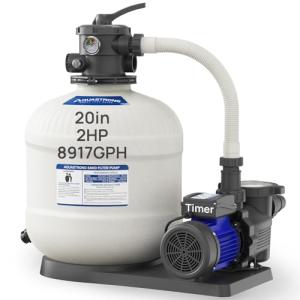
AQUASTRONG 20" Sand Filter Pump
Product Review Score
4.44 out of 5 stars
166 reviews$559.99 $503.97
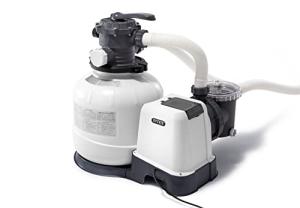
Intex 2,800 GPH Sand Pump
Intex
Product Review Score
4.43 out of 5 stars
108 reviews$227.92 $183.97
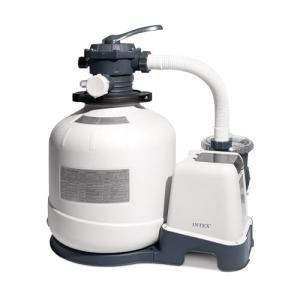
Intex 3,000 GPH Filter Pump
Intex
Product Review Score
4.15 out of 5 stars
67 reviews$233.95 $191.97
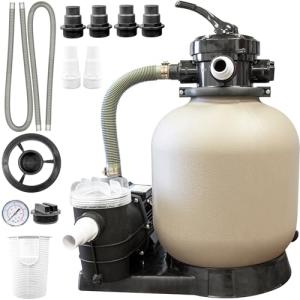
SWIMLINE HYDROTOOLS Complete Sand Filter Syst...
Product Review Score
4.36 out of 5 stars
44 reviews$189.75
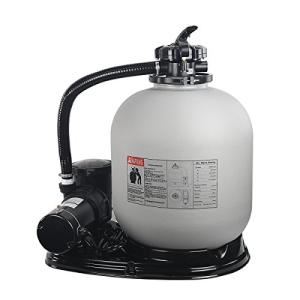
XtremepowerUS 19" Sand Filter 1.5HP Pump 4500...
Xtremepowerus
Product Review Score
4.31 out of 5 stars
43 reviews$349.95
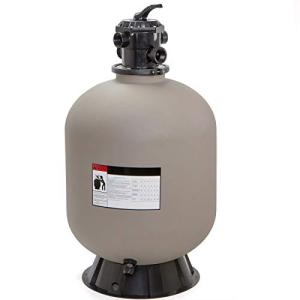
XtremepowerUS 24" Sand Filter Inground Ground...
Xtremepowerus
Product Review Score
4.13 out of 5 stars
70 reviews$560.95 $359.95
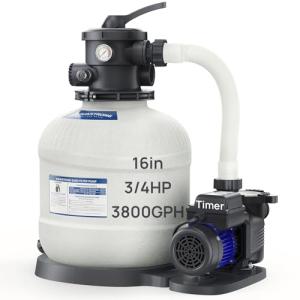
AQUASTRONG Sand Filter Pump for Above Ground...
Product Review Score
4.17 out of 5 stars
217 reviews$299.98
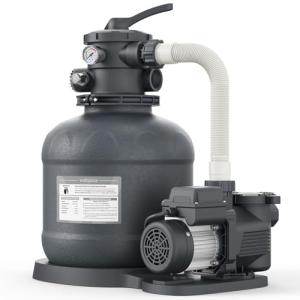
Vidapool Sand Filter Pump for Above Ground Po...
Product Review Score
4.23 out of 5 stars
214 reviews$249.99 $224.99
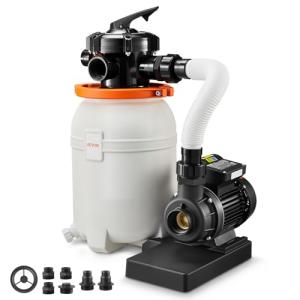
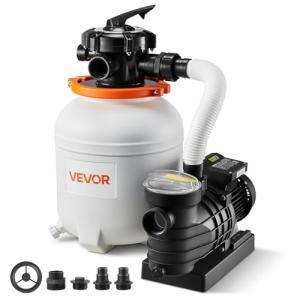
VEVOR 10 in Sand Filter Pump for Above Ground...
Vevor
Product Review Score
4.82 out of 5 stars
129 reviews$117.90
What Exactly Are Pool Sand Filters?
A pool sand filter is a large tank filled with specially graded silica sand (or sometimes alternative filter media like crushed glass or zeolite) that physically traps contaminants as pool water passes through it. Unlike cartridge filters that use pleated fabric or diatomaceous earth (DE) filters that use a fine powder, sand filters rely on the natural density and irregular shape of sand grains to create millions of tiny pathways. These pathways catch particles as small as 20-40 microns—think dust, pollen, body oils, and microscopic algae.
The entire system works as part of your pool’s circulation loop. Water is pulled from the pool by the pump, pushed through the sand bed under pressure, and returned clean and polished. Most pool sand filters come with a multi-port valve on top (sometimes called a 6-way valve) that lets you switch between filter, backwash, rinse, waste, closed, and recirculate modes with a simple turn of the handle. That valve is what makes daily maintenance so easy compared to other filter types.
Modern pool sand filters are built tough—usually from corrosion-resistant thermoplastic, stainless steel, or heavy-duty fiberglass—and they’re designed to handle the constant flow of chlorinated or saltwater pool water without breaking down. You’ll find them in every size from compact units for small above-ground pools all the way up to commercial-grade tanks that can filter thousands of gallons per minute.
How Do Pool Sand Filters Actually Work?
The magic happens inside the tank. Clean pool water enters through the top (or sometimes the side) and is forced downward through the sand bed. As the water winds its way between the sand grains, debris gets stuck while the clean water continues through a slotted underdrain at the bottom and back to the pool.
Over time—usually after 7-14 days of normal use—the sand bed gets loaded with particles and the pressure gauge on your filter starts to climb. That’s your signal to backwash. You simply turn the multi-port valve to “backwash,” which reverses the water flow. Clean water now shoots upward through the sand, lifts and tumbles the grains, and flushes the trapped dirt out through the waste line. After a few minutes the water runs clear again, you switch to “rinse” for 30-60 seconds to settle the sand bed, and you’re back in “filter” mode. The whole process takes less than ten minutes and uses only a few hundred gallons of water.
One of the best things about sand filters is that the sand itself lasts a long time—typically 3 to 7 years before it needs replacement, depending on how heavily your pool is used and how clean you keep the water. When it’s time, you simply drain the tank and pour in fresh filter sand (usually #20 or #30 grade). Some pool owners are now switching to recycled glass media or AFM (activated filter media) because these alternatives filter even finer particles and last longer while being more eco-friendly.
Key Benefits of Choosing Pool Sand Filters
Pool owners love sand filters for very practical reasons. First, they are incredibly low-maintenance. Once you learn the simple backwash routine, you can keep the filter performing at peak efficiency with just a few minutes every couple of weeks. No messy cartridges to clean every few days and no DE powder to handle.
They’re also budget-friendly both upfront and over the long haul. A solid sand filter system usually costs less than a comparable DE or high-end cartridge setup, and replacement sand is cheap and widely available. Energy efficiency is another big plus—most modern sand filters have large filter areas that allow lower pump speeds, which can save you money on your electric bill.
Durability is legendary. A well-made fiberglass or thermoplastic sand filter can easily last 15-20 years with basic care. They handle high flow rates beautifully, which is perfect for larger pools or when you want to run your pump at higher speeds for water features or solar heating. Plus, sand filters are forgiving—if you accidentally let the pressure get a little high or forget to backwash for an extra week, they still keep working without catastrophic failure.
Another hidden benefit: sand filters do a great job of polishing water clarity when paired with a good flocculant or clarifier. Many pool pros actually recommend sand filters for pools that see heavy bather loads because the media is so effective at trapping body oils and suntan lotion residue.
Pool Sand Filters vs. Cartridge and DE Filters: Which One Wins?
Let’s be honest—every filter type has trade-offs. Cartridge filters are the easiest to clean (just hose them off), but the cartridges themselves need replacing every 1-3 years and can be expensive. DE filters give you the finest filtration (down to 2-5 microns), but they require more frequent cleaning, careful powder handling, and more hands-on maintenance.
Pool sand filters strike the perfect middle ground for most homeowners. They offer excellent water clarity without the daily hassle, and they’re far more tolerant of poor water chemistry or occasional neglect. If your pool is 15,000 gallons or larger and you want set-it-and-forget-it performance, a sand filter is usually the smartest pick. For smaller spas or pools where ultra-fine filtration is critical, cartridge or DE might edge them out—but even then, many people still choose sand for its simplicity and lower long-term cost.
Types of Pool Sand Filters Available Today
You’ll mainly encounter three categories:
High-Rate Sand Filters – The most common choice for residential pools. They filter water at 15-20 gallons per minute per square foot of filter area, making them compact yet powerful. Perfect for most inground and above-ground pools up to 50,000 gallons.
Low-Rate Sand Filters – Older style that filters more slowly (around 5-10 GPM per sq ft). They take up more space but can produce slightly clearer water because the water moves through the sand more gently. Still popular in some commercial installations.
Above-Ground vs. Inground Models – Above-ground sand filters are usually smaller, easier to install, and often come as part of a complete pump-and-filter combo kit. Inground models are larger, higher capacity, and designed for permanent plumbing installation.
You can also find vertical tank filters (most common) and horizontal tank filters for tight equipment pads. Many newer models include built-in pressure gauges, sight glasses so you can see when the backwash water runs clear, and even automatic backwash valves that handle the cleaning cycle for you.
How to Choose the Right Pool Sand Filter Size for Your Pool
Size matters more than brand when it comes to performance. The golden rule is to match your filter’s flow rate to your pump’s output while giving yourself a little extra capacity. Most experts recommend that your sand filter should be able to handle your entire pool volume in 8-10 hours or less.
For example, a 24-inch diameter sand filter is usually perfect for pools up to 20,000 gallons, while a 30-inch or 36-inch tank is better for larger pools or when you want lower pressure and less frequent backwashing. Always check the manufacturer’s GPM (gallons per minute) rating and compare it against your pump’s performance curve.
Other factors to consider: your pool’s bather load (how many people swim regularly), whether you have a saltwater chlorinator (which can be harder on some plastics), and if you plan to add a heater, solar system, or water features that increase flow demands. Look for NSF-certified filters—they’ve been tested for performance and safety.
Easy Step-by-Step Installation Guide
Installing a pool sand filter is a straightforward weekend project for most handy homeowners. First, choose a level spot near your pool equipment pad with good drainage for the backwash line. Connect the pump outlet to the filter inlet using schedule-40 PVC pipe and proper unions or couplings. Plumb the filter outlet back to the pool return lines, and run a waste line from the multi-port valve to a drain or dry well.
Before adding sand, make sure the underdrain assembly is properly seated. Pour in the recommended amount of filter media (most 24-inch tanks take about 200-300 pounds of sand), then slowly fill the tank with water to avoid disturbing the bed. Prime the pump, set the valve to “filter,” and you’re ready to go. Always follow the manufacturer’s exact instructions—details like proper sand depth and initial backwash are crucial for long-term performance.
Maintenance Tips That Keep Your Sand Filter Running Perfectly
Backwash when the pressure gauge rises 8-10 psi above its clean reading. Replace the sand every 3-7 years. Inspect the multi-port valve o-rings and lubricate them with Teflon-based pool lube once a year to prevent leaks. Keep an eye on the sight glass during backwash—if water never clears completely, it might be time for fresh sand or a deeper clean.
Common troubleshooting: if pressure spikes too fast, you may have a clogged impeller or calcium buildup. If water flows poorly, check for air leaks in the suction line. Most issues are easy to fix with basic pool tools and a little patience.
Top Features to Look for in 2026 Pool Sand Filters
Today’s best pool sand filters include energy-efficient designs, oversized filter tanks for longer cycles between backwashes, and smart automation options that connect to your phone via Wi-Fi. Some even have transparent lids so you can see the sand bed without opening the tank. Look for UV-resistant materials if your equipment pad gets full sun, and consider models with a 10-year tank warranty for true peace of mind.
Many manufacturers now offer complete pump-and-filter combo kits that are pre-plumbed and easy to install. Whether you want a basic reliable workhorse or a premium system with all the bells and whistles, the pool sand filter category has options for every budget and pool size.
Frequently Asked Questions About Pool Sand Filters
How often should I backwash my sand filter?
Every 7-14 days or when pressure rises 8-10 psi. Heavy use or after a pool party may require more frequent backwashing.
Can I use pool sand filter with a saltwater system?
Absolutely. Just choose a filter with corrosion-resistant components and follow the manufacturer’s saltwater ratings.
What kind of sand do I need?
#20 or #30 grade silica sand specifically labeled for pool filters. Never use play sand or beach sand—they contain too much dust and fine particles.
Is it worth upgrading from an old sand filter?
Yes! Newer models use less energy, filter better, and require less maintenance. Many pool owners report noticeable water clarity improvement after upgrading.
How long do pool sand filters last?
With proper care, the tank can last 15-20+ years. The sand media needs replacement every few years, but that’s an inexpensive refresh.
Pool sand filters continue to be the go-to choice for millions of pool owners because they deliver reliable, crystal-clear water with minimal effort and cost. Whether you’re shopping for your first filter, replacing an aging system, or simply learning how to get the most out of your current setup, understanding these hard-working tanks is the key to enjoying your pool all season long.
Ready to find the perfect sand filter for your pool? Browse our full selection of top-rated pool sand filters, pump-and-filter combos, replacement parts, and filter media. Your cleanest pool water ever is just one smart purchase away.