Looking for a smooth and hassle-free pool experience? Diatomaceous Earth (DE) filters are your go-to solution for crystal-clear water. They grab the tiniest particles and keep your pool sparkling, so you can spend less time cleaning and more time enjoying your swim.
Pool DE (Diatomaceous Earth) Filters
The ultimate solution for crystal clear, sparkling pool water
Product List
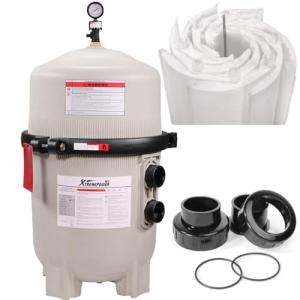
XtremepowerUS Pool Filter
Xtremepowerus
Product Review Score
4.53 out of 5 stars
230 reviews$729.95
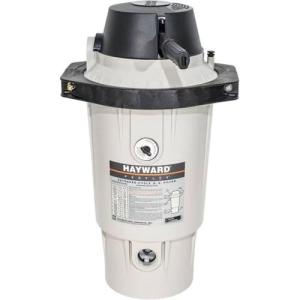
Hayward Diatomaceous Earth Filter
Hayward
Product Review Score
4.54 out of 5 stars
190 reviews$569.00
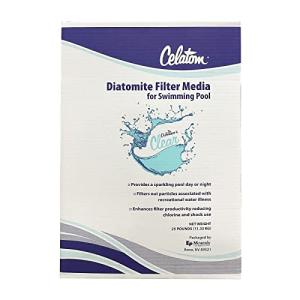
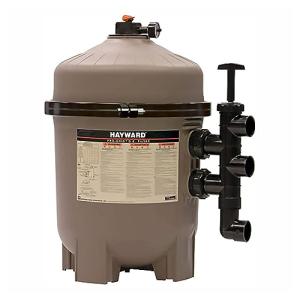
Hayward ProGrid DE Pool Filter
Hayward
Product Review Score
4.27 out of 5 stars
224 reviews$1,609.00
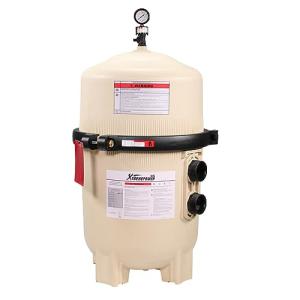
XtremepowerUS Diatomaceous Pool Filter
Xtremepowerus
Product Review Score
4.85 out of 5 stars
144 reviews$749.95
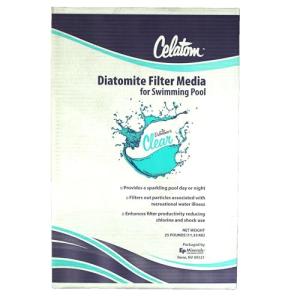
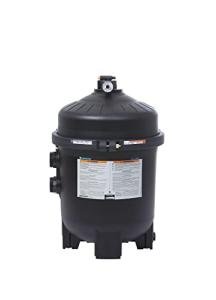
Hayward W3DE4820 ProGrid Diatomaceous Earth D...
Hayward
Product Review Score
4.52 out of 5 stars
107 reviews$1,479.99
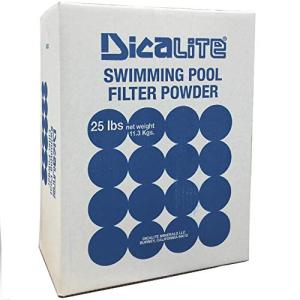
EASYGO PRODUCTS Dicalite Minerals DE25BOX Dia...
Product Review Score
4.27 out of 5 stars
120 reviews$38.77
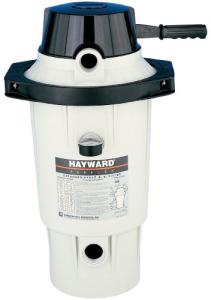
Hayward W3EC50AC Perflex Diatomaceous Earth P...
Hayward
Product Review Score
4.97 out of 5 stars
30 reviews$729.00
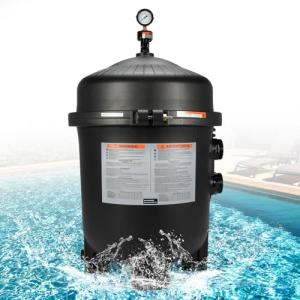
loosoo 36 Square Foot/72 GPM D.E. Pool Filter...
Product Review Score
4.45 out of 5 stars
188 reviews$869.99
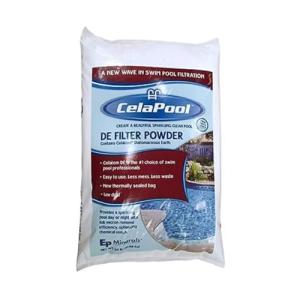
Celapool Low Dust Swimming Pool DE Filter Med...
Product Review Score
4.92 out of 5 stars
29 reviews$48.95
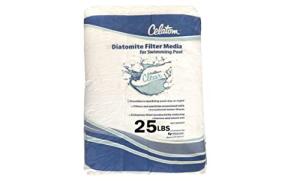
EasyGo Product Celatom Diatomaceous Earth DE...
Product Review Score
4.64 out of 5 stars
232 reviews$39.95
What Exactly Are Pool DE Filters?
Pool DE filters stand out in the world of swimming pool maintenance because they rely on diatomaceous earth, a remarkable natural substance made from the fossilized remains of tiny aquatic organisms called diatoms. This powder looks like fine white dust but works like a microscopic sieve. When you add it to your DE pool filter system, it coats the filter grids inside the tank, creating an incredibly fine barrier that captures debris as small as 2 to 5 microns.
Compare that to other filter types, and you'll quickly see why so many homeowners and pool professionals swear by diatomaceous earth pool filters. Sand filters typically handle particles down to about 20-40 microns, while cartridge filters manage around 10-20 microns. Pool DE filters give you that extra level of clarity that makes your water sparkle like a mountain lake. They're especially popular for inground pools, above-ground setups, and even commercial aquatic centers where water quality is non-negotiable.
Modern DE filters for pools come in a variety of sizes and configurations. You'll find vertical grid models, horizontal grid tanks, and even regenerative systems that make maintenance easier than ever. The tank itself is usually made of durable fiberglass or corrosion-resistant materials designed to handle years of exposure to pool chemicals and outdoor elements. Whether you have a small 15,000-gallon backyard pool or a sprawling resort-style setup exceeding 50,000 gallons, there's a pool DE filter sized perfectly for your needs.
How Do Diatomaceous Earth Pool Filters Actually Work?
The magic of pool DE filters happens in a beautifully simple yet highly effective process. Water from your pool is pulled through the skimmer and pump, then pushed into the filter tank. Inside, a series of fabric-covered grids or septa hold the diatomaceous earth in place. As the DE powder coats these grids, it forms a dense filter cake that traps dirt, algae, bacteria, and even microscopic contaminants that other systems let slip through.
Over time, this filter cake builds up with debris, and that's when the backwashing cycle comes into play. With most DE pool filter systems, you simply reverse the water flow to flush out the used earth and trapped particles. After backwashing, you add fresh diatomaceous earth—usually about 1-2 pounds per 10 square feet of filter area—and you're back in business with sparkling water again. It's a cycle that keeps your pool chemistry balanced and reduces the need for excessive algaecides or clarifiers.
One of the reasons DE filters for pools have remained popular for decades is their efficiency. They operate at lower flow rates than sand filters but deliver superior results. This means your pump doesn't have to work as hard, potentially saving you money on energy bills over the long run. Plus, the natural properties of diatomaceous earth help absorb oils and organic matter, leaving your pool water not just clean but genuinely healthier for swimmers.
Key Benefits of Choosing DE Pool Filters Over Other Systems
When it comes to pool filtration, the advantages of diatomaceous earth pool filters are hard to beat. First and foremost is the unmatched water clarity. Many pool owners report that switching to a pool DE filter transforms their water from "pretty good" to "looks like glass." This superior filtration removes particles that can harbor bacteria, making your pool safer and more enjoyable for the whole family.
Another big plus is chemical efficiency. Because DE filters trap so much more debris, you often need fewer chemicals to keep the water balanced. Less algae growth means less shock treatments and fewer hours spent testing and adjusting pH levels. Pool professionals frequently note that DE pool filters can reduce overall chemical usage by 20-30% compared to sand or basic cartridge systems.
Durability is another standout feature. High-quality DE filters for pools are built to last 10-15 years or more with proper care. The tanks resist cracking, the grids are reinforced, and many models include features like pressure gauges and easy-access lids for hassle-free maintenance. You'll also appreciate the versatility—DE systems work beautifully with both chlorine and saltwater pools, and they're compatible with most existing plumbing setups.
Environmental perks matter too. Diatomaceous earth is a natural, mined product that's biodegradable and safe for the environment when disposed of properly. Many pool owners love that they're using an earth-friendly filtration method instead of relying solely on synthetic cartridges that eventually end up in landfills.
From a cost perspective, while the initial investment in a pool DE filter might be slightly higher than a basic sand unit, the long-term savings on chemicals, energy, and replacement parts often make it the more economical choice. Plus, crystal-clear water means more time swimming and less time maintaining—priceless for busy families.
DE Filters vs Sand Filters vs Cartridge Filters: A Head-to-Head Comparison
Choosing the right pool filter can feel overwhelming, but breaking it down helps. Let's compare pool DE filters directly with the two other popular options.
Sand filters are the workhorses of the pool world—affordable, simple to operate, and great for larger debris. However, they struggle with finer particles, often requiring additional clarifiers or flocculants to achieve really clear water. Backwashing is straightforward, but you lose some water each time, and sand needs replacing every 3-5 years.
Cartridge filters offer excellent filtration down to about 10-20 microns and are incredibly easy to clean—just hose them off. They're ideal for smaller pools or owners who want minimal fuss. The downside? Cartridges can clog faster in heavy-use pools and need periodic replacement, which adds ongoing cost.
Now enter diatomaceous earth pool filters. They combine the best of both worlds with filtration down to 2-5 microns while still allowing for efficient backwashing. Yes, you do need to add fresh DE powder after each backwash, but many modern systems include automatic feeders or easy-add ports that make this quick and clean. The result is water clarity that consistently outperforms both sand and cartridge alternatives, especially in pools that see frequent use or have lots of trees nearby dropping pollen and leaves.
If your priority is the absolute clearest water possible with minimal chemical dependency, pool DE filters win hands down. For ultra-low maintenance in a smaller setup, cartridges might edge out. And if budget and simplicity are top concerns for a large pool, sand could still make sense. Most experts agree that for pools over 20,000 gallons or those where water clarity is a big deal, DE pool filters deliver the best overall performance.
How to Choose the Perfect Pool DE Filter for Your Swimming Pool
Selecting the right DE filter for pools isn't just about picking the biggest tank you can afford. Start by calculating your pool's volume and required flow rate. Most manufacturers rate their units by square footage of filter area—typically 30 to 100 square feet or more. A good rule of thumb is to choose a filter that can turn over your entire pool volume in 8-10 hours.
Consider your pump's horsepower and existing plumbing. DE pool filter systems perform best at flow rates between 20-50 gallons per minute depending on size. Too high a flow and you risk blowing DE off the grids; too low and filtration suffers. Look for models with oversized tanks if you entertain often or have a heavily used pool.
Features worth paying extra for include multi-port valves for easy backwashing, clear inspection lids so you can see when it's time to clean, and corrosion-proof components. Some premium diatomaceous earth pool filters even offer regenerative technology that reuses a portion of the DE, cutting down on powder usage and waste.
Don't forget climate considerations. In freezing winter areas, choose a filter with a drain port for easy winterization. For hot, sunny regions, prioritize UV-resistant tanks that won't fade or crack over time. Reading reviews from real pool owners in similar setups can provide valuable insights beyond manufacturer specs.
Essential Maintenance Tips to Keep Your DE Pool Filter Running at Peak Performance
Proper care is what separates a long-lasting pool DE filter from one that fails prematurely. The good news? Maintenance is straightforward once you get the hang of it. Start by monitoring your pressure gauge daily. When pressure rises 8-10 psi above the clean starting point, it's time to backwash.
Backwashing a DE filter is simple: set the multi-port valve to backwash, run for 2-3 minutes until the sight glass runs clear, then rinse briefly before returning to filter mode. After that, add fresh diatomaceous earth through the skimmer or a dedicated port—most systems tell you exactly how much is needed based on filter area.
Every few months, it's wise to deep clean the grids. Remove them, hose them down thoroughly, and inspect for tears or calcium buildup. A mild acid wash can dissolve mineral deposits that sometimes accumulate in hard water areas. Always follow manufacturer guidelines to avoid damaging the fabric.
Seasonal maintenance matters too. Before winter, drain the tank completely and store components indoors if possible. In spring, a thorough inspection and fresh DE charge gets your system ready for another season of crystal-clear swimming.
Pro tip: keep a supply of diatomaceous earth on hand along with a few spare grids. Having parts ready prevents those frustrating mid-summer pool downtime moments.
Installation Basics for Pool DE Filters
Installing a new diatomaceous earth pool filter is a manageable DIY project for many homeowners, though professional installation is always an option for complex setups. Begin by choosing the right location—level ground close to your pump and away from direct tree overhang.
Plumbing connections are usually straightforward with unions and threaded ports. Most DE pool filters include detailed instructions and even video guides from manufacturers. Ensure proper valve orientation so backwashing drains away from your house foundation.
After installation, prime the pump, fill the tank with water, and add the initial DE charge before running the system. Test for leaks and check pressure readings to confirm everything is working smoothly. Within hours, you'll notice the difference in water clarity as the filter cake establishes itself.
Common Questions About Pool DE Filters Answered
Is DE safe for pools? Absolutely. Food-grade diatomaceous earth is non-toxic and widely used in pool filtration worldwide.
How often do I need to add DE? After every backwash—it's quick and keeps filtration at maximum efficiency.
Can I convert my sand filter to DE? Not directly, but many pool owners upgrade to a complete DE system for better results.
What's the lifespan of a DE pool filter? With proper care, 10-15 years or more is common.
These frequently asked questions highlight why so many people are making the switch to pool DE filters every year.
Why Pool DE Filters Remain a Top Choice in 2026
In an era of smart pool technology and automation, diatomaceous earth pool filters continue to deliver unmatched performance. They offer that perfect balance of efficiency, clarity, and reliability that modern pool owners demand. Whether you're building a new pool or revitalizing an existing one, investing in a quality DE filter system means clearer water, lower maintenance costs, and more time enjoying your backyard retreat.
From small residential setups to large commercial installations, pool DE filters prove their worth season after season. The natural filtration power of diatomaceous earth simply can't be matched by synthetic alternatives when it comes to microscopic particle removal.
Ready to experience the difference? Browse our full selection of pool DE filters, complete with expert sizing recommendations and installation support. Your clearest pool water yet is just one smart upgrade away.