Keeping your outdoor space fresh and clean is a breeze with the right filters. Whether you’re maintaining a sparkling pond or just want to keep your garden looking its best, our filters make it happen. They’re user-friendly, durable, and designed to tackle dirt and debris, so you can enjoy your backyard oasis without the worry.
Garden / Pond Filters
Find the perfect filters to keep your outdoor spaces clean and vibrant
Product List
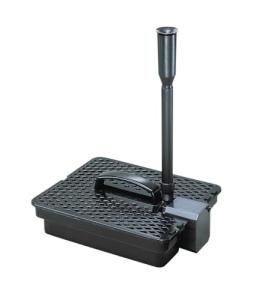
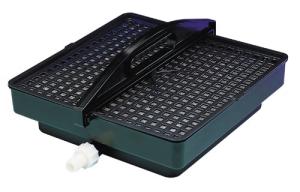
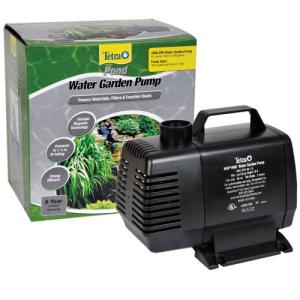
B002RB8S3G Water Filter Replacement
Product Review Score
4.59 out of 5 stars
86 reviews$31.49 $24.99
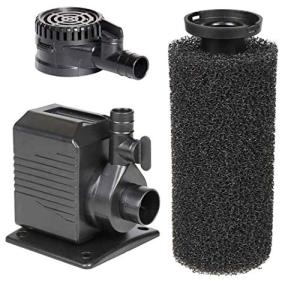
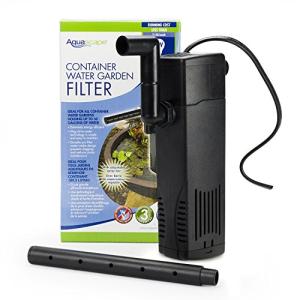
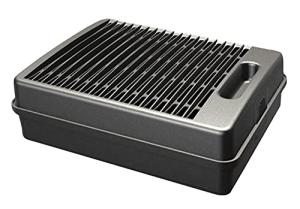
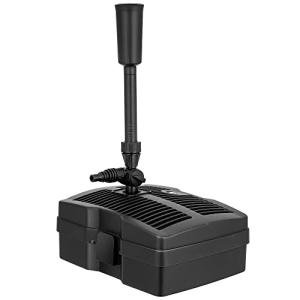
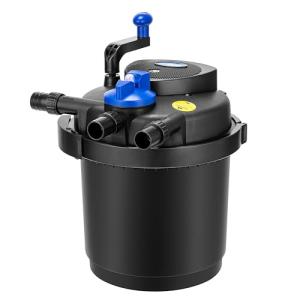
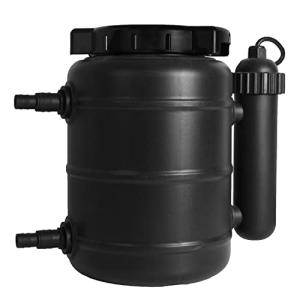
TotalPond Complete Pond Filter with UV Clarif...
Product Review Score
4.74 out of 5 stars
50 reviews$148.00
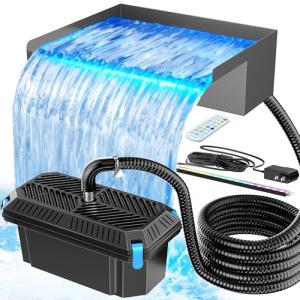
POPOSOAP 12INCH Pond Waterfall Spillway with...
Product Review Score
4.09 out of 5 stars
199 reviews$169.19 $152.99
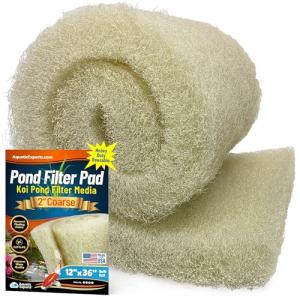
Aquatic Experts Cream COARSE Pond Filter Pad...
Product Review Score
4.1 out of 5 stars
91 reviews$49.99
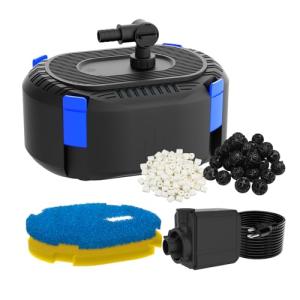
AquaMiracle Pond Filter Box with 4-Stage Filt...
Product Review Score
4.64 out of 5 stars
128 reviews$54.99
Why Every Garden Pond Needs a Reliable Filter
A garden pond is more than just a pretty water feature—it’s a living, breathing mini-ecosystem. Without proper filtration, debris from leaves, fish waste, uneaten food, and pollen quickly turns your pond into a murky, algae-filled swamp. Garden pond filters solve this by removing physical waste, neutralizing harmful toxins, and promoting beneficial bacteria that keep the water balanced.
Think about it: fish and plants rely on oxygen-rich, ammonia-free water to survive. In a natural pond, rivers and rainfall provide constant fresh water and filtration. In your backyard, you’re in charge. A quality pond filter mimics nature’s processes, ensuring your koi, goldfish, or native wildlife stay healthy year-round. Homeowners who invest in proper filtration report fewer algae blooms, healthier plants, and clearer water that lets them actually enjoy their pond instead of constantly cleaning it.
Beyond aesthetics, a well-filtered pond reduces maintenance time dramatically. Instead of weekly scrubbing, you’ll spend more time relaxing by the water. Plus, effective filtration helps control mosquitoes by keeping water moving and aerated—no stagnant breeding grounds allowed. For families with kids or pets, clean pond water means safer play areas and peace of mind.
How Garden Pond Filters Actually Work
Modern garden pond filters combine three core processes: mechanical, biological, and sometimes chemical or UV treatment. Mechanical filtration catches large particles like leaves and fish waste using foams, brushes, or screens. This first stage prevents clogs and keeps water flowing freely.
Biological filtration is where the magic happens. Beneficial bacteria colonies live inside the filter media and break down ammonia and nitrites—toxic byproducts of fish waste—into harmless nitrates that plants love as fertilizer. This nitrogen cycle is essential for long-term pond health.
Many systems add UV clarifiers that use ultraviolet light to kill free-floating algae and pathogens without chemicals, giving you that sought-after crystal-clear look. Some advanced garden pond filters even include pressurized designs that allow for easy backwashing and integration with waterfalls or fountains for extra aeration.
The key is matching the filter’s capacity to your pond’s volume. A good rule of thumb: your filter should process the entire pond volume at least once every two hours. For a 1,000-gallon pond, look for a filter rated for at least 500 gallons per hour (GPH) flow rate, preferably higher for heavily stocked ponds.
Types of Garden Pond Filters: Finding the Right Fit
Mechanical Pond Filters
Mechanical filters are the workhorses of any pond system. They use layered foam pads, filter brushes, or vortex chambers to trap debris before it settles on the bottom. These are ideal for smaller garden ponds or as pre-filters for larger biological units. Easy to clean and affordable, mechanical filters give instant results by removing visible waste and improving water clarity right away.
Biological Pond Filters
Biological filters focus on the invisible but crucial work of toxin removal. They contain media like ceramic rings, bio-balls, or lava rock that provide massive surface area for bacteria to colonize. Gravity-fed biological filters are popular for larger ponds because they work silently and efficiently with minimal energy use. If your pond has koi or multiple fish, a dedicated biological filter is non-negotiable for stable water parameters.
Pressurized Pond Filters
Pressurized garden pond filters are compact, powerful, and perfect for gardens where space is limited. They can be buried or hidden near the pond and handle higher flow rates while allowing backwashing without dismantling the unit. Many include built-in UV lights, making them all-in-one solutions for busy homeowners who want set-it-and-forget-it convenience.
Canister and Box Filters for Ponds
Canister-style pond filters offer multi-stage filtration in a sealed unit, great for medium-sized garden ponds. Box filters are simpler, surface-mounted options ideal for shallow ponds or those with fountain features. Both types excel at combining mechanical and biological stages in one easy-to-maintain package.
UV Pond Clarifiers and Sterilizers
While not full filters on their own, UV units are essential add-ons for garden pond filters. They zap microscopic algae that cause green water, working in harmony with mechanical and biological stages. Look for models with quartz sleeves for easy bulb changes and automatic shut-off features for safety.
Combined All-in-One Pond Filtration Systems
Today’s best garden pond filters combine everything—mechanical, biological, UV, and even oxygenation—in one sleek unit. These systems are perfect for first-time pond owners because they simplify setup and deliver professional results without complexity.
Key Benefits of Quality Garden Pond Filters
Investing in the right pond filtration system pays dividends in multiple ways. First, water clarity improves dramatically within days, letting you see every fish and plant detail. Second, fish health skyrockets with reduced stress from poor water quality, leading to vibrant colors and active behavior.
Plants thrive too—rooted aquatics and floating lilies absorb nitrates naturally when filters keep ammonia levels low. You’ll notice fewer blanket weed outbreaks and less need for chemical treatments that can harm beneficial insects or amphibians.
Energy efficiency is another big win. Modern garden pond filters use low-wattage pumps that run quietly while moving impressive water volumes. Many models feature energy-saving modes and durable components that last for years with proper care.
Environmentally, a well-filtered pond supports local wildlife. Frogs, dragonflies, and birds all visit cleaner ponds more frequently. Plus, you reduce water changes, conserving this precious resource in your garden.
Long-term cost savings are real: fewer dead fish, less algaecide, and lower vet bills for sick pond inhabitants add up quickly. Many gardeners report cutting maintenance time by 70% or more after upgrading their filtration.
Choosing the Best Garden Pond Filter for Your Setup
Selecting the perfect pond filter starts with knowing your pond’s specifics. Measure your water volume accurately (length × width × average depth × 7.5 for gallons in rectangular ponds). Factor in fish load—koi are heavy waste producers compared to goldfish. Consider sunlight exposure, nearby trees, and whether you want a waterfall or fountain feature.
Budget plays a role, but remember: cheap filters often cost more in the long run through frequent replacements or failed performance. Look for reputable brands with generous warranties and readily available spare parts like filter media and UV bulbs.
Installation location matters. Gravity-fed systems work best when the filter sits slightly above water level for easy cleaning. Pressurized units offer flexibility for hidden installations. Always match pump flow rate to filter specifications—too much flow and bacteria get washed away; too little and water stagnates.
Climate is crucial too. In colder regions, choose filters that handle freezing temperatures without cracking. Warmer climates benefit from stronger UV components to combat rapid algae growth.
Essential Features to Look for in Modern Pond Filters
Today’s garden pond filters come packed with smart features. Easy-clean mechanisms like backwash valves or removable media trays save hours of hassle. Indicator lights that signal when it’s time to clean or replace UV bulbs are game-changers.
Look for oversized filter chambers that hold more media for better biological performance. Adjustable flow controls let you fine-tune for different seasons. Weatherproof housings and UV-stabilized plastics ensure years of outdoor durability.
Some premium models include digital monitors for water temperature, flow rate, and even pH levels. Eco-conscious buyers appreciate filters made from recycled materials or those designed for low energy consumption.
Quiet operation is non-negotiable for garden enjoyment—nobody wants a noisy pump ruining the peaceful ambiance. Integrated pre-filters extend the life of main media and reduce cleaning frequency.
Step-by-Step Installation Guide for Garden Pond Filters
Installing your new pond filter doesn’t have to be intimidating. Start by choosing the right location—close to the pond but accessible for maintenance. For gravity systems, position the filter so water returns via a waterfall or fountain for natural aeration.
Connect the pump to the filter inlet using appropriately sized hose. Ensure all connections are secure with clamps to prevent leaks. Prime the system and test for proper flow before adding fish or plants.
Introduce biological media gradually if starting a new pond, or seed new filters with established media from an existing healthy pond to jump-start the nitrogen cycle. Most systems reach full effectiveness within 4-6 weeks.
Professional tip: bury cables and hoses neatly to keep your garden looking tidy. Consider adding a check valve to prevent back-siphoning during power outages.
Maintenance Tips to Keep Your Pond Filter Running Perfectly
Regular maintenance is the secret to long filter life. Rinse mechanical foams every 1-2 weeks during peak season using pond water—never tap water, which kills beneficial bacteria. Clean biological media gently in pond water only to preserve those hardworking microbes.
Replace UV bulbs every 6-12 months for maximum effectiveness, even if they still light up. Check hoses for blockages and pumps for wear seasonally.
In autumn, add a leaf net or ramp up mechanical filtration to handle falling debris. Winter care varies by climate—some filters can run year-round while others benefit from partial shutdowns with pond heaters.
Keep spare filter media on hand so you’re never caught without clean filtration. A simple logbook tracking cleaning dates and water tests helps spot patterns before problems arise.
Eco-Friendly and Sustainable Pond Filtration Options
Today’s gardeners increasingly choose planet-friendly garden pond filters. Look for units with energy-efficient pumps that use 30-50% less electricity than older models. Biological media made from recycled plastics or natural volcanic rock offer excellent performance with minimal environmental impact.
Solar-powered pond filters are gaining popularity for off-grid setups or sunny gardens. They eliminate electricity costs while providing gentle circulation perfect for wildlife ponds.
Some advanced systems incorporate wetland-style filtration using marginal plants in gravel beds—completely natural and beautiful. These hybrid approaches combine mechanical filters with living bio-filters for zero-chemical pond care.
Choosing durable, repairable filters instead of disposable ones reduces landfill waste and saves money over time. Many manufacturers now offer take-back programs for old units, making responsible disposal easy.
Common Pond Filter Problems and Simple Solutions
Even the best garden pond filters occasionally need troubleshooting. Cloudy water usually means insufficient mechanical filtration or a new pond still cycling—add more media or reduce fish feeding temporarily.
Low flow often signals clogged foams or a worn pump impeller. Regular cleaning fixes most issues quickly. Algae blooms despite UV? Check bulb age and flow rate—algae needs time exposed to UV to be neutralized.
Unpleasant odors indicate anaerobic conditions in the filter—clean thoroughly and ensure proper oxygenation. Fish gasping at the surface points to low oxygen, easily solved by adding an air stone or fountain.
With proper sizing and care, most problems are preventable. Our expert team is always happy to help match you with the ideal solution for your unique garden pond.
Frequently Asked Questions About Garden Pond Filters
How often should I clean my pond filter? Mechanical parts every 1-4 weeks depending on season and stocking levels. Biological media only needs gentle rinsing when heavily clogged, usually 2-3 times per year.
Can I use a pond filter without fish? Absolutely! Even plant-only or wildlife ponds benefit from filtration to control algae and maintain clear water.
What size filter do I need for my 500-gallon pond? Choose a model rated for at least 1,000-1,500 gallons per hour turnover for best results, especially if stocked with fish.
Are UV clarifiers safe for pond plants and fish? Yes—UV light only affects water passing through the unit and doesn’t harm established plants or fish when used correctly.
How long do pond filters typically last? With proper maintenance, 8-15 years or more. Quality construction and regular care make the difference.
Ready to Transform Your Garden Pond?
Whether you’re starting fresh or upgrading an existing setup, our extensive collection of garden pond filters offers solutions for every budget, pond size, and style. From compact pressurized units perfect for small urban gardens to robust biological systems built for large koi ponds, you’ll find everything you need to create and maintain the backyard oasis of your dreams.
Explore our full range today and discover why thousands of happy gardeners trust our filtration systems for reliable, long-lasting performance. Clear water, healthy fish, and more time enjoying your pond await. Your perfect garden pond filter is just a click away—let’s make your water feature the envy of the neighborhood.