Finding the right refrigerator and ice maker filters is a game changer for your home. These filters ensure your water and ice taste fresh and clean, so you can enjoy every sip and scoop without any weird flavors. Plus, replacing them regularly helps keep your appliance running smoothly and extends its life.
Refrigerator & Ice Maker Filters
Keep your ice and beverages fresh with top-quality refrigerator and ice maker filters
Product List
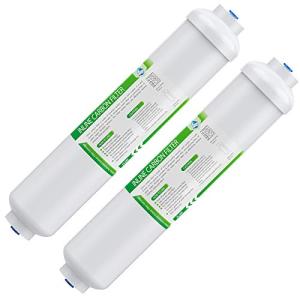
T33 Inline Water Filters - 2-Pack
Product Review Score
4.52 out of 5 stars
168 reviews$25.59 $20.99
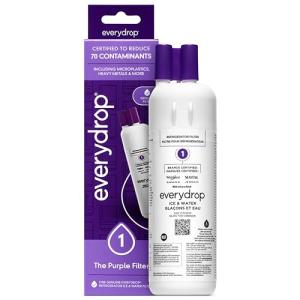
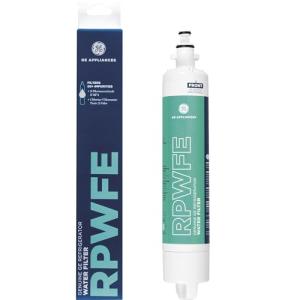
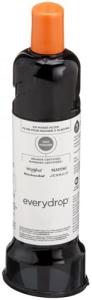
Whirlpool Ice Filter F2WC9I1
Everydrop By Whirlpool
Product Review Score
4.61 out of 5 stars
53 reviews$49.99
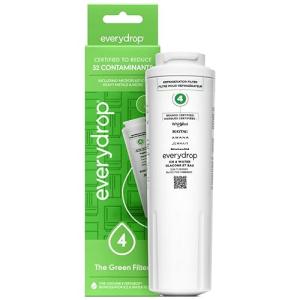
Whirlpool Everydrop Filter 4
Everydrop By Whirlpool
Product Review Score
4.76 out of 5 stars
90 reviews$59.99 $50.80
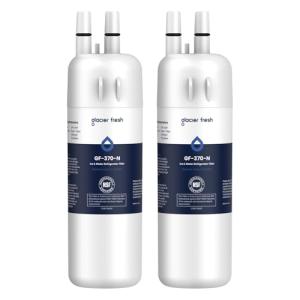
Glacier Fresh Water Filter Duo
Glacier Fresh
Product Review Score
4.44 out of 5 stars
166 reviews$35.99 $28.78
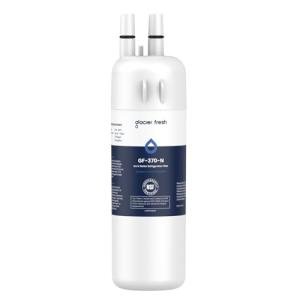
Glacier Fresh Water Filter
Glacier Fresh
Product Review Score
4.98 out of 5 stars
197 reviews$19.99 $15.99
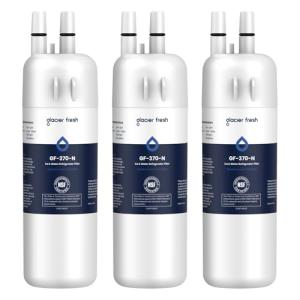
Glacier Fresh Water Filter - 3 Pack
Glacier Fresh
Product Review Score
4.11 out of 5 stars
68 reviews$45.99 $33.20
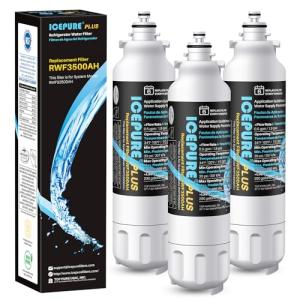
ICEPURE LG Water Filter 3-Pack
Icepure
Product Review Score
4.54 out of 5 stars
164 reviews$44.99 $39.99
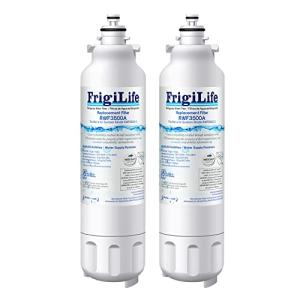
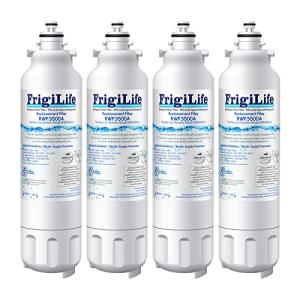
FrigiLife ADQ73613401 Filter 4-Pack
Product Review Score
4.16 out of 5 stars
176 reviews$32.99 $26.63
Why Refrigerator & Ice Maker Filters Matter More Than Ever
Your refrigerator does far more than just keep food cold. Many models now include built-in water dispensers and ice makers that pull directly from your home’s plumbing. Without proper filtration, you could be drinking water that contains chlorine, sediment, heavy metals, or even microscopic particles that affect taste and odor. Refrigerator & ice maker filters act as the final line of defense, delivering cleaner, better-tasting results right where you need them most.
Health-conscious families notice the difference immediately. Filtered water often tastes cleaner and lacks that chemical aftertaste common in unfiltered tap water. For ice makers, the benefits go even further: pure water means ice that freezes clearer, melts slower, and doesn’t pick up off-flavors from your freezer. Over time, using quality refrigerator filters also prevents scale buildup inside the appliance’s water lines, extending the life of your refrigerator and reducing costly repairs.
Beyond taste and appliance protection, these filters contribute to environmental sustainability. By filtering water at home, you reduce reliance on single-use plastic bottles. One refrigerator & ice maker filter can replace hundreds of bottled waters each year, cutting down on plastic waste while saving money. Many homeowners report saving hundreds of dollars annually simply by switching from bottled water to their filtered fridge supply.
Understanding the Different Types of Refrigerator Water Filters
Not all refrigerator & ice maker filters are created equal. Manufacturers design them to fit specific models and water conditions. The most common types include inline filters, cartridge-style filters, and built-in systems that connect directly to the fridge’s water line.
Inline refrigerator water filters sit between your home’s water supply and the refrigerator. They’re easy to install and often last longer because they handle higher flow rates. These work especially well for homes with older plumbing or higher sediment levels. Ice maker filters of this style ensure consistent water pressure reaches both the dispenser and the ice maker without slowing down production.
Cartridge-style filters slide into a dedicated housing inside or on the back of your refrigerator. These compact units use activated carbon and other media to trap impurities. Many popular refrigerator brands offer proprietary cartridges that snap in place with a simple twist. For ice makers, these cartridges often include extra stages that target minerals responsible for cloudy ice or scale.
Some premium refrigerators come with advanced multi-stage filtration systems. These may combine carbon blocks, sediment pre-filters, and even reverse osmosis technology in compact form. While more expensive upfront, they deliver restaurant-quality water and ice while removing a broader range of contaminants, including pharmaceuticals, pesticides, and volatile organic compounds that basic filters might miss.
How Refrigerator & Ice Maker Filters Actually Work
The magic happens through a combination of proven filtration technologies working together. Most refrigerator & ice maker filters start with a sediment pre-filter that catches larger particles like sand, rust, and dirt. This first stage protects the more delicate media that follows.
Next comes the heart of the system: activated carbon. This porous material, often made from coconut shells or coal, has an enormous surface area that adsorbs chlorine, chloramines, and organic compounds responsible for bad tastes and smells. Carbon also reduces certain chemicals that can affect the flavor of your ice cubes. Many advanced refrigerator filters add a second carbon stage or combine it with ion-exchange resin to reduce hardness minerals like calcium and magnesium.
For ice maker filters, manufacturers sometimes include specialized media that targets cyst reduction and lead. NSF-certified filters undergo rigorous testing to ensure they meet strict standards for contaminant reduction. When shopping for refrigerator & ice maker filters, look for certifications that match your local water concerns—whether it’s aesthetic issues like taste or health-related contaminants like lead or PFAS.
Flow rate matters too. Quality filters maintain strong water pressure so your dispenser fills glasses quickly and your ice maker produces cubes at a reliable pace. Poorly designed filters can cause sluggish flow or frequent clogging, frustrating users who expect convenience from their appliance.
Choosing the Right Refrigerator & Ice Maker Filters for Your Home
Selecting the perfect filter starts with knowing your refrigerator model. Manufacturers design filters to fit specific water inlet sizes and mounting systems. Using the wrong size can lead to leaks or reduced performance. Most refrigerator brands provide easy-to-use compatibility charts on their websites or in the owner’s manual.
Consider your local water quality next. If your municipal supply has high chlorine levels, prioritize filters with strong carbon capacity. Homes with well water might need extra sediment protection or specialized media for iron and sulfur. Ice maker owners in hard-water areas benefit from filters that reduce scale-forming minerals to prevent buildup inside the ice maker mechanism.
Filter capacity is another key factor. Most refrigerator & ice maker filters are rated for 200 to 300 gallons of water before replacement. Heavy users—families who fill water bottles daily or entertain often—may need higher-capacity options or more frequent changes. Some smart refrigerators now include filter-life indicators that alert you when it’s time for a fresh cartridge based on actual usage rather than guesswork.
Budget plays a role too. Generic refrigerator water filters often cost significantly less than OEM versions while still meeting the same NSF standards. Many third-party manufacturers engineer their products to exact specifications, offering identical fit and performance at a fraction of the price. Reading independent test results and customer reviews helps identify reliable alternatives that won’t void your refrigerator warranty.
Step-by-Step Guide to Replacing Your Refrigerator & Ice Maker Filters
Replacing filters doesn’t require plumbing skills or special tools. Most modern refrigerator & ice maker filters are designed for quick, tool-free installation that takes just minutes. Start by locating the filter housing—usually inside the refrigerator compartment, behind the crisper drawer, or on the back of the unit near the water line connection.
Turn off the water supply to the fridge before beginning. This prevents leaks and makes the process cleaner. Release any built-up pressure by dispensing a small amount of water first. Twist or push the old filter according to your model’s instructions, then discard it responsibly—many communities offer recycling programs for used water filters.
Before inserting the new refrigerator filter, flush it thoroughly. Manufacturers recommend running several gallons of water through the new cartridge to remove any carbon dust and ensure optimal performance from the first use. This step is especially important for ice makers, as it prevents any initial particles from affecting the taste of your first batches of ice.
After installation, reset the filter status light if your refrigerator has one. Run the water dispenser for a few minutes and discard the first few trays of ice to ensure everything is fully flushed. Monitor for leaks around the filter housing during the first day of use.
Signs It’s Time to Change Your Refrigerator & Ice Maker Filters
Even the best filters eventually lose effectiveness. Slow water flow from the dispenser often indicates a clogged filter that needs replacement. You might also notice a return of unpleasant tastes or odors in your water and ice—the very problems the filter was designed to eliminate.
Cloudy or discolored ice cubes signal that minerals or particles are passing through. Some users report their ice maker producing smaller or oddly shaped cubes when the filter restricts water pressure too much. Modern refrigerators with filter-life monitors make this easy, but even without digital reminders, paying attention to these warning signs keeps your water quality high.
Most experts recommend changing refrigerator & ice maker filters every six months regardless of usage. This schedule accounts for average household consumption and prevents performance degradation. Homes with higher water usage or poorer incoming water quality may need more frequent changes to maintain peak filtration.
Benefits of High-Quality Refrigerator & Ice Maker Filters
The advantages extend far beyond better-tasting water. Filtered water often encourages increased hydration because it simply tastes better than straight tap water. Families notice kids reaching for water instead of sugary drinks when the refrigerator dispenser delivers consistently great flavor.
Your ice maker performs better with filtered water. Pure water freezes into clearer, harder ice cubes that look more appealing in drinks and don’t dilute beverages as quickly. Coffee makers, tea kettles, and other kitchen appliances connected to the same filtered line also benefit from reduced mineral buildup, lasting longer and requiring less descaling.
Financially, investing in quality refrigerator & ice maker filters pays for itself quickly. The cost per gallon of filtered water works out to pennies compared to bottled water. Over five years, many households save thousands of dollars while enjoying greater convenience and reducing plastic waste.
From a health perspective, certified filters can reduce exposure to contaminants linked to various concerns. While no single filter removes every possible impurity, combining proper selection with regular replacement provides meaningful protection for daily consumption.
Common Myths About Refrigerator & Ice Maker Filters
Many homeowners wonder if they really need filters if their municipal water already meets safety standards. The answer is yes—municipal treatment focuses on killing bacteria but often leaves behind chlorine and other chemicals that affect taste. Refrigerator & ice maker filters provide that final polish for drinking water and ice.
Another myth suggests that all filters are basically the same. In reality, performance varies widely based on media quality, surface area, and testing standards. Cheap no-name filters may fit your fridge but fail to reduce contaminants effectively, giving a false sense of security.
Some people worry that filtered water removes beneficial minerals. While certain advanced systems do reduce mineral content, most standard refrigerator filters preserve healthy minerals while targeting harmful substances. The small amount of minerals removed has negligible impact on overall dietary intake compared to the benefits of cleaner water.
Maintaining Your Refrigerator & Ice Maker Filters for Long-Term Performance
Proper care extends filter life and maintains water quality. Avoid running extremely hot water through the system, as it can damage the filter media. If you plan to be away from home for extended periods, consider shutting off the water supply to prevent pressure-related issues.
Keep spare refrigerator & ice maker filters on hand so you never face a day without fresh filtration. Many online retailers offer subscription services that automatically ship replacements on your preferred schedule, taking the guesswork out of maintenance.
When replacing filters, take a moment to inspect the water lines and connections for any signs of wear. A quick visual check can prevent future leaks and ensure your entire system operates safely and efficiently.
Environmental Impact and Sustainability of Refrigerator Filters
Choosing eco-friendly refrigerator & ice maker filters aligns with modern values around sustainability. Many manufacturers now use recyclable materials in their cartridges and offer take-back programs for used filters. Some even produce filters with biodegradable components or reduced plastic packaging.
By using these filters, you actively participate in reducing single-use plastics. The average American uses hundreds of plastic water bottles yearly; a good refrigerator filter eliminates that need entirely while delivering fresher water on demand.
Energy efficiency matters too. Clean filters maintain optimal water flow, preventing your refrigerator’s pump from working harder than necessary. This small efficiency gain contributes to lower electricity bills over time.
Frequently Asked Questions About Refrigerator & Ice Maker Filters
People often ask whether generic filters work as well as original equipment manufacturer versions. In most cases, high-quality third-party filters meet or exceed the same standards while costing less. Always verify NSF certification and exact model compatibility.
Another common question involves installation difficulty. The vast majority of refrigerator & ice maker filters feature user-friendly designs that require no tools. Manufacturers include clear instructions and many offer helpful videos for specific models.
Questions about warranty concerns are frequent. Using properly certified aftermarket filters rarely voids refrigerator warranties when they match the manufacturer’s specifications. Always check your owner’s manual for details specific to your model.
Upgrading Your Kitchen with Smart Refrigerator & Ice Maker Filters
Technology continues to improve filtration options. Some newer refrigerators feature Wi-Fi connected filters that send replacement reminders directly to your phone. Others integrate advanced sensors that analyze water usage patterns and predict filter life more accurately.
Reverse osmosis systems designed specifically for refrigerators provide the highest level of purification for those with specific water quality concerns. While these systems produce wastewater, they remove the widest range of contaminants, making them ideal for areas with challenging water sources.
Whether you’re shopping for your first refrigerator filter or upgrading an older system, the market offers solutions for every budget and need. Taking time to understand your options ensures you choose refrigerator & ice maker filters that deliver years of reliable performance and great-tasting results.
Investing in quality filtration transforms an ordinary refrigerator into a source of fresh, clean water and ice you can trust. Your family deserves the best, and modern refrigerator & ice maker filters make achieving that simple, affordable, and convenient. From improved taste to appliance longevity and environmental benefits, these small but powerful devices deliver outsized value in every kitchen they serve.
Ready to upgrade your home’s water quality? Explore the wide selection of refrigerator & ice maker filters available today and discover how easy it is to enjoy better water and ice every single day. Your refrigerator will thank you, and your taste buds will notice the difference immediately.