What Are Tankless Water Systems?
Tankless water systems are modern hot water solutions that eliminate the need for a large storage tank. Traditional water heaters keep 40 to 80 gallons of water hot 24/7, even when nobody is using it. Tankless units, by contrast, sit quietly on a wall and only activate when you open a hot-water tap anywhere in the house. Cold water flows through a high-efficiency heat exchanger inside the unit, and within seconds you have steaming hot water at the perfect temperature.
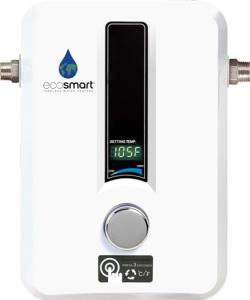
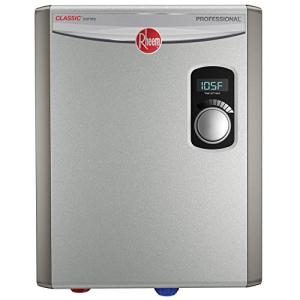
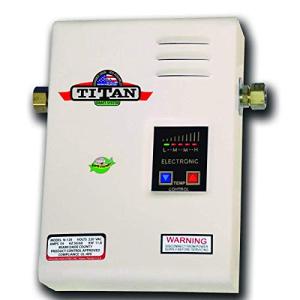
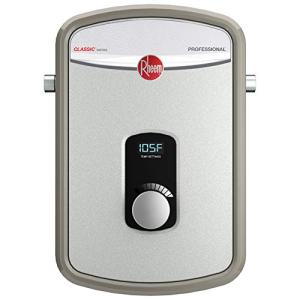
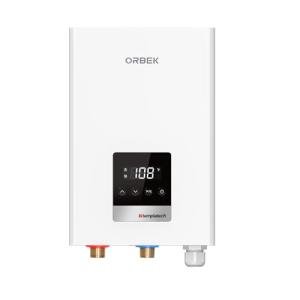
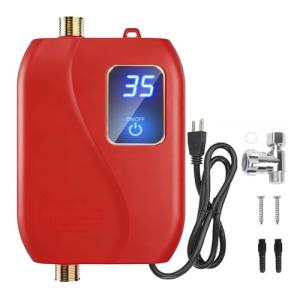
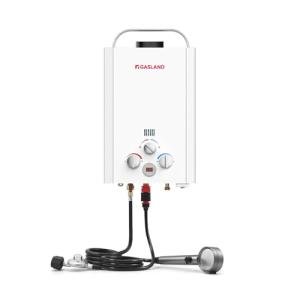
These systems come in two main varieties: whole-house models that supply every fixture in your home, and point-of-use models that serve a single sink, shower, or appliance. Whole-house tankless water systems are the most popular choice for families who want unlimited hot water throughout the property. Point-of-use units are perfect for garages, guest bathrooms, or RVs where you only need hot water in one spot.
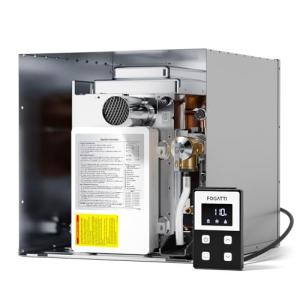
Because there’s no tank to store water, tankless water systems are dramatically smaller—often no bigger than a carry-on suitcase. That means you can install them almost anywhere: in a utility closet, on an exterior wall, or even in the attic. The space you free up is one of the first things homeowners notice and love about making the switch.
How Do Tankless Water Heaters Actually Work?
The technology inside a tankless water system is surprisingly straightforward yet incredibly efficient. When you turn on the hot water, a flow sensor detects the movement and instantly fires up the unit. A powerful burner (in gas models) or electric heating elements rapidly heat a copper or stainless-steel heat exchanger. Cold water rushes across the exchanger, picking up heat as it goes. Advanced temperature sensors and modulating controls keep the output steady no matter how many fixtures are running at once.
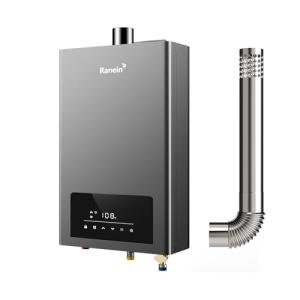
Most modern tankless water systems use condensing technology. This means they capture heat from the exhaust gases that would normally escape up a flue and recycle it back into the water-heating process. That single innovation can push energy efficiency ratings above 95 percent—something a conventional tank heater can only dream of.
Safety features are built in everywhere. Flame sensors, overheat protection, and automatic shut-off valves make sure the system only operates when it should. Digital displays and Wi-Fi connectivity on premium models even let you monitor temperature, check error codes, and schedule maintenance from your smartphone. It’s hot water that feels almost futuristic, but the engineering is rock-solid and proven in millions of homes worldwide.
Why Homeowners Love Tankless Water Systems: The Real Benefits
The advantages go far beyond just “endless hot water.” Let’s break down the biggest reasons families are choosing tankless water systems today.
First, energy savings are substantial. Because the unit only runs when you need hot water, you can cut your water-heating bills by 20 to 40 percent depending on your household size and usage habits. No more paying to keep 50 gallons of water hot around the clock.
Second, you get truly unlimited hot water. Back-to-back showers, filling a soaking tub, running the dishwasher and washing machine at the same time—none of it phases a properly sized tankless water system. That means no more cold surprises mid-shower and no more fighting over who gets the hot water first in the morning.
Third, tankless units last longer. With proper maintenance, many quality tankless water systems keep performing reliably for 20 years or more, compared to 8–12 years for a traditional tank. That longevity translates into fewer replacements and less hassle over the life of your home.
Fourth, they save space and look cleaner. No giant tank in the basement or garage means more room for storage, a workshop, or even a home gym. The sleek, wall-mounted design also improves the overall appearance of your utility area.
Fifth, tankless water systems are better for the environment. Higher efficiency means lower greenhouse-gas emissions, and the longer lifespan reduces waste sent to landfills. Many models also qualify for energy rebates and tax incentives that help offset the upfront cost.
Finally, modern tankless water systems offer precise temperature control. You can set the exact degree you want—great for households with small children or anyone who hates scalding or lukewarm water.
Gas vs Electric Tankless Water Systems: Choosing the Right Fuel
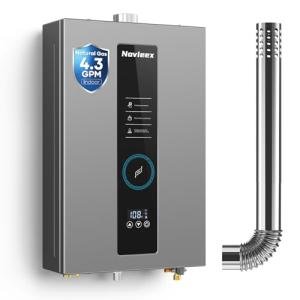
Not all tankless water systems are created equal when it comes to power source. Gas-powered units (natural gas or propane) deliver the highest flow rates and are ideal for larger homes with multiple bathrooms. They can supply 8–11 gallons per minute, easily handling two or three showers plus the kitchen sink at the same time. Installation usually requires a gas line and proper venting, but the operating cost is often lower in areas where natural gas is inexpensive.
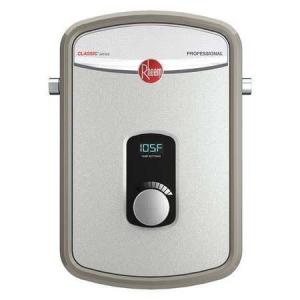
Electric tankless water systems have come a long way. They’re easier to install because they don’t need venting, and many newer models are nearly as powerful as gas units. They shine in smaller homes, mild climates, or as point-of-use boosters. If your home already has a strong electrical service (200-amp panel or higher), an electric tankless water system can be a clean, quiet, and maintenance-friendly choice.
Hybrid systems and heat-pump-assisted models are also entering the market, blending the best of both worlds for maximum efficiency. The right choice depends on your home’s existing utilities, climate, and hot-water demand. A professional installer can run the numbers and recommend the perfect match.
Whole-House Tankless Systems vs Point-of-Use Units
Whole-house tankless water systems are designed to replace your current water heater completely. One central unit serves every faucet, showerhead, and appliance in the home. These are the premium performers most people picture when they think “tankless.”
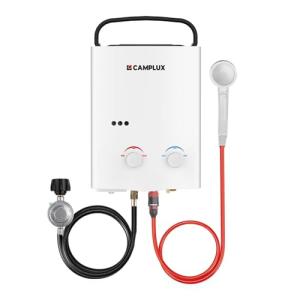
Point-of-use tankless water systems are smaller and more affordable. You install them right under a sink, inside a vanity, or near an outdoor hose bib. They provide instant hot water to that specific location without the heat loss that happens when hot water travels through long pipes. Many homeowners use a combination: a whole-house unit for the main living areas plus a point-of-use unit for a distant guest bathroom or workshop. This setup gives maximum efficiency and convenience.
Tankless Water Systems vs Traditional Tank Heaters: Head-to-Head
Let’s be honest—traditional tank water heaters have been around forever for a reason. They’re cheap upfront and simple to install. But the downsides add up quickly: constant energy loss (called standby loss), limited hot-water supply, larger footprint, shorter lifespan, and higher long-term operating costs.
Tankless water systems flip the script. Yes, they usually cost more to purchase and install initially. But within three to five years, most households recoup that investment through energy savings alone. After that, you’re essentially banking money every month while enjoying better performance and reliability. When you factor in the space savings, longer warranty, and peace of mind, the value proposition becomes very clear for most modern families.
How to Choose the Right Tankless Water System for Your Home
Size matters more than brand when it comes to tankless water systems. You need to calculate your peak hot-water demand—how many fixtures might run at once during the busiest time of day. A good rule of thumb is to add up the gallons-per-minute requirements of your most-used appliances and showers, then choose a unit that meets or exceeds that number even in the coldest incoming groundwater temperatures.
Look for high Uniform Energy Factor (UEF) ratings, stainless-steel heat exchangers for corrosion resistance, and modulating burners that adjust flame size for maximum efficiency. Smart features like recirculation pumps, freeze protection, and app connectivity are worth considering if you want the latest conveniences.
Don’t forget local water quality. Hard water areas may need a scale-prevention system or more frequent descaling maintenance to keep the heat exchanger performing at its best.
Installation of Tankless Water Systems: What Homeowners Should Know
Proper installation is critical for tankless water systems to deliver on their promises. A licensed plumber or certified installer will handle gas or electrical upgrades, water-line modifications, venting (for gas models), and condensate drainage. Many manufacturers require professional installation to keep the warranty valid, so it’s smart to budget for that upfront.
The good news? Once installed correctly, tankless water systems are remarkably low-maintenance. Annual flushing in hard-water areas and occasional filter cleaning are usually all that’s needed to keep them running smoothly for decades.
Maintenance Tips That Keep Your Tankless Water System Running Like New
Unlike tank heaters that quietly rust from the inside out, tankless water systems are transparent about their needs. A simple annual service—usually just a vinegar flush—removes mineral buildup and restores peak efficiency. Many units now have built-in diagnostics that alert you when it’s time for service. Following the manufacturer’s recommendations keeps efficiency high and extends the warranty coverage.
Cost Breakdown: Are Tankless Water Systems Worth the Investment?
Expect to pay between $1,200 and $3,500 for the unit itself, plus $1,000 to $3,000 for professional installation depending on complexity. That sounds like a lot compared to a $600 tank replacement, but remember the payback. Lower monthly utility bills, fewer repairs, and a 20-year lifespan make tankless water systems one of the smartest long-term investments you can make in your home. Many utility companies and government programs offer rebates that can cut the effective cost even further.
Leading Brands in Tankless Water Systems
Reputable names like Rinnai, Navien, Rheem, Takagi, Noritz, and Bosch have earned trust through decades of reliable performance. Each offers different strengths—some excel in cold climates, others focus on ultra-quiet operation or Wi-Fi integration. Reading recent customer reviews and talking to local installers will help you narrow down the best tankless water system for your specific needs.
The Environmental Upside of Tankless Water Systems
By using less energy and lasting longer, tankless water systems reduce your carbon footprint without forcing you to change your daily habits. That combination of comfort and conscience is exactly why eco-conscious homeowners are making the switch in growing numbers.
Frequently Asked Questions About Tankless Water Systems
Will I really never run out of hot water? Yes—when properly sized, a tankless water system provides continuous hot water for as long as you need it.
Do tankless water systems work in cold climates? Absolutely. Modern units are engineered to handle freezing incoming water and often include built-in freeze protection.
Is the water pressure affected? Most people actually notice better pressure because there’s no dip in performance as the tank depletes.
How long do tankless water systems last? With regular maintenance, 20 years or more is common—nearly double the life of a tank heater.
Can I install one myself? While point-of-use electric models are DIY-friendly, whole-house systems almost always require professional installation for safety and warranty reasons.
Ready to Upgrade to a Tankless Water System?
Tankless water systems represent one of the smartest, most practical upgrades a homeowner can make. They deliver instant comfort, significant energy savings, space efficiency, and long-term reliability—all wrapped in a compact, modern package. Whether you’re tired of lukewarm showers, planning a kitchen remodel, or simply want to lower your carbon footprint and utility bills, a tankless water system checks every box.
The technology has matured, the prices have become more accessible, and the benefits have never been clearer. If you’re ready to experience endless hot water on demand, now is the perfect time to explore the tankless water systems that fit your home and lifestyle. Your future self—and your monthly energy bill—will thank you.