Your family deserves water they can trust at every tap. A whole house water filtration system delivers exactly that — reliable, high-quality water that supports healthier living every single day. Take the first step toward cleaner water today and enjoy the peace of mind that comes with knowing your home’s water is truly protected.
Whole House Water Filtration Systems
Product List
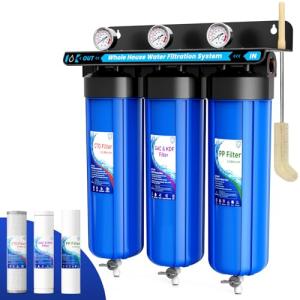
Whole House Water Filter System, 3 Stage Whol...
Product Review Score
4.69 out of 5 stars
155 reviews$370.99 $269.99
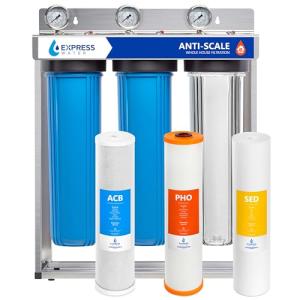
Express Water Whole House Water Filter System...
Express Water
Product Review Score
4.84 out of 5 stars
169 reviews$527.99
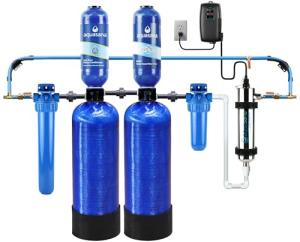
Aquasana Whole House Well Water Filter | 500K...
Product Review Score
4.33 out of 5 stars
157 reviews$2,697.00
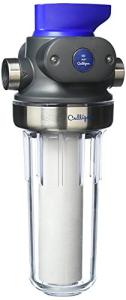
Culligan WH-S200-C Whole House Water Filter H...
Culligan
Product Review Score
4.26 out of 5 stars
109 reviews$26.94
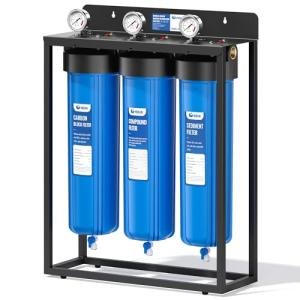
HQUA WF3-02 3-Stage Free-Standing Whole House...
Product Review Score
4.61 out of 5 stars
49 reviews$379.99
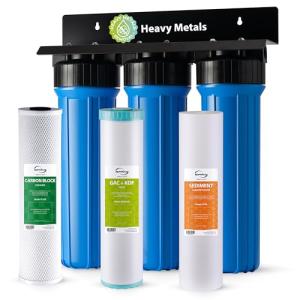
iSpring WGB32B-KS Whole House Water Filter Sy...
Ispring
Product Review Score
4.17 out of 5 stars
129 reviews$449.99 $404.98
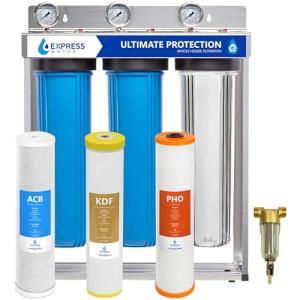
Express Water Whole House Water Filter System...
Express Water
Product Review Score
4.32 out of 5 stars
66 reviews$647.99 $615.59
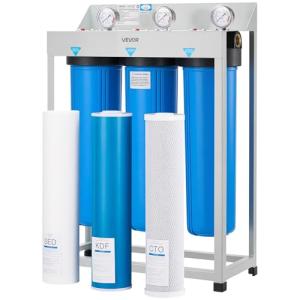
VEVOR Whole House Water Filter System, 3-Stag...
Vevor
Product Review Score
4.42 out of 5 stars
161 reviews$289.90
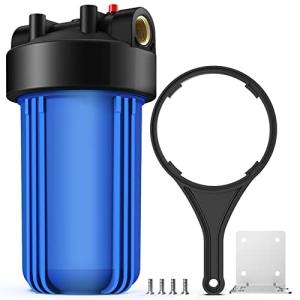
SimPure 10" Whole House Filter
Simpure
Product Review Score
4.76 out of 5 stars
112 reviews$49.99 $46.59
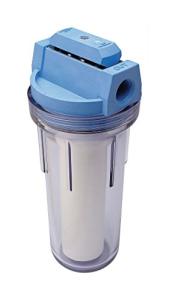
Culligan HF360 Sediment Filter
Culligan
Product Review Score
4.09 out of 5 stars
99 reviews$44.99 $29.53
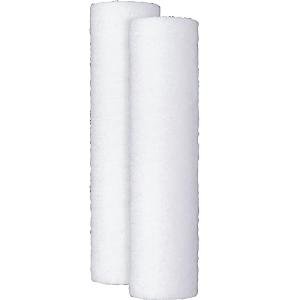
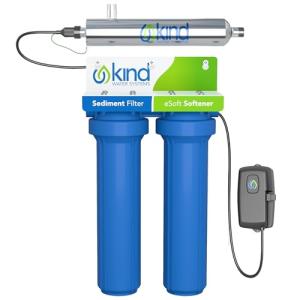
What Exactly Are Whole House Water Filtration Systems?
A whole house water filtration system, sometimes called a point-of-entry (POE) filter, is installed where the main water line enters your home. It treats every drop of water used for drinking, cooking, bathing, washing clothes, and even flushing toilets. This single installation point means you don’t have to worry about multiple small filters scattered around the house.
Most systems use a series of filtration stages housed in large tanks or cartridges connected to your main water supply. The water passes through these stages under normal household pressure, removing impurities while maintaining strong flow rates for showers, dishwashers, and garden hoses. Many modern units combine mechanical filtration, chemical adsorption, and sometimes UV light or salt-free conditioning in one compact setup.
Because they handle high volumes of water (often 10–20 gallons per minute or more), whole house water filters are built tougher than countertop or faucet-mounted models. They’re designed for years of reliable service with minimal maintenance, making them ideal for busy families who want set-it-and-forget-it protection.
Why Your Home Needs a Whole House Water Filter
Tap water in the United States is among the safest in the world, yet it still contains dozens of substances most people would rather avoid. Chlorine and chloramines are added for disinfection but can create byproducts linked to health concerns. Old pipes may leach lead, copper, or iron. Agricultural runoff introduces nitrates and pesticides. Even “clean” municipal water often carries PFAS, microplastics, and volatile organic compounds.
Well water owners face different challenges: high iron that stains fixtures, sulfur that smells like rotten eggs, hardness that destroys water heaters, and bacteria that can make your family sick. A whole house water filtration system tackles all these issues at once, giving you peace of mind every time you fill a glass or step into the shower.
Beyond health, there are practical reasons. Unfiltered water shortens the life of water heaters, dishwashers, washing machines, and coffee makers by causing scale buildup and corrosion. Your skin and hair feel the difference too — chlorine strips natural oils, leaving skin dry and hair brittle. Many people notice softer skin, shinier hair, and fewer breakouts within weeks of installing a whole home water filter.
And let’s talk taste. Water that tastes and smells like a swimming pool becomes crisp, clean, and refreshing. Ice cubes look clearer, coffee tastes richer, and home-cooked meals shine because the ingredients aren’t fighting off chemical flavors.
How Whole House Water Filtration Systems Actually Work
The magic happens in stages. Most quality systems use a multi-stage approach rather than a single filter. Here’s the typical journey your water takes:
First comes a sediment pre-filter. This large-capacity cartridge catches sand, rust, dirt, and other visible particles that would otherwise clog later stages. It’s like the bouncer at the door, keeping the big stuff out.
Next is usually activated carbon or catalytic carbon. These materials have millions of tiny pores that trap chlorine, chloramines, VOCs, pesticides, and odors through adsorption — the same technology used in high-end water pitchers but scaled up for your entire home.
Many systems add a specialized media layer for heavy metals or hardness. KDF media, for example, uses a copper-zinc alloy to neutralize chlorine and reduce iron, hydrogen sulfide, and heavy metals through a redox reaction.
For homes worried about bacteria or viruses, an ultraviolet (UV) light stage zaps microorganisms with high-intensity UV-C rays, destroying their DNA so they can’t reproduce. UV is chemical-free and works instantly as water flows past the lamp.
Some advanced whole house water filtration systems include reverse osmosis (RO) at the whole-house level, though these are less common because they waste water and require more maintenance. Most families choose a hybrid system that combines carbon filtration with salt-free conditioning to reduce scale without removing healthy minerals.
Finally, the filtered water heads out to every fixture in your home. The whole process is completely automatic — no switches, no waiting, just consistently clean water 24/7.
Different Types of Whole House Water Filtration Systems
Not all whole home water filters are created equal. Understanding the main types helps you match the right system to your water problems.
Sediment-Only Filters: Perfect for well water loaded with sand or city water with occasional rust. These basic units focus on clarity but don’t remove chemicals or microbes.
Carbon-Based Systems: The most popular choice for municipal water. They excel at removing chlorine, improving taste, and reducing common chemicals. Look for systems with catalytic carbon if your city uses chloramines.
Multi-Stage Filtration Systems: These combine sediment, carbon, KDF, and sometimes specialty media. They’re the sweet spot for most homes — comprehensive protection without overkill.
UV Whole House Systems: Often paired with carbon filtration for well water or areas prone to boil-water advisories. The UV stage guarantees microbiological safety.
Salt-Free Water Conditioners + Filters: Great for hard water areas. Instead of removing minerals like traditional softeners, these systems crystallize hardness so it doesn’t stick to pipes or fixtures. Many include built-in carbon filtration.
High-Flow Commercial-Grade Systems: Designed for large homes or families that love long showers. They maintain excellent pressure even with multiple fixtures running at once.
Premium manufacturers now offer smart systems with filter-life monitors, app alerts, and bypass valves so you never run out of filtered water during maintenance.
Key Benefits of Installing a Whole House Water Filtration System
The advantages go far beyond clean drinking water. Here’s what real homeowners experience:
Health Protection: Reduced exposure to chlorine byproducts, heavy metals, and emerging contaminants like PFAS. Children and elderly family members especially benefit from cleaner water.
Better Skin and Hair: No more chlorine-induced dryness or irritation. Many people report fewer rashes, softer skin, and less need for lotions after switching to filtered shower water.
Appliance Longevity: Water heaters, washing machines, and dishwashers last years longer without scale or sediment damage. Some families save hundreds on repairs and replacements.
Cost Savings Over Time: Stop buying bottled water, plastic pitchers, or replacement faucet filters. A good whole house system pays for itself within 2–4 years for most households.
Convenience: Every tap is ready to use. No filling pitchers or waiting for under-sink tanks to refill. Guests notice the difference immediately.
Environmental Impact: Dramatically cut plastic waste from bottled water. Many systems are made with recyclable materials and use no electricity (except UV models).
Home Value: A professionally installed whole house water filter is a selling point when you eventually list your home. Buyers love knowing the water is already protected.
Choosing the Right Whole House Water Filtration System for Your Needs
Selecting the perfect system starts with knowing your water. Get a free or low-cost water test from your local supplier or use an at-home kit that checks for chlorine, hardness, iron, pH, and common contaminants. Well owners should test for bacteria, nitrates, and arsenic at minimum.
Next, calculate your household’s peak flow rate. A family of four with two bathrooms might need 15–20 gallons per minute. Undersizing causes pressure drops during showers; oversizing wastes money.
Consider your home size and pipe diameter. Most standard systems fit ¾-inch or 1-inch main lines. Larger homes or those with 1¼-inch pipes need bigger units.
Budget matters, but focus on value. Entry-level carbon systems start around $800–$1,200 installed. Premium multi-stage or UV systems range from $1,500–$3,500. Factor in annual filter replacement costs — usually $100–$300 per year depending on water quality.
Look for systems certified by NSF/ANSI standards for the contaminants you’re targeting. Independent lab testing and warranties of 5–10 years on tanks and valves are good signs of quality.
Finally, think about future needs. Growing families, home additions, or changing water sources all affect your choice. Many people upgrade to a larger capacity system after a few years of great results.
Installation: DIY or Professional?
Installation is straightforward for handy homeowners but requires basic plumbing skills. You’ll need to shut off the main water supply, cut into the incoming pipe, and install the filter housing with bypass valves and pressure gauges. A sediment pre-filter and shut-off valves make future maintenance much easier.
Most people hire a licensed plumber for peace of mind. Professional installation usually takes 2–4 hours and includes pressure testing and startup flushing. Expect to pay $300–$800 depending on location and complexity.
After installation, run water for 10–15 minutes to flush out any carbon dust or manufacturing residue. Change the first set of filters after 1–3 months to remove any initial buildup, then follow the manufacturer’s schedule.
Maintenance and Filter Replacement Made Simple
Whole house water filtration systems are surprisingly low-maintenance. Most sediment and carbon filters last 6–12 months. UV lamps need annual replacement. Digital monitors on newer models tell you exactly when it’s time to change cartridges.
Replacement is easy: shut off the bypass valves, unscrew the housing, drop in fresh filters, and reopen the valves. The whole job takes 10–15 minutes and requires no tools beyond a wrench. Many suppliers offer subscription services that ship the right filters right before you need them.
Keep an eye on water pressure. A noticeable drop usually means it’s time for a filter change. Annual sanitization of the system prevents bacterial growth inside the tanks.
Cost Breakdown: What to Expect
Initial investment includes the system itself plus installation. Over time, the math works strongly in your favor. A typical family spends $400–$600 per year on bottled water alone. Add in appliance repairs and skin-care products, and the savings add up fast.
Many utility companies offer rebates for water-efficient upgrades, and some states provide tax credits for filtration systems that reduce plastic waste. Financing options through retailers make premium systems affordable with monthly payments under $100.
Whole House Water Filtration vs. Other Options
Under-sink or countertop filters treat only drinking water and require multiple units for full-home coverage. Refrigerator filters miss showers and laundry. Pitchers are convenient but slow and limited in capacity.
Whole house systems give you consistent quality everywhere without the hassle of refilling or replacing small cartridges constantly. They also protect your plumbing investment in ways point-of-use filters never can. For most families, the whole home water filter approach is the smartest long-term solution.
Frequently Asked Questions About Whole House Water Filtration Systems
Will it lower my water pressure? Quality systems are engineered for minimal pressure drop. A properly sized unit maintains excellent flow even with multiple taps running.
Do I still need a water softener? Many whole house filters include salt-free conditioning. If you have extremely hard water, you can pair a softener with a carbon filter for the best of both worlds.
Are these systems safe for well water? Absolutely. UV and multi-stage systems are specifically designed for private wells and handle bacteria, iron, sulfur, and tannins effectively.
How long do they last? Tanks and valves often carry 10-year warranties. With regular filter changes, the entire system can serve your family for 15–20 years or more.
Can I install it myself? Yes, if you’re comfortable with basic plumbing. Otherwise, professional installation ensures everything is leak-free and code-compliant.
Ready for Cleaner Water Throughout Your Home?
Whole house water filtration systems represent one of the smartest investments you can make for your family’s health, comfort, and budget. From the moment you install one, every shower feels softer, every glass of water tastes better, and every appliance runs cleaner and longer.
Whether you’re building a new home, remodeling an older property, or simply tired of questionable tap water, there’s a whole home water filter perfectly suited to your needs. Start by testing your water, calculate your flow requirements, and choose a certified system from a trusted manufacturer. The difference is immediate and lasting.