HEPA filters are a game changer for anyone wanting to breathe cleaner air at home or work. These filters trap tiny particles like dust, pet dander, and pollen, helping you feel better and keep your space fresh. Whether you need one for an air purifier, vacuum, or HVAC system, we've got you covered with a variety of options to fit your needs.
HEPA Filters
Breathe easier with our top-quality HEPA filters that trap allergens and improve your air quality
Product List
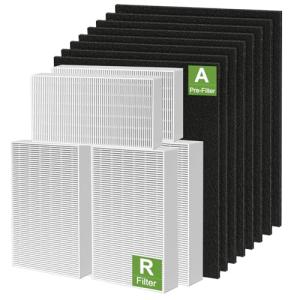
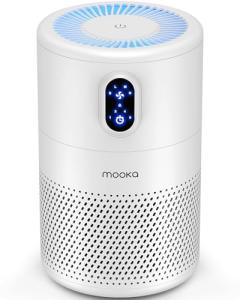
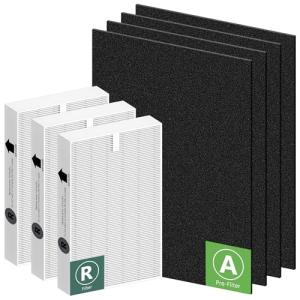
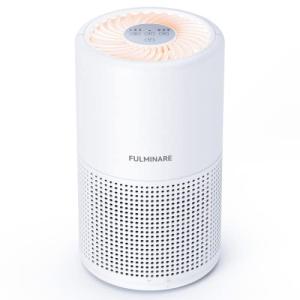
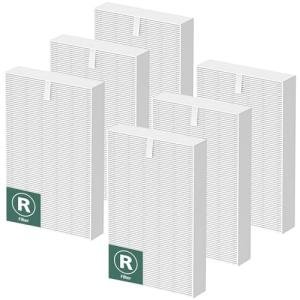
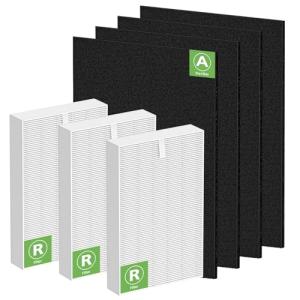
Honeywell HPA300 HEPA Filters, 6 Pack
Cabiclean
Product Review Score
4.7 out of 5 stars
189 reviews$35.79 $29.98
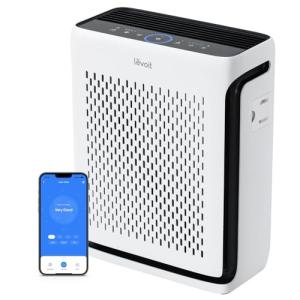
LEVOIT Vital 100S Air Purifier
Levoit
Product Review Score
4.94 out of 5 stars
199 reviews$139.99 $113.95
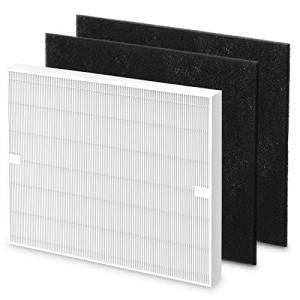
Coway AP-1512HH Filter Set
Cabiclean
Product Review Score
4.93 out of 5 stars
30 reviews$25.99 $23.39
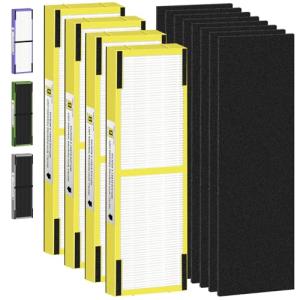
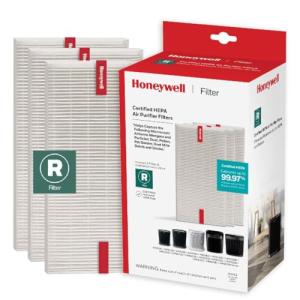
Honeywell HPA300 HEPA Filter
Isinlive
Product Review Score
4.66 out of 5 stars
87 reviews$36.62 $24.98
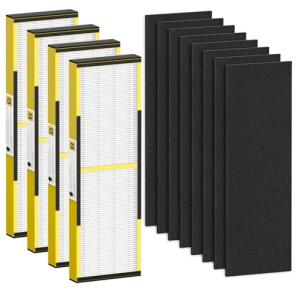
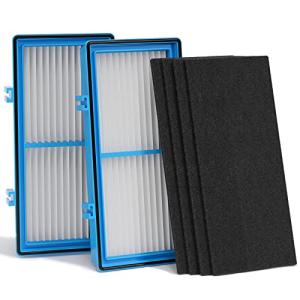
HEPA Filter B for Guardian
Cabiclean
Product Review Score
4.48 out of 5 stars
126 reviews$32.99 $27.98
What Exactly Are HEPA Filters?
HEPA stands for High-Efficiency Particulate Air. These aren’t your average furnace filters. A true HEPA filter must meet strict international standards, capturing at least 99.97% of airborne particles as small as 0.3 microns. That’s smaller than a single grain of pollen, finer than most bacteria, and tiny enough to trap smoke particles, pet dander, mold spores, and even some viruses.
The technology was originally developed during the Manhattan Project in the 1940s to protect workers from radioactive dust. Today, HEPA filters have evolved into everyday heroes found in homes, hospitals, laboratories, and offices worldwide. When you buy a genuine HEPA filter, you’re getting proven, lab-tested performance — not marketing hype.
You’ll often see ratings like HEPA H13 or HEPA H14. H13 captures 99.95% of particles, while H14 reaches 99.995%. Both far exceed the basic “true HEPA” threshold. Some premium models even combine HEPA with activated carbon layers for odor and VOC control, giving you multi-stage protection in one compact package.
How Do HEPA Filters Actually Work?
It’s not magic — it’s clever physics. HEPA filters use a dense mat of randomly arranged fiberglass fibers to trap particles in three main ways:
First, interception: particles following the airflow get too close to a fiber and stick. Second, impaction: larger particles can’t dodge the fibers fast enough and crash into them. Third, diffusion: the tiniest particles (under 0.1 microns) bounce around like pinballs due to air molecules, eventually hitting a fiber and getting caught.
Unlike electrostatic filters that lose effectiveness as they get dirty, mechanical HEPA filtration actually gets better at trapping particles as the filter loads up — until it’s time to replace it, of course. That’s why proper maintenance matters so much.
Modern HEPA filters are also designed to be low-resistance, meaning they don’t force your air purifier or HVAC system to work harder, saving energy while delivering superior cleaning power.
The Life-Changing Benefits of HEPA Filters
Let’s talk real results. Families with asthma or allergies often notice dramatic improvements within days of installing HEPA filtration. Pollen, dust mites, and pet allergens — the biggest triggers — get trapped before they reach your lungs.
But the benefits go far beyond allergy relief. HEPA filters reduce exposure to PM2.5 and PM0.3 particles linked to respiratory issues, heart problems, and even cognitive effects. In urban homes or areas with wildfire smoke, a good HEPA system can cut indoor pollution by up to 99%, creating a safe haven even when outdoor air quality tanks.
Parents love HEPA filters for nurseries and kids’ rooms because they quietly remove germs and viruses circulating during cold and flu season. Pet owners breathe easier knowing dander and hair are being captured instead of recirculated. Even people without health concerns report better sleep, fewer headaches, and that “fresh mountain air” feeling every time they walk inside.
Businesses and medical facilities rely on HEPA filters for infection control. Operating rooms, cleanrooms, and dental clinics use hospital-grade HEPA to maintain sterile environments. Schools and offices see reduced sick days when HEPA filtration is part of the HVAC upgrade.
And yes — your furniture, electronics, and walls stay cleaner longer when airborne dust is dramatically reduced. It’s one of those upgrades that pays for itself in peace of mind and lower cleaning bills.
Different Types of HEPA Filters Available Today
Not all HEPA filters are created equal, and choosing the right type makes all the difference.
True HEPA filters are the ones certified to the 99.97% standard. These are what you want for serious air cleaning.
HEPA-Type or HEPA-Style filters are more affordable but usually capture only 50-90% of particles. Great for basic dust control, but they won’t deliver medical-grade performance.
HEPA air purifier filters are rectangular or cylindrical panels designed for standalone units. Many include multiple layers — pre-filter for large debris, true HEPA for fine particles, and carbon for smells.
HEPA vacuum filters are smaller and often washable or replaceable cartridges that protect your motor while keeping dust out of the exhaust air. Bagless vacuums especially benefit from multi-stage HEPA systems.
HVAC HEPA filters are whole-house solutions. These high-capacity filters install in your central air system and clean every room every time the fan runs. They’re thicker than standard furnace filters and require compatible high-velocity systems.
Specialty HEPA filters include car cabin filters, portable room units, and industrial-grade models for workshops, labs, or 3D printing setups where ultrafine particles are a concern.
Where HEPA Filters Make the Biggest Impact
Bedrooms are the most popular spot for personal air purifiers because you spend one-third of your life there breathing the same air over and over.
Kitchens and living rooms benefit hugely during cooking or when guests bring in outdoor pollen. Basements and bathrooms — notorious for mold — stay drier and healthier with targeted HEPA circulation.
Home offices have seen a boom in HEPA use since remote work became permanent for many. Concentrating better and avoiding that afternoon “brain fog” is easier when the air is clean.
Pets, smokers, and hobbyists each create unique challenges that standard filters can’t handle. HEPA technology was literally made for these situations.
Even in apartments without central HVAC, portable HEPA units with CADR (Clean Air Delivery Rate) ratings let you tackle specific rooms effectively without expensive renovations.
How to Choose the Perfect HEPA Filter for Your Space
Start with room size. Look for the ACH (Air Changes per Hour) rating — 4-6 changes per hour is ideal for most homes. A purifier rated for 300 square feet won’t cut it in a 600-square-foot open-concept living area.
Check the filter’s CADR numbers for smoke, dust, and pollen. Higher numbers mean faster cleaning.
Noise level matters if you’ll run it 24/7. Modern units with sleep modes are whisper-quiet on low settings.
Filter replacement cost and frequency are ongoing expenses. Some brands use long-life HEPA filters lasting 12-24 months, while others need swapping every 3-6 months. Calculate the annual cost before buying.
Smart features like app control, air quality sensors, and auto mode turn a simple filter into an intelligent system that adjusts itself based on real-time pollution levels.
Energy efficiency is another big factor. Look for Energy Star certified models that won’t spike your electric bill.
Finally, consider your existing setup. Will this be a standalone purifier, a vacuum replacement filter, or a whole-house HVAC upgrade? Match the filter size and type exactly to your device for maximum performance.
Maintenance Tips to Keep Your HEPA Filters Performing at Their Best
HEPA filters are designed to be replaced, not cleaned. Vacuuming the outside of a pre-filter layer is fine, but never wash a true HEPA filter — it will ruin the delicate fiber structure.
Replace filters according to manufacturer guidelines or when the air quality indicator shows reduced flow. Clogged filters force motors to work harder and can actually push particles back into the room.
Pre-filters catch large dust and hair, extending the life of your expensive HEPA media. Clean or replace those regularly.
Store spare filters in their original packaging in a cool, dry place so they stay effective until needed.
Many people set calendar reminders or use smart apps that track usage hours and notify when it’s time for fresh media.
HEPA Filters vs Other Air Filtration Technologies
Activated carbon filters excel at odors and chemicals but do almost nothing for particles. Ionic and ozone generators can produce harmful byproducts and aren’t recommended for continuous home use.
UV-C lights kill germs but don’t remove particles. Electrostatic precipitators can be effective but lose efficiency quickly and require frequent cleaning.
HEPA remains the only filtration method proven to capture such a wide range of particle sizes with consistent, reliable performance over time. That’s why hospitals, airlines, and cleanroom manufacturers trust it exclusively.
The best systems actually combine technologies — a pre-filter, true HEPA, and activated carbon working together for complete protection.
Why HEPA Filters Are Worth the Investment
Yes, quality HEPA filters cost more upfront than basic fiberglass panels. But when you calculate the health benefits, reduced cleaning time, longer lifespan of your HVAC equipment, and peace of mind, they quickly become one of the smartest home upgrades you can make.
With increasing awareness of indoor air pollution — often 2-5 times worse than outdoor air — more families are choosing HEPA filtration as standard protection, not a luxury.
Whether you’re dealing with seasonal allergies, living with pets, recovering from illness, or simply want the cleanest possible environment for your family, HEPA filters deliver measurable, noticeable results.
Browse our full selection of HEPA filters today — from compact bedroom units to powerful whole-house solutions. Each product is carefully chosen for performance, value, and real-world reliability. Your lungs (and your family) will thank you.
Ready to transform your indoor air quality? Explore replacement HEPA filters, complete air purifier systems, and expert-recommended accessories right here. Clean air isn’t a luxury — it’s a necessity, and HEPA technology makes it achievable for every home and budget.