Looking for clean water without the fuss? Inline and universal water filters are the way to go. They fit easily into your existing setup, making it simple to enjoy fresher, safer water every day.
Inline & Universal Water Filters
Discover top-notch solutions for clean and tasty water in your home
Product List
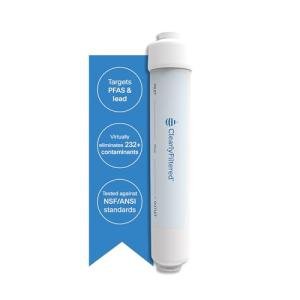
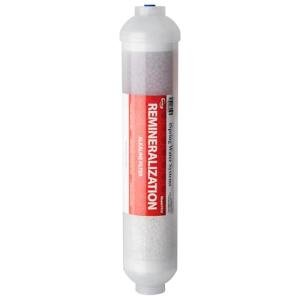
iSpring Alkaline Water Filter
Ispring
Product Review Score
4.85 out of 5 stars
122 reviews$28.99 $21.66
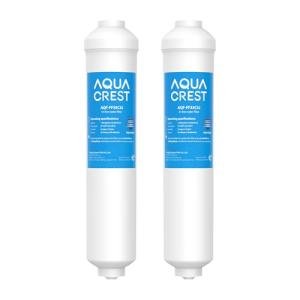
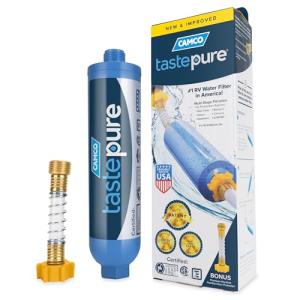
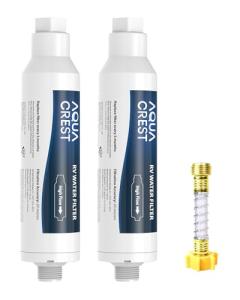
AQUA CREST RV Inline Hose Water Filter, Garde...
Aqua Crest
Product Review Score
4.16 out of 5 stars
48 reviews$23.99
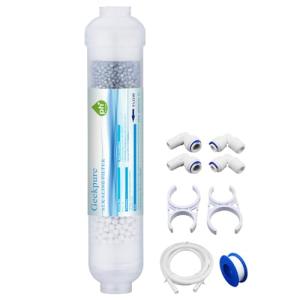
Geekpure 10-inch Universal Inline Alkaline Re...
Product Review Score
4.68 out of 5 stars
69 reviews$29.99 $28.49
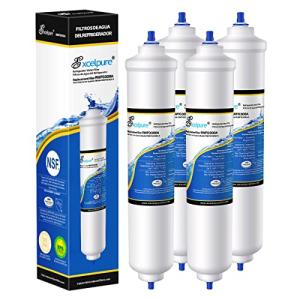
EXCELPURE RWF0300A Inline Water Filter, Repla...
Product Review Score
4.79 out of 5 stars
180 reviews$36.99 $32.29
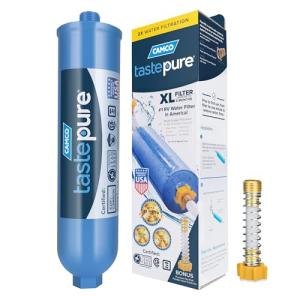
Camco Tastepure XL RV Water Filter - Reliable...
Product Review Score
4.93 out of 5 stars
57 reviews$32.53
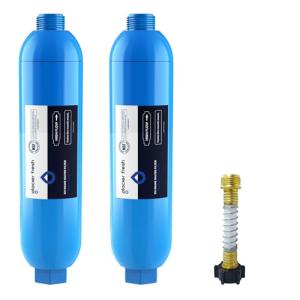
GLACIER FRESH RV/Marine Water Filter with 1 F...
Glacier Fresh
Product Review Score
4.52 out of 5 stars
131 reviews$17.99 $13.58
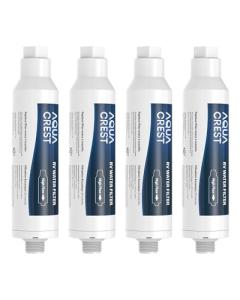
AQUA CREST RV Water Filter, RV Inline Water F...
Aqua Crest
Product Review Score
4.98 out of 5 stars
125 reviews$39.99 $27.49
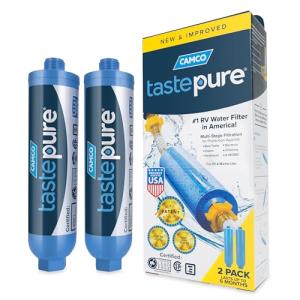
Camco Tastepure RV Water Filter - Advanced 6-...
Product Review Score
4.25 out of 5 stars
44 reviews$30.58
What Are Inline Water Filters and How Do They Differ from Universal Ones?
Inline water filters are exactly what the name suggests: filtration cartridges or housings that sit “in line” with your cold water supply line. Water flows directly through the filter media before reaching your faucet, refrigerator, ice maker, or coffee machine. They’re typically installed under the sink, behind the fridge, or even along a dedicated drinking-water line. Because they’re hidden away, you get purified water without changing the look of your kitchen.
Universal water filters take the concept one step further by offering broad compatibility. A single universal inline water filter cartridge can fit dozens of different refrigerator models, under-sink systems, and even some whole-house point-of-entry setups. Manufacturers design them with standard thread sizes (usually ¼-inch or ⅜-inch quick-connect fittings) and common lengths so you don’t have to hunt for brand-specific replacements. This flexibility makes universal filters especially popular among renters, apartment dwellers, and anyone who hates being locked into proprietary cartridges that cost a fortune.
The beauty of combining “inline” and “universal” is convenience plus choice. You get professional-grade filtration that works with almost any existing plumbing, and you can swap brands or upgrade performance without tearing out pipes. Many people start with a simple inline fridge water filter and later expand to multiple points of use around the house.
Why Homeowners Love Inline & Universal Water Filters
The benefits go far beyond just removing chlorine taste. Modern inline water filters target a wide range of impurities that affect health, flavor, and appliance longevity. Activated carbon blocks inside most universal models adsorb chlorine, chloramines, volatile organic compounds (VOCs), pesticides, and even some pharmaceuticals. Multi-stage designs add sediment pre-filters to catch rust, sand, and dirt that would otherwise clog your system.
One of the biggest advantages is cost savings. Instead of buying bottled water every week, you’re producing restaurant-quality filtered water at a fraction of a penny per gallon. Families report dramatic improvements in the taste of coffee, tea, soups, and even ice cubes. No more cloudy refrigerator ice or strange odors when you fill a glass straight from the tap.
Health-conscious parents especially appreciate knowing their kids are drinking water that’s been stripped of potential lead, heavy metals, and microscopic particles. Inline systems also protect your expensive appliances. Scale, sediment, and chlorine can shorten the life of dishwashers, coffee makers, and ice makers. A good universal inline water filter acts as a guardian, extending the lifespan of everything downstream.
Another huge plus is the space-saving design. Unlike reverse-osmosis tanks or large pitcher systems that crowd your counter, inline filters tuck neatly out of sight. Installation usually takes less than 30 minutes with basic tools, and once they’re in, you forget they’re there—except when you pour yourself another delicious glass of water.
How Inline and Universal Water Filters Actually Work
Understanding the technology makes choosing the right model much easier. Most universal inline water filters use a multi-layer approach. Water first passes through a sediment layer made of polypropylene or similar material that traps particles down to 5 or even 1 micron. This protects the next stage—usually a block of coconut-shell activated carbon.
Activated carbon is a superstar because its porous surface area is enormous. A single gram can have the surface area of a football field. As water flows through, chlorine, bad tastes, and odors chemically bond to the carbon. Many premium universal filters add catalytic carbon or ion-exchange resin to tackle chloramines (common in city water) and heavy metals like lead or mercury.
Some advanced inline water filters include KDF media (Kinetic Degradation Fluxion) that uses copper-zinc particles to inhibit bacterial growth and reduce scale. Others incorporate specialized membranes or ceramic elements for even finer filtration. The water pressure in your home does all the work—no electricity required—which makes these systems reliable and energy-efficient.
Flow rate is another important factor. Quality universal inline water filters deliver 1 to 2 gallons per minute, plenty for most household uses. Higher-capacity models designed for multiple fixtures maintain strong pressure so you never feel like you’re waiting for a trickle.
Popular Types of Inline & Universal Water Filters
Not all filters are created equal, and the market offers options for every need and budget. The most common is the standard 10-inch or 20-inch universal inline water filter cartridge, perfect for under-sink or refrigerator lines. These are often sold in packs of two or three for easy replacement every six months.
Refrigerator-specific inline filters are a huge category. Many homeowners replace the factory filter inside their fridge with an external universal inline fridge water filter mounted behind the unit. This approach often provides better flow and longer life than the built-in models. Brands design universal versions to match the performance specs of OEM filters while costing significantly less.
Multi-stage inline systems combine sediment, carbon, and sometimes alkaline or remineralization stages in one compact housing. These are fantastic if you want pH-balanced water that tastes sweet and smooth. For well-water users, there are specialized universal inline water filters with heavier sediment capacity and iron-reduction media.
You’ll also find quick-change universal models that feature twist-and-lock cartridges. No tools, no mess—just a quarter-turn and the old filter drops out. These are ideal for busy households that want maintenance to be quick and simple.
Choosing the Right Universal Inline Water Filter for Your Home
With so many options, how do you pick the perfect one? Start by testing your water or checking your local municipal report. If chlorine or taste is your main complaint, a basic activated-carbon inline filter will do the job beautifully. For well water or older pipes, look for models with strong sediment and rust removal.
Next, consider capacity. Most universal inline water filters are rated for 1,000 to 2,500 gallons before replacement. Larger families or heavy users should choose higher-capacity cartridges or models rated for 5,000+ gallons. Check the flow-rate specs too—nothing is more frustrating than weak water pressure after installing a filter.
Compatibility matters. Measure your existing tubing diameter and fitting style (quick-connect push-in fittings are the easiest). Look for filters certified by NSF/ANSI standards for the contaminants you care about. Many universal models proudly display certifications for chlorine reduction, cyst reduction, or lead reduction.
Budget is rarely an issue because these filters are surprisingly affordable. A high-quality universal inline water filter replacement set often costs less than a month’s worth of bottled water. Factor in long-term savings on appliance repairs and you’re looking at a smart investment that pays for itself quickly.
Simple Step-by-Step Installation Guide
One of the reasons inline water filters have exploded in popularity is how easy they are to install. Most universal kits include everything you need: the filter housing, cartridge, tubing, fittings, and even a shut-off valve. You’ll want a few basic tools—adjustable wrench, tubing cutter or sharp scissors, and a bucket to catch any drips.
First, locate your cold-water supply line under the sink or behind the refrigerator. Turn off the water, relieve pressure by opening the faucet, and cut the tubing where you want to insert the filter. Slide the compression nuts and inserts onto the tubing, push the ends firmly into the filter’s quick-connect fittings until they click, and hand-tighten the nuts. Turn the water back on slowly and check for leaks.
That’s it. Most people complete the entire process in under 20 minutes. For refrigerator installations, you simply route the water line from the wall to the new inline filter and then to the fridge. Many universal inline fridge water filter kits even include an extra length of tubing so you can mount the filter conveniently on the wall behind the appliance.
Pro tip: Flush the new filter with several gallons of water before drinking. This removes any loose carbon dust and ensures the best possible taste from day one.
Maintenance, Replacement, and Long-Term Care
Keeping your inline water filter performing at its peak is straightforward. Most manufacturers recommend changing the cartridge every six months or after the rated gallon capacity—whichever comes first. Many universal models include a simple sticker calendar or even electronic indicators that blink when it’s time to replace.
Replacement is literally a two-minute job with quick-change designs. Shut off the water, press the release buttons, pull out the old cartridge, drop in the fresh one, and you’re back in business. Because universal filters are so widely available, you’ll never be stuck waiting for a special-order part.
Watch for signs that it’s time for a change: slower flow, unusual tastes, or cloudiness in the water. These filters are forgiving, but ignoring them for too long reduces effectiveness and can lead to pressure drops. A regular replacement schedule also protects your downstream appliances from sediment buildup.
Storage is simple too. Keep spare universal cartridges in a cool, dry place. They have a long shelf life and are ready whenever you need them.
Inline Filters vs. Other Water Filtration Options
Many people wonder how inline and universal water filters stack up against pitchers, countertop units, under-sink reverse osmosis systems, or whole-house filters. The answer depends on your lifestyle, but inline options win on convenience and value for most households.
Pitcher filters are portable and cheap upfront, but they require constant refilling and frequent cartridge changes. They also can’t match the filtration power or flow rate of a properly sized inline system. Countertop units take up valuable space and often have limited capacity.
Reverse-osmosis systems remove almost everything—including beneficial minerals—but they waste water and require electricity or larger storage tanks. Inline carbon filters preserve healthy minerals while still delivering excellent taste and purity for daily use. Many homeowners actually combine a point-of-use inline filter with a whole-house sediment filter for the best of both worlds.
Universal inline water filters strike the perfect balance: professional-level performance without the complexity or high cost of more elaborate systems. They’re also far more environmentally friendly because they eliminate the need for single-use plastic bottles.
Everyday Applications and Creative Uses
The versatility of universal inline water filters opens up endless possibilities. Of course they’re perfect for kitchen sinks and refrigerators, but creative homeowners use them for:
- Coffee and espresso machines that produce noticeably better shots with filtered water
- Humidifiers and CPAP machines that stay cleaner longer
- Pet water bowls—your furry friends deserve pure water too
- Houseplants that thrive on chlorine-free water
- RV and boat plumbing for clean water on the road
- Outdoor kitchens or wet bars
Some families install multiple inline filters at different points so the entire household enjoys better water without a single large system. A universal filter under the kitchen sink paired with another on the fridge line covers 90 percent of daily needs for most people.
Frequently Asked Questions About Inline & Universal Water Filters
Will an inline water filter reduce water pressure?
High-quality universal models are designed to maintain excellent flow. Choose a filter rated for your household’s usage and you’ll barely notice any difference.
Are universal inline water filters safe for well water?
Yes, but select models with stronger sediment and iron-reduction capabilities. Always test your well water first and consider pairing with a pre-sediment filter if your water is particularly dirty.
How long do universal inline cartridges last?
Most last six months under normal use. Heavy-use households may want to replace every four months for peak performance.
Can I install an inline filter myself?
Absolutely. The quick-connect fittings and included instructions make DIY installation simple for anyone with basic handyman skills.
Do these filters remove fluoride?
Standard carbon inline filters do not remove fluoride. If fluoride removal is important, look for specialized cartridges or consider a reverse-osmosis stage.
Make the Switch to Better Water Today
Inline and universal water filters represent one of the smartest, most affordable upgrades you can make to your home. They deliver consistent purity, outstanding taste, and long-term savings while protecting your family and your appliances. Whether you need a single universal inline fridge water filter or a complete set for multiple locations, the technology has never been more accessible or effective.
Take a moment to assess your current water situation. If you’re tired of bottled water, strange tastes, or worrying about what might be lurking in your tap, it’s time to explore the wide selection of inline water filters and universal water filter replacements available. Your taste buds—and your wallet—will thank you.
Ready to enjoy pure, refreshing water every single day? Browse our collection of premium inline and universal water filters and find the perfect match for your home. Clean water shouldn’t be complicated, and with the right inline solution, it never has to be.