Under sink water filters are a smart choice if you want clean, great-tasting water right from your tap. They're super easy to install and save space, keeping your countertops clutter-free. Plus, they tackle common contaminants, giving you peace of mind with every sip.
Under Sink Water Filters
Get clean and refreshing water right from your kitchen sink
Product List
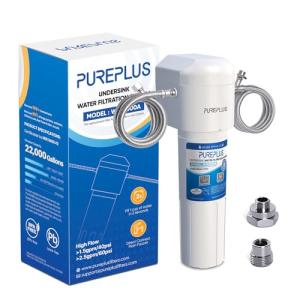
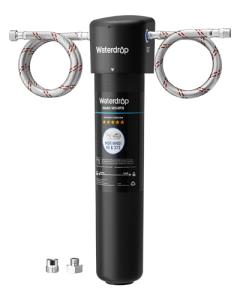
Waterdrop 15UA Under-Sink Filter
Waterdrop
Product Review Score
4.4 out of 5 stars
100 reviews$69.99 $47.49
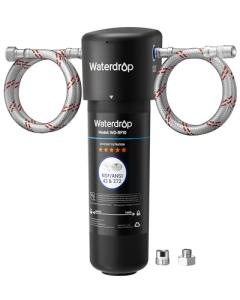
Waterdrop Under Sink Filter
Waterdrop
Product Review Score
4.76 out of 5 stars
184 reviews$59.99 $45.99
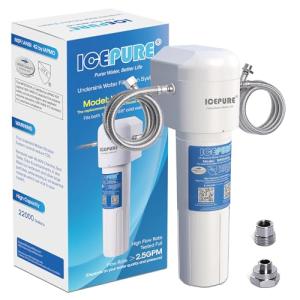
ICEPURE Under Sink Filter
Icepure
Product Review Score
4.54 out of 5 stars
212 reviews$65.99 $59.99
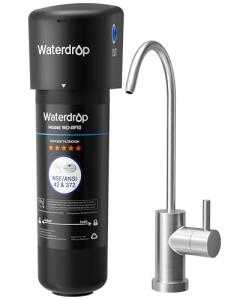
Waterdrop Under Sink Filter
Waterdrop
Product Review Score
4.8 out of 5 stars
106 reviews$66.99 $57.99
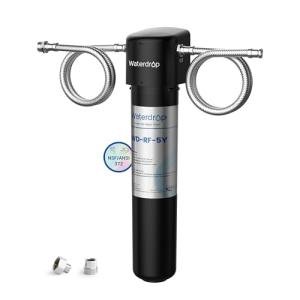
Waterdrop UA-5Y Filter System
Waterdrop
Product Review Score
4.77 out of 5 stars
169 reviews$129.99 $94.99
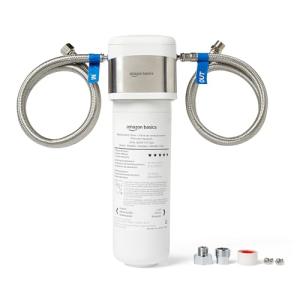
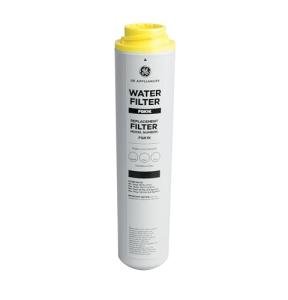
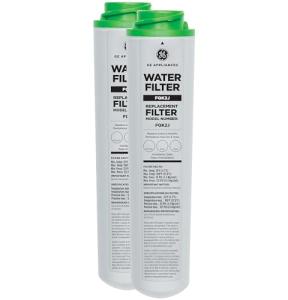
GE FQK2J Water Filter Replacement
Ge
Product Review Score
4.82 out of 5 stars
131 reviews$53.99 $49.99
What Are Under Sink Water Filters?
Under sink water filters are point-of-use filtration systems designed to connect directly to your kitchen’s cold water supply line. Unlike whole-house systems that treat every drop entering your home, these filters focus on the water you drink and use for cooking—the water that matters most to your health. They sit neatly out of sight in the cabinet under the sink and send filtered water to a dedicated faucet or sometimes even your existing tap through a diverter valve.
Modern under sink water filtration systems come in single-stage, dual-stage, or multi-stage designs, meaning they can tackle everything from basic sediment and chlorine to more stubborn contaminants like lead, PFAS, heavy metals, and even bacteria. Because they operate at the point of use, they deliver higher filtration performance than pitcher filters while remaining far more affordable and space-efficient than whole-house units. Most systems include a separate chrome or brushed-nickel faucet that installs through a standard sink hole, giving your kitchen that clean, professional look while keeping unfiltered water available for dishwashing and handwashing.
The beauty of under sink water filters lies in their balance of performance, convenience, and value. They produce water on demand at normal faucet pressure, so you never wait for filtration like you do with reverse osmosis tanks that sometimes need time to refill. Plus, because they’re hidden, you don’t have to sacrifice counter space or deal with bulky appliances that collect dust. For busy families, this discreet solution means healthier hydration habits without changing your daily routine.
Why Choose an Under Sink Water Filter for Your Home?
The benefits of installing an under sink water filter go far beyond just better taste. First and foremost, these systems dramatically improve water quality by removing or reducing a wide range of common contaminants. Chlorine, which many municipalities add for disinfection, can leave an unpleasant chemical aftertaste and may contribute to long-term health concerns when consumed regularly. Under sink water filters strip away that chlorine along with chloramines, sediment, rust, and organic compounds, leaving you with water that actually tastes clean and refreshing.
Health-conscious homeowners love that under sink water filtration systems can target specific issues in their local water supply. Families with small children or elderly members often prioritize lead removal, while those in agricultural areas focus on pesticide and nitrate reduction. Many premium models even address emerging concerns like microplastics and forever chemicals (PFAS), giving you confidence that the water your family drinks is as pure as possible.
Cost savings add up quickly too. A good under sink water filter can replace hundreds of plastic water bottles every year, cutting both your grocery bill and your household’s plastic waste. Over time, the money saved on bottled water easily covers the initial investment and ongoing filter replacements. You’re also reducing your carbon footprint by eliminating the transportation emissions associated with bottled water delivery.
Convenience is another huge plus. With an under sink water filter, fresh filtered water is always available at the twist of a handle—no more waiting for pitchers to filter or lugging heavy cases of bottled water up the stairs. Cooking with filtered water also enhances flavors in soups, sauces, coffee, and tea because there’s no chlorine or mineral interference masking the natural ingredients. Many users report that their ice cubes look clearer and taste better, and even their houseplants seem happier when watered with filtered water.
Finally, under sink water filters protect your plumbing and appliances downstream. By removing sediment and scale-causing minerals from the water you drink and cook with, you can extend the life of your refrigerator’s ice maker, coffee maker, and even your kettle. It’s a small upgrade that pays dividends throughout your entire kitchen.
How Do Under Sink Water Filters Work?
At their core, under sink water filters use a combination of mechanical, chemical, and sometimes biological processes to purify water before it reaches your glass. Water enters the system from your cold supply line through a flexible connector. It then passes through one or more filter cartridges where different stages target specific contaminants.
Most systems begin with a sediment filter that catches dirt, rust, and larger particles to protect the downstream stages. Next comes activated carbon or carbon block filtration, which adsorbs chlorine, volatile organic compounds (VOCs), and many chemicals that affect taste and odor. For more advanced purification, many under sink water filters incorporate reverse osmosis membranes that push water through tiny pores, removing dissolved salts, heavy metals, fluoride, and nitrates. Some high-end models add a final polishing stage with KDF media or remineralization filters that restore healthy minerals and improve pH balance.
The filtered water then travels through a dedicated line to the faucet, while unfiltered water continues to your main kitchen tap. This dual-supply setup ensures you only filter what you need, preserving water pressure and extending filter life. Pressure is maintained by the home’s existing water system, so flow rates typically range from 0.5 to 2 gallons per minute depending on the model and stages involved.
One common question is whether these systems waste water. Standard carbon-based under sink water filters produce almost zero waste, while reverse osmosis models do send some reject water down the drain to flush the membrane—usually in a 1:1 to 1:4 ratio depending on efficiency. Newer high-recovery RO under sink water filters have improved dramatically in this area, making them more environmentally friendly than older designs.
Popular Types of Under Sink Water Filters
Carbon Block and Granular Activated Carbon Filters
These are the most popular and affordable under sink water filters for everyday use. Carbon block filters use compressed activated carbon to provide excellent chlorine reduction, taste improvement, and removal of many organic chemicals. They’re fast-flowing, produce no wastewater, and require minimal maintenance. Ideal for city water supplies where the main concerns are chlorine and sediment, these systems often deliver great performance at a budget-friendly price point.
Reverse Osmosis (RO) Under Sink Water Filters
For the highest level of purification, reverse osmosis under sink water filters are the gold standard. They remove up to 99% of dissolved solids, including arsenic, chromium, lead, fluoride, nitrates, and even some pharmaceuticals. Most RO systems include multiple pre-filters, the RO membrane itself, a storage tank, and a post-filter for polishing. While they do produce some wastewater, modern designs have become far more efficient, and the exceptional water quality makes them worth considering if your local water has high TDS (total dissolved solids) or specific health concerns.
Multi-Stage Hybrid Systems
Many of today’s best under sink water filters combine carbon filtration with additional technologies like ultraviolet (UV) light for bacteria and virus control or ion exchange for softening hard water. These hybrid systems offer comprehensive protection tailored to specific water issues. Some even include smart monitoring that alerts you when it’s time to change filters via an app or faucet indicator.
Alkaline and Remineralization Filters
If you prefer water with added health benefits, look for under sink water filters that include a remineralization stage. These cartridges add back beneficial minerals like calcium, magnesium, and potassium while raising the pH to create slightly alkaline water. Many people notice improved taste and hydration with these systems.
Essential Features to Look for in the Best Under Sink Water Filter
When shopping for an under sink water filtration system, focus on certified performance first. Look for NSF/ANSI Standard 42, 53, or 58 certifications that verify contaminant reduction claims. Filter capacity and replacement frequency matter too—some cartridges last six months while others go a full year or more, affecting long-term costs.
Flow rate is crucial for busy kitchens; you want at least 0.5 gallons per minute so the faucet doesn’t feel like a trickle. Check the filter’s micron rating for sediment removal and verify it addresses your specific water concerns (test your water if possible). Easy filter changes are a game-changer—quick-twist cartridges beat older screw-in styles that require tools and create messes.
Space under your sink is another practical consideration. Measure your cabinet before buying to ensure the system fits comfortably alongside your garbage disposal and pipes. Noise level during operation matters too; quality systems run quietly without distracting vibrations.
Finally, consider warranty length and customer support. Reputable brands stand behind their under sink water filters with generous warranties and responsive service teams ready to help with installation questions or troubleshooting.
Step-by-Step Installation Guide for Under Sink Water Filters
Most under sink water filters are designed for DIY installation and take 30-60 minutes with basic tools. Start by turning off the cold water supply and relieving pressure in the lines. Install the feed water adapter onto the cold water valve, then connect the filter system’s inlet tubing. Mount the filter housing(s) to the cabinet wall using the included brackets for stability.
Next, drill a small hole in the sink or countertop (or use an existing soap dispenser hole) for the dedicated faucet and secure it in place. Connect the filtered water line to the faucet and the drain saddle if your model includes a waste line for RO systems. Check all connections for leaks, turn the water back on slowly, and flush the system thoroughly according to manufacturer instructions—usually 5-10 gallons to clear carbon fines.
If plumbing isn’t your thing or your setup involves complex pipes, professional installation is usually available for a reasonable fee and guarantees everything is done correctly the first time.
Maintenance Tips for Your Under Sink Water Filter
Keeping your under sink water filtration system performing at its peak is simple. Mark your calendar for filter changes based on the manufacturer’s recommendations or gallons filtered. Most systems include filter life indicators—some even send phone notifications when it’s time for a replacement.
Every few months, check connections for leaks and sanitize the faucet spout. If you notice slower flow, it may be time to replace the sediment pre-filter even if the main cartridge still has life remaining. Always use genuine replacement filters to maintain performance and warranty coverage. With proper care, a quality under sink water filter can provide years of reliable service and thousands of gallons of pure water.
Under Sink Water Filters vs. Other Water Filtration Options
Compared to pitcher filters, under sink systems offer higher capacity, better contaminant removal, and true convenience—no constant refilling or waiting. Faucet-mounted filters are quick to install but often reduce flow dramatically and look less elegant. Countertop units take up valuable workspace and can feel bulky in modern kitchens.
Whole-house filters treat all water but usually can’t match the fine filtration levels of dedicated under sink water filters because they’d require enormous filter sizes and frequent changes. For most families, combining a whole-house sediment filter with a high-performance under sink water filter gives the best of both worlds: soft, clean water throughout the home plus ultra-purified drinking water in the kitchen.
How to Choose the Best Under Sink Water Filter for Your Needs
Start by testing your water or checking your local water quality report to identify primary contaminants. Families of four or more should look for higher-capacity systems with longer filter life. Budget-conscious buyers often start with a solid dual-stage carbon system, while those wanting maximum protection choose multi-stage reverse osmosis models. Consider your sink configuration, available cabinet space, and whether you prefer a dedicated faucet or a three-way faucet that dispenses both filtered and unfiltered water.
Read real customer reviews focusing on taste improvement, ease of maintenance, and long-term reliability. The best under sink water filter is the one that matches your water challenges, lifestyle, and kitchen layout perfectly.
Frequently Asked Questions About Under Sink Water Filters
Do under sink water filters remove fluoride?
Standard carbon filters do not remove fluoride effectively, but reverse osmosis systems remove 90-95% of fluoride. If fluoride reduction is important, choose an RO under sink water filter or add a specific fluoride removal stage.
How long do under sink water filters last?
The system itself can last 5-10 years or more with proper maintenance. Individual cartridges typically need replacement every 6-12 months depending on usage and water quality.
Are under sink water filters worth it?
Absolutely. For most households, the improved taste, health benefits, cost savings over bottled water, and convenience make under sink water filters one of the highest-ROI home upgrades available.
Can I install an under sink water filter myself?
Yes, most people with basic DIY skills can install one in under an hour. Clear instructions and video tutorials from manufacturers make the process straightforward.
Do they affect water pressure?
Quality systems maintain excellent pressure. Carbon filters have minimal impact, while RO systems may feel slightly slower due to the membrane but still deliver plenty of water for normal use.
Under sink water filters represent one of the most practical and effective ways to ensure your family enjoys clean, great-tasting water every single day. By choosing the right system for your home, you’re investing in better health, lower costs, and greater peace of mind.