Keeping your air purifier running smoothly is all about the filters. Regularly swapping out your air purifier replacement filters ensures you're breathing clean, fresh air without nasty allergens. Check out our selection to find the perfect fit for your model and keep your home environment super comfy!
Air Purifier Replacement Filters
Keep your air clean and fresh with reliable replacement filters for your air purifiers
Product List
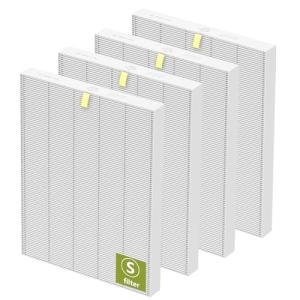
Winix HEPA Filter 4-Pack
Colorfullife
Product Review Score
4.5 out of 5 stars
131 reviews$35.99 $29.99
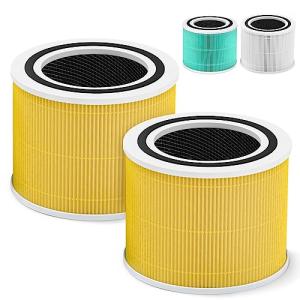
LEVOIT Core 300 Pet Filter
Isinlive
Product Review Score
4.96 out of 5 stars
176 reviews$35.99 $29.98
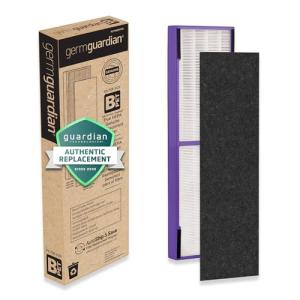
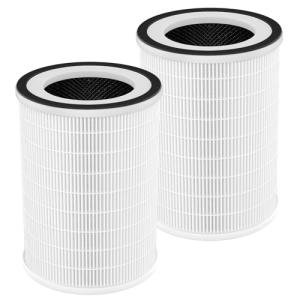
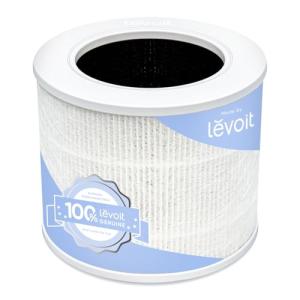
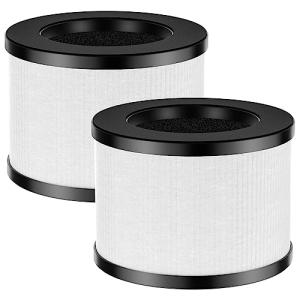
ToLife & VOOPNU Replacement Filters
Product Review Score
4.67 out of 5 stars
45 reviews$17.99 $14.99
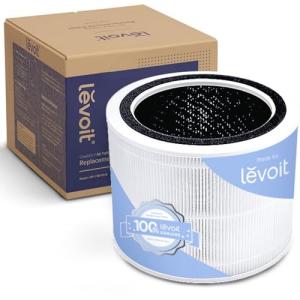
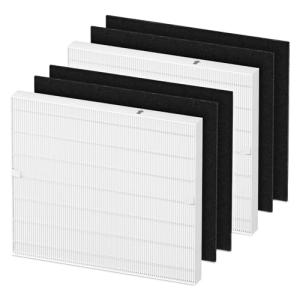
Airmega Replacement Filters - 2 Pack
Product Review Score
4.17 out of 5 stars
124 reviews$42.99 $32.97
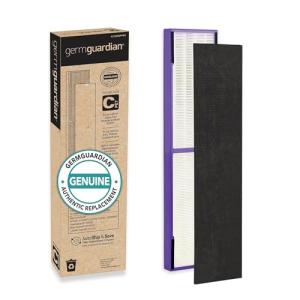
Germ Guardian HEPA Filter C
Germguardian
Product Review Score
4.82 out of 5 stars
153 reviews$32.99 $27.99
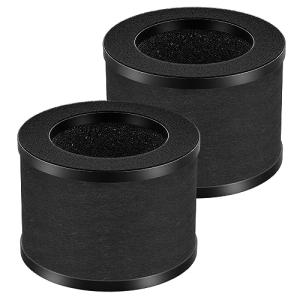
2 Pack TZ-K1 Replacement Filter Compatible wi...
Cabiclean
Product Review Score
4.5 out of 5 stars
217 reviews$17.97 $14.98
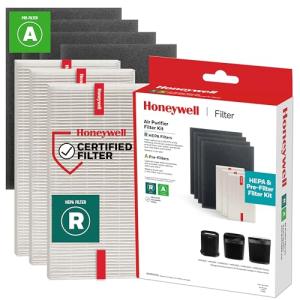
Honeywell HEPA Air Purifier Filter Replacemen...
Product Review Score
4.92 out of 5 stars
96 reviews$84.99
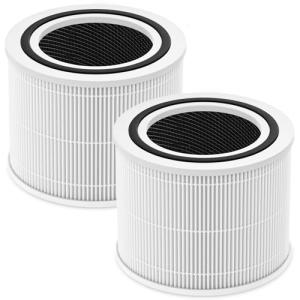
Core 300 Replacement Filter for LEVOIT Core 3...
Isinlive
Product Review Score
4.47 out of 5 stars
136 reviews$24.43
Why Regular Replacement of Air Purifier Filters Matters More Than You Think
Let’s be honest: it’s easy to forget about your air purifier until the air starts feeling stuffy or your allergies kick in. But skipping filter changes is like driving with a clogged engine—your purifier still runs, but it works harder for far less benefit. Dirty filters reduce airflow, spike energy bills, and let harmful particles slip right back into your rooms. Studies show that a neglected filter can cut efficiency by up to 50% within just three months.
Replacing air purifier filters on schedule keeps your indoor air quality at its peak. You’ll notice fewer dust bunnies on furniture, less sneezing, and even better sleep. For families with kids or elderly members, fresh filters act as a silent bodyguard against pollutants that aggravate asthma, bronchitis, or chemical sensitivities. And if you live in a city with wildfire smoke or heavy traffic nearby, high-performance replacement filters become non-negotiable for protecting your lungs.
Beyond health perks, timely changes save you money long-term. A clogged filter forces your purifier motor to overwork, shortening its lifespan and raising electricity costs. Swap filters every 6-12 months (depending on your model and usage) and you’ll enjoy quieter operation, lower energy use, and peace of mind knowing your air is truly purified.
Understanding the Different Types of Air Purifier Replacement Filters
Not all air purifier replacement filters are created equal. Most modern units use a multi-stage system, and each layer targets specific pollutants. Knowing the differences helps you choose the right combo for your needs.
HEPA Filters: The Gold Standard for Particle Removal
HEPA (High-Efficiency Particulate Air) replacement filters are the powerhouse behind true air purification. True HEPA captures 99.97% of particles down to 0.3 microns—including pollen, dust mites, pet hair, and bacteria. These dense, pleated filters use a maze of fibers to trap tiny invaders through interception, impaction, and diffusion.
When shopping for HEPA air purifier replacement filters, look for the “True HEPA” label. Some cheaper knockoffs claim “HEPA-type” but only catch larger particles. For allergy sufferers or homes with pets, a fresh HEPA filter can transform stuffy bedrooms into breathable sanctuaries. Many models also include a pre-filter layer that catches bigger debris first, extending the HEPA’s life.
Activated Carbon Filters: Odor and Chemical Fighters
Smoke, cooking smells, pet odors, and household chemicals don’t stand a chance against activated carbon air purifier replacement filters. Made from coconut shells or coal treated to create millions of tiny pores, these filters use adsorption to lock onto gaseous pollutants and VOCs like formaldehyde from new furniture or paint.
Pairing carbon with HEPA gives you comprehensive protection. If your home has a kitchen, smoker, or recent renovations, carbon replacement filters are a game-changer. They also help neutralize musty basement smells or lingering wildfire haze. Just remember: carbon filters saturate faster in high-odor environments, so check your manufacturer’s schedule.
Pre-Filters and Specialty Layers
Most air purifier replacement filter kits include a washable or replaceable pre-filter. This first line of defense grabs large particles like pet fur and lint, protecting the more expensive HEPA and carbon stages. Some units add UV-C light or ionizers, but the mechanical filters remain the real workhorses.
Specialty options exist too: antimicrobial coatings that inhibit mold growth, or filters infused with silver ions for extra bacteria control. For homes near highways, look for filters certified to handle NOx and ozone. Whatever your setup, matching the exact replacement filter size and type to your model ensures maximum airflow and performance.
How to Choose the Right Air Purifier Replacement Filters for Your Home
Walking into the filter aisle (or scrolling online) can feel overwhelming with all the sizes, brands, and ratings. Here’s a simple roadmap to make the right pick every time.
First, know your model number. Air purifier replacement filters are rarely universal—using the wrong size creates gaps that let dirty air bypass the system. Check your user manual or the filter compartment for exact specs. Popular brands like Honeywell, Dyson, Blueair, Coway, and Levoit each have proprietary filters, but third-party options often deliver comparable quality at lower cost.
Next, consider your air quality challenges. Allergy season? Prioritize True HEPA. Cooking smells or pets? Go heavy on activated carbon. Multiple people in a small apartment? Choose filters with higher CADR (Clean Air Delivery Rate) ratings for faster purification.
Filter ratings matter. Look for MERV 13+ on pre-filters and confirmed HEPA efficiency. Some advanced air purifier replacement filters now boast H13 or H14 medical-grade ratings for hospital-level protection. Check the filter’s lifespan too—some last 6 months, others up to a year with proper care.
Budget plays a role, but don’t skimp on quality. Cheap no-name filters often use thinner materials that clog quickly or shed fibers into your air. Reputable replacement filters from trusted suppliers balance performance, longevity, and value. Many come in convenient multi-packs so you always have spares ready.
Finally, factor in your lifestyle. Busy households with kids or pets need robust, easy-to-install options. Eco-conscious buyers can choose filters made from recyclable materials or those with lower packaging waste.
The Health and Lifestyle Benefits of Fresh Air Purifier Replacement Filters
Imagine waking up without that morning congestion or walking into a living room that smells crisp instead of stale. Quality air purifier replacement filters deliver these everyday wins and more.
Allergies and asthma improve dramatically when filters trap pollen, dust mites, and mold. Parents report fewer sick days for kids during flu season. Pet owners breathe easier knowing dander and odors are under control. Even people without obvious sensitivities notice sharper focus and better sleep—clean air reduces the subtle inflammation that drags you down.
In energy-efficient homes with sealed windows, indoor air can be surprisingly dirty. Replacement filters combat that buildup, especially during winter when ventilation drops. For home offices or nurseries, they create micro-climates of pure air where concentration or infant lungs thrive.
Environmentally, using the right filters extends your purifier’s life, reducing electronic waste. Many modern replacement filters use sustainable manufacturing and ship in minimal packaging, aligning with greener living goals.
Installation Tips: Changing Air Purifier Filters in Minutes
Replacing filters is simpler than changing a light bulb. Most units have a front or top panel that pops open. Gently remove the old filters (dispose of them responsibly—some areas recycle HEPA material), wipe down the interior with a dry cloth, then slide in the fresh set. Some models include arrows showing airflow direction—pay attention so air flows through the correct side.
Pro tip: Reset the filter indicator light after installation. Many smart purifiers track usage and alert you automatically. Vacuum the pre-filter monthly between full replacements to stretch its life even further.
Store spare air purifier replacement filters in a cool, dry place away from direct sunlight. Sealed packaging keeps them fresh until you need them. If you have multiple units around the house, label your spares by room for quick swaps.
Common Myths About Air Purifier Replacement Filters
Myth 1: “You can wash and reuse HEPA filters.” False—washing damages the fiber structure and releases trapped particles back into the air. Only pre-filters are typically washable.
Myth 2: “All filters are basically the same.” Not true. Materials, pleat density, and seal quality vary wildly. A mismatched filter can reduce CADR by 30-40%.
Myth 3: “If my purifier is still running, the filter is fine.” Visual checks miss microscopic saturation. Follow the manufacturer’s timeline or trust the unit’s sensor.
Busting these myths helps you maintain peak performance and avoid wasting money on ineffective shortcuts.
Extending the Life of Your Air Purifier Replacement Filters
Smart habits stretch every filter dollar. Vacuum or dust your home regularly to reduce the particle load your purifier handles. Keep windows closed on high-pollen days. Run bathroom and kitchen exhaust fans to vent moisture and odors before they circulate. Place purifiers away from walls and furniture for unrestricted airflow.
In homes with heavy smokers or frequent cooking, consider adding an extra carbon layer or upgrading to a higher-capacity model. For vacation homes used seasonally, remove filters during long absences and store them properly to prevent unnecessary degradation.
Frequently Asked Questions About Air Purifier Replacement Filters
How often should I change air purifier replacement filters? Most manufacturers recommend every 6-12 months. Heavy use, pets, or smokers may require changes every 3-4 months. Monitor your unit’s indicator or air quality readings for personalized timing.
Can I use third-party air purifier replacement filters? Yes, as long as they match the exact dimensions and airflow specs. Many independent brands test their filters to meet or exceed OEM performance while saving you money.
Do air purifier filters help with COVID-19 or viruses? HEPA filters capture particles that carry viruses, reducing airborne transmission when combined with ventilation and other precautions. They’re not a cure-all but add meaningful protection indoors.
Are replacement filters recyclable? Some brands offer take-back programs for HEPA and carbon filters. Check local recycling rules—plastic frames often qualify while the filter media may go to specialized facilities.
What’s the difference between OEM and aftermarket filters? OEM filters guarantee perfect fit and performance straight from the maker. Quality aftermarket options deliver similar results at lower prices, often with added features like longer lifespan or eco-friendly materials.
Invest in Cleaner Air Today
Your air purifier is only as good as its filters. By choosing the right air purifier replacement filters and staying on top of maintenance, you create a healthier home environment that supports everyone inside it. Whether you need a single HEPA replacement, a full multi-pack with carbon, or specialized filters for pets and allergies, the options available today make fresh air more accessible than ever.
Take a moment to check your current filters. If they’ve been in place longer than recommended, now’s the perfect time to upgrade. Your lungs—and your family—will thank you with every breath. Explore the full range of air purifier replacement filters designed to fit your exact model and lifestyle. Breathe easier knowing you’ve made the smart choice for cleaner, fresher indoor air all year long.