Keeping your home comfortable year-round starts with the right HVAC, furnace, and AC filters. These filters capture dust, allergens, and other particles, ensuring your air stays fresh and clean. Choosing the right filter not only improves air quality but also helps your system run efficiently, saving you money in the long run.
HVAC / Furnace / AC Filters
Find the right filters to keep your HVAC system running smoothly and your home comfortable all year round
Product List
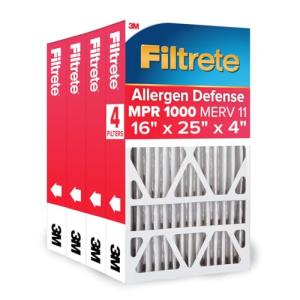
Filtrete 16x25x4 MERV 11 Filters
Filtrete
Product Review Score
4.95 out of 5 stars
41 reviews$76.75
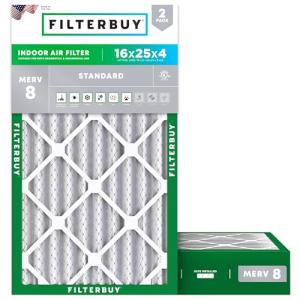
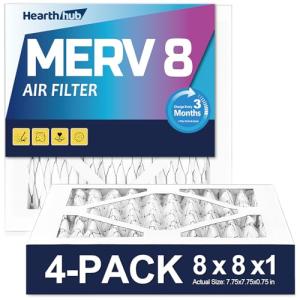
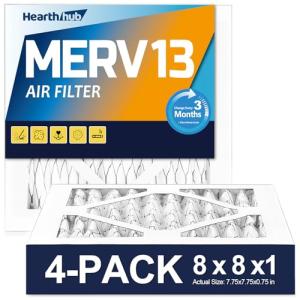
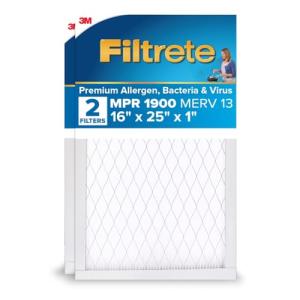
Filtrete MERV 13 Filters 2-Pack
Filtrete
Product Review Score
4.67 out of 5 stars
35 reviews$45.99 $29.99
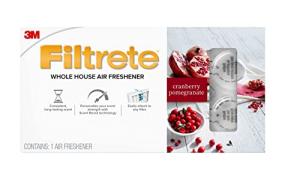
Cranberry Pomegranate Air Freshener
Filtrete
Product Review Score
4.26 out of 5 stars
35 reviews$6.99 $5.99
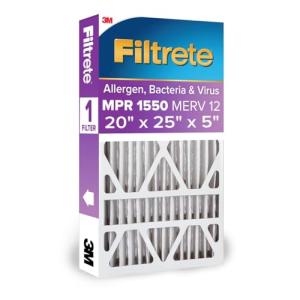
Filtrete 20x25x5 MERV 12 Filters
Filtrete
Product Review Score
4.92 out of 5 stars
157 reviews$33.88
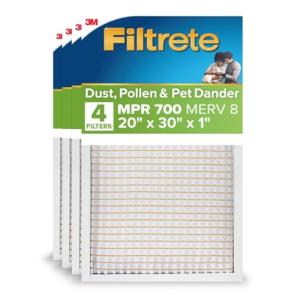
Filtrete 20x30 AC Filters
Filtrete
Product Review Score
4.67 out of 5 stars
169 reviews$45.99 $41.06
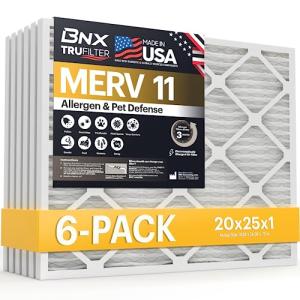
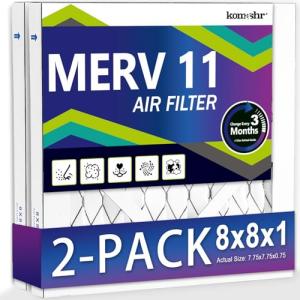
MERV 11 Air Filter (2-Pack)
Komashr
Product Review Score
4.31 out of 5 stars
145 reviews$13.99 $12.31
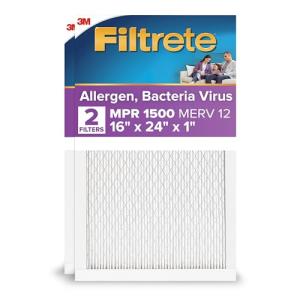
The Importance of Quality HVAC Air Filters in Your Home
Your HVAC system is the lungs of your house. It pulls in air, conditions it, and pushes it through ducts to every room. HVAC filters act as the first line of defense, trapping particles before they reach the blower, coils, and other sensitive parts. Without effective furnace filters or AC filters, dust builds up fast, forcing your system to work harder. That means higher energy use, more frequent repairs, and shorter equipment lifespan.
Beyond protecting your HVAC unit, the right air filters deliver noticeable health benefits. Families dealing with allergies, asthma, or respiratory issues often see dramatic improvement after switching to better HVAC filters. Pet owners love how quality pleated filters capture dander and hair that would otherwise float through the air. Even if your home feels clean, microscopic particles from cooking, cleaning products, and outdoor pollen sneak inside every time you open a door or window. High-performing AC filters and furnace filters reduce these irritants, helping everyone breathe easier—especially kids, seniors, and anyone with sensitivities.
Energy savings are another big win. A clogged or low-quality filter restricts airflow, making your furnace or air conditioner run longer to reach the set temperature. Studies show that regular air filter replacement can improve system efficiency by up to 15 percent. That adds up to real money on your monthly utility bill and less wear on your equipment. In short, investing in good HVAC filters isn’t just smart—it pays for itself over time.
Understanding MERV Ratings for Furnace and AC Filters
MERV stands for Minimum Efficiency Reporting Value, and it’s the standard way to measure how well an HVAC filter captures particles. The scale runs from 1 to 16, with higher numbers meaning finer filtration. But higher isn’t always better for every home. You need to balance particle capture with proper airflow so your system doesn’t strain.
MERV 1-4 filters are basic, catching large debris like dust bunnies and carpet fibers. They’re cheap but don’t do much for smaller allergens. MERV 5-8 filters step up and handle most household dust, pollen, and pet dander—great for standard homes without major air-quality concerns. Most experts recommend MERV 8 as the sweet spot for everyday furnace filters and AC filters because they clean the air effectively without restricting airflow too much.
If allergies or pets are a big issue, consider MERV 9-13 filters. These catch finer particles, including smoke, bacteria, and some mold spores. MERV 13 is popular for families wanting hospital-grade protection without going full HEPA. Filters rated MERV 14-16 are extremely efficient but can reduce airflow in older systems, potentially causing problems if your HVAC wasn’t designed for them. Always check your manufacturer’s recommendations before jumping to the highest MERV rating.
The key takeaway? Don’t just grab the cheapest furnace filter on the shelf. Matching the MERV rating to your lifestyle and HVAC system size gives you cleaner air without sacrificing performance.
Different Types of Air Filters: Which Is Right for You?
Fiberglass Filters
These are the classic flat-panel furnace filters you’ve probably seen for years. Made with spun glass fibers, they’re inexpensive and disposable. Fiberglass HVAC filters do a decent job catching large particles but let smaller ones slip through. They’re perfect for rental properties or anyone on a tight budget who changes filters monthly. Just don’t expect allergy relief or top-tier efficiency.
Pleated Filters
Pleated air filters are the most popular choice for modern homes. The accordion-style folds create more surface area, so they trap more particles while still allowing good airflow. You’ll find pleated furnace filters and AC filters in MERV 8 to 13 ratings. They last longer—usually 60 to 90 days—and deliver noticeably cleaner air. Many homeowners say switching to pleated HVAC filters is like night and day for dust control.
Electrostatic and Washable Filters
Electrostatic HVAC filters use static electricity to attract particles, making them highly efficient and reusable. You simply rinse them clean every few months. They’re eco-friendly because you throw away fewer disposables, and many last up to five years. Great for homeowners who hate frequent shopping trips.
Activated Carbon Filters
If odors from cooking, pets, or smoke bother you, activated carbon HVAC filters are fantastic. The carbon layer absorbs gases and volatile organic compounds (VOCs) that regular filters miss. Pair them with a pleated pre-filter for best results.
HEPA Filters for HVAC
HEPA (High-Efficiency Particulate Air) filters capture 99.97 percent of particles down to 0.3 microns—think pollen, dust mites, and even some viruses. True HEPA filters are usually too restrictive for standard residential HVAC systems, but many manufacturers now offer “HEPA-type” or MERV 17+ options designed specifically for home furnaces and AC units. These are ideal for severe allergy sufferers or homes with immunocompromised residents.
Furnace Filters vs AC Filters: Are They Really Different?
In most homes, furnace filters and AC filters are the same thing. Your central HVAC system uses one filter that works for both heating and cooling seasons. The filter sits in the return air duct or right at the furnace/air handler. The main difference is timing: you might check it more often during heavy use seasons like winter for furnaces or summer for air conditioners. Some high-efficiency systems have separate filters, but for the average homeowner, one quality set of HVAC filters handles everything year-round.
How to Choose the Right Size HVAC Filter
Size matters more than you might think. Using the wrong dimensions can let air bypass the filter entirely, defeating the purpose. Common HVAC filter sizes include 16x20x1, 20x25x1, 16x25x4, and 20x30x5. Always measure your filter slot—write down the exact length, width, and thickness. Remember that nominal sizes (what’s printed on the box) are rounded, while actual sizes are slightly smaller for an easy fit.
Thickness is another key factor. One-inch filters are standard and affordable but need more frequent changes. Four-inch or five-inch deep-pleated filters last longer and handle higher MERV ratings because they have more media area. If your system supports thicker filters, upgrading is usually worth it for convenience and performance.
How Often Should You Replace Your Furnace Filter or AC Filter?
The golden rule is every 30 to 90 days, but it depends on several factors. Homes with pets, smokers, or lots of dust may need monthly changes. If you live in a clean environment and use MERV 8 pleated filters, every 60 to 90 days is often fine. Thicker 4- or 5-inch filters can go even longer.
Signs it’s time for air filter replacement: higher energy bills, reduced airflow from vents, visible dust buildup, or your system running louder than usual. Set a calendar reminder or use a smart filter subscription service so you never forget. Changing HVAC filters is one of the simplest maintenance tasks you can do yourself.
Benefits of Upgrading Your HVAC Air Filters
Upgrading to better furnace filters and AC filters delivers benefits you’ll notice right away. Cleaner air means fewer allergy symptoms, less dusting, and fresher-smelling rooms. Your HVAC system runs more efficiently, potentially saving 10-15% on heating and cooling costs. Equipment lasts longer because it stays cleaner inside. Many homeowners report their furnace or air conditioner runs more quietly after installing quality filters.
For families with asthma or allergies, the difference can be life-changing. Pet owners see dramatically less floating hair. And everyone enjoys the peace of mind knowing their indoor air is healthier.
Easy Step-by-Step Guide to Installing and Replacing HVAC Filters
Replacing your furnace filter or AC filter takes less than five minutes. First, turn off your HVAC system at the thermostat. Locate the filter—usually near the return air vent or inside the furnace cabinet. Slide out the old filter, noting the arrow that shows airflow direction. Insert the new filter with the arrow pointing toward the blower. Close everything up, turn the system back on, and you’re done.
Pro tip: Keep a spare filter handy so you’re never caught without one when you notice it’s dirty.
Energy Savings, Cost Benefits, and Eco-Friendly Options
Dirty or low-quality HVAC filters waste energy. Clean, properly rated filters keep your system efficient. Many families save hundreds of dollars yearly just by staying on top of air filter replacement. For eco-conscious shoppers, washable electrostatic filters and recyclable pleated options reduce landfill waste. Look for filters made from sustainable materials whenever possible.
Frequently Asked Questions About HVAC, Furnace, and AC Filters
Can I use a higher MERV filter than my system recommends? Sometimes, but check your manual. Too restrictive a filter can damage your blower motor over time.
Do I need different filters for heating and cooling seasons? No—use the same HVAC filters year-round unless your system has separate units.
Are expensive filters always better? Not necessarily. A well-made MERV 8-13 pleated filter often outperforms cheap high-MERV options if airflow is balanced.
How do I know my filter size? Remove the old one and check the label, or measure the slot carefully.
Can I wash disposable filters? No—only washable electrostatic models are designed for cleaning.
These are just a few of the most common questions we hear from customers shopping for the best HVAC filters.
Ready to Upgrade Your Home’s Air Quality?
Choosing the right HVAC filters, furnace filters, or AC filters doesn’t have to be complicated. By understanding MERV ratings, matching the right type and size to your home, and sticking to a regular replacement schedule, you’ll enjoy cleaner air, lower bills, and a longer-lasting HVAC system. Whether you need basic fiberglass filters for a vacation home or premium pleated HVAC filters for a busy family with pets, the perfect solution is out there.
Take a moment today to check your current air filter. If it’s dusty or overdue, treat yourself and your family to fresh HVAC air filters. Your lungs—and your wallet—will thank you. Breathe easier knowing you’ve made one of the smartest home maintenance decisions possible.