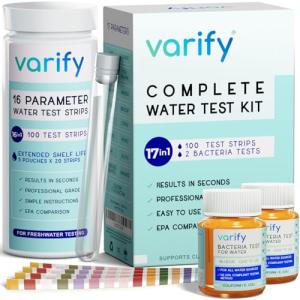
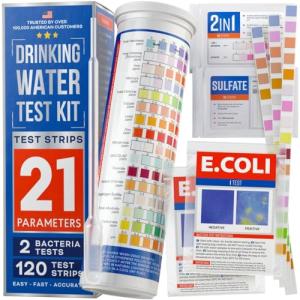
What Exactly Are Water Test Kits?
Water test kits are portable, user-friendly testing solutions designed to measure various chemical, physical, and biological properties of water. They range from simple dip-and-read test strips to advanced digital meters and full laboratory-style mail-in kits. The goal is always the same: to give you fast, reliable data about your water’s purity and safety.
Unlike sending samples to a lab (which can take days or weeks), most home water test kits deliver results in minutes. Many are engineered for everyday consumers—parents, homeowners, pool owners, aquarium hobbyists, and renters alike. They test for everything from basic pH balance to dangerous heavy metals and bacteria. Modern kits often include color charts, digital readouts, or smartphone apps that make interpreting results effortless and even fun.
Whether you live in a city with treated municipal water or rely on a private well in the countryside, a good water test kit puts control back in your hands. No more guessing. No more relying on vague “water quality reports” from your local utility. Just clear, actionable insights whenever you need them.
Why You Should Test Your Water Regularly
Most people assume their tap water is perfectly safe because it comes from a trusted source. The truth is, water can pick up contaminants at many points along the way—from old pipes in your home to agricultural runoff miles away. Even treated city water can develop issues over time, especially after heavy rain or during infrastructure repairs.
Regular testing with water test kits helps you catch problems early. High levels of lead, for example, have no taste or smell but can cause serious developmental issues in children. Hard water might not make you sick, but it can damage appliances, leave spots on dishes, and make your skin and hair feel dry. Bacteria like E. coli can sneak into well water after a storm and cause nasty stomach bugs.
Beyond health, testing saves money. Spotting high chlorine or unbalanced pH in your pool prevents costly chemical overuse and equipment damage. In an aquarium, the right water test kits can mean the difference between vibrant fish and a tank full of regret. For homeowners, documented water test results can even boost resale value by proving your property has clean, safe water.
Peace of mind is priceless. Once you start using water test kits, you’ll wonder how you ever lived without them. It’s a small habit that protects your family, your pets, and your wallet.
Types of Water Test Kits Available Today
The market for water test kits has exploded in recent years, giving you more choices than ever. Here’s a breakdown of the most popular types so you can find what fits your lifestyle.
Test Strip Kits – Fast and Foolproof
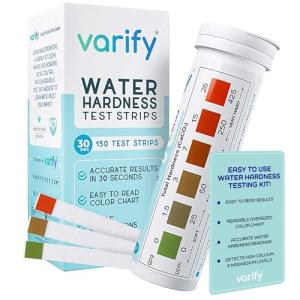
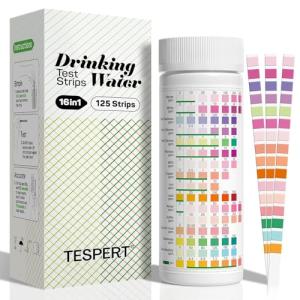
Test strips are the most popular entry-level option. You simply dip a strip into your water sample, wait a few seconds, and compare the color changes to the included chart. They’re affordable, require zero technical skill, and test multiple parameters at once. Many strips check for pH, chlorine, hardness, alkalinity, nitrates, and nitrites in one quick dip. Perfect for busy families or first-time testers.
Digital Water Testers – Precision at Your Fingertips
If you want more accurate readings without squinting at color charts, digital testers are fantastic. These handheld devices use sensors to measure pH, Total Dissolved Solids (TDS), temperature, and sometimes conductivity or salinity. Some models connect to your phone via Bluetooth and log results over time. Great for pool owners who test weekly or anyone who wants repeatable, scientific-level precision.
Comprehensive Lab-Style Kits
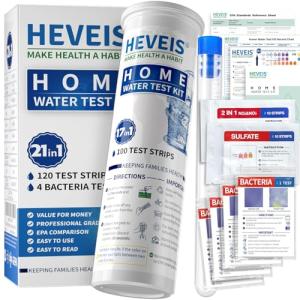
For deeper analysis, choose a kit that lets you collect a sample and mail it to a certified lab. These water test kits check for dozens of contaminants including heavy metals (lead, arsenic, mercury), pesticides, volatile organic compounds (VOCs), and harmful bacteria. Results come with a detailed report and often include expert recommendations. Ideal for well water users or people buying a new home who want the full picture.
Specialized Kits for Specific Needs
Some water test kits focus on one issue, like lead testing strips for older homes or bacteria test kits for private wells. Others are tailored for swimming pools, hot tubs, aquariums, hydroponics, or even rainwater collection systems. No matter your situation, there’s a kit built exactly for it.
Key Water Quality Parameters You Should Test
Not all water test kits check the same things. Understanding the most important parameters helps you pick the right kit and interpret results correctly.
pH Level: Measures how acidic or alkaline your water is. The sweet spot for drinking water is usually 6.5–8.5. Too acidic can leach metals from pipes; too alkaline tastes flat and affects skin.
Chlorine and Chloramines: Added by municipalities to kill bacteria, but excess levels can irritate eyes, skin, and lungs—especially in pools and showers.
Hardness (Calcium & Magnesium): Hard water causes scale buildup in pipes and appliances. Soft water may feel slippery but is gentler on skin and fixtures.
Total Dissolved Solids (TDS): Indicates overall mineral content and potential pollutants. High TDS often means your water needs filtration.
Nitrates and Nitrites: Often from fertilizer runoff or septic systems. High levels are especially dangerous for infants (blue baby syndrome).
Heavy Metals: Lead, arsenic, copper, and iron are invisible threats that water test kits can detect before they cause health problems.
Bacteria & Microorganisms: Coliform, E. coli, and other pathogens require specific test kits but are critical for well water and after flooding events.
Alkalinity, Iron, Copper, Fluoride, and Turbidity: These round out a complete water quality picture depending on your local concerns.
Water Test Kits for Every Situation
Your needs determine the best water test kits for you. Here’s how different users benefit.
Drinking Water and Home Use
City dwellers and well owners alike love multi-parameter test kits that quickly screen for lead, chlorine, pH, and bacteria. Many families test their kitchen tap, refrigerator filter, and shower water to ensure the whole house stays safe.
Pool and Spa Maintenance
Pool owners rely on specialized water test kits to balance chlorine, pH, alkalinity, and cyanuric acid. Proper testing prevents algae, cloudy water, and expensive repairs. Digital kits with instant readouts make weekend pool maintenance a breeze.
Aquarium and Pond Enthusiasts
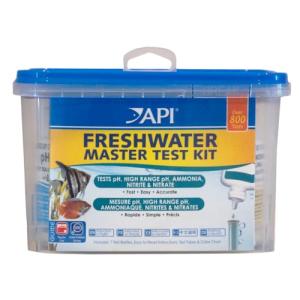
Fish and plants are sensitive to even tiny changes in ammonia, nitrite, nitrate, and pH. Dedicated aquarium water test kits help hobbyists keep their underwater worlds thriving for years.
Well Water Owners
Private wells have no government oversight. Annual testing with comprehensive kits is the only way to stay ahead of seasonal changes, nearby construction, or natural contaminants.
Travelers and Renters
Portable test strips fit easily in a suitcase or glove box. Test hotel water, campground taps, or new rental properties before you settle in.
How to Choose the Best Water Test Kits in 2025
With so many options, shopping smart is key. Here are the factors that matter most:
- Accuracy and Certification: Look for kits that use EPA-recognized methods or have third-party validation.
- Number of Tests Included: Some kits give you 50–100 tests per parameter—better value for frequent testers.
- Ease of Use: Clear instructions, large color charts, and minimal steps win every time.
- Speed: Most give results in under two minutes; lab kits take longer but offer more depth.
- Cost vs. Value: Cheap kits can be surprisingly accurate for basic needs, while premium digital kits pay for themselves through longevity.
- App Integration and Data Logging: Modern water test kits that sync with phones let you track trends over months or years.
Read real customer reviews focusing on accuracy and customer service. A slightly higher price often means fewer false readings and better support when questions arise.
Step-by-Step: How to Use Water Test Kits Like a Pro
Using water test kits is easier than most people expect. Follow these simple steps for reliable results every time:
- Collect a fresh sample in a clean container—usually 10–50 ml depending on the kit.
- Follow the exact timing and temperature instructions (water temperature affects some readings).
- Dip, swirl, or add reagents exactly as directed.
- Compare colors or read the digital display within the recommended window.
- Record your results and compare them to safe ranges listed in the kit or online guidelines.
- If something looks off, retest or consider a professional lab follow-up.
Pro tip: Always test at the same time of day and under similar conditions for consistent tracking.
Benefits of Regular Water Testing with Quality Kits
Beyond safety, consistent use of water test kits offers surprising advantages. You’ll catch filter replacement times before your water tastes bad. You can adjust pool chemicals precisely instead of guessing. Aquarium keepers enjoy healthier, longer-lived fish. Homeowners document improvements after installing new filtration systems. And everyone sleeps better knowing their water is truly safe.
Many users report lower monthly water bills after identifying and fixing hidden issues. Others discover their “hard water” was actually a simple pH imbalance easily corrected with the right treatment.
Common Water Contaminants and What They Mean for Your Health
Water test kits shine a light on invisible threats. Lead from old pipes can affect brain development. Arsenic, common in some groundwater, is linked to long-term cancer risk. Bacteria cause immediate illness. Even excess minerals can create skin irritation or appliance damage. Understanding these risks turns abstract numbers on a test strip into real motivation to act.
Water Test Kits vs. Professional Lab Testing – Which Is Right for You?
Home water test kits are perfect for regular monitoring and quick checks. Professional lab testing offers the highest precision and broadest range of contaminants. Many people use both: a home kit every month and a lab test once or twice a year. The combination gives you the best of both worlds—convenience and confidence.
Tips for Storing and Maintaining Your Water Test Kits
To get the most life out of your kits, store them in a cool, dry place away from direct sunlight and extreme temperatures. Keep reagent bottles tightly closed. Check expiration dates—old chemicals can give false readings. Replace strips or solutions as needed so your results stay trustworthy.
The Future of Water Test Kits
Technology keeps improving. Newer water test kits feature smartphone-connected sensors, AI-powered result interpretation, and even continuous monitoring devices that live in your water line and send alerts to your phone. Some kits now detect microplastics or PFAS “forever chemicals” that were once expensive to test. The future is smarter, faster, and more accessible than ever.
Frequently Asked Questions About Water Test Kits
How often should I test my water? Monthly for pools and aquariums. Quarterly for drinking water. Annually (or after major weather events) for wells.
Are home water test kits accurate? Yes—especially reputable brands. They’re designed to match lab standards for most common parameters.
Can water test kits detect everything? Most detect the most common concerns. For rare or ultra-low-level contaminants, combine with lab testing.
Do I need different kits for different water sources? Sometimes. A pool kit won’t replace a drinking water kit, but many multi-use kits cover multiple needs.
What if my test shows a problem? Retest first, then research treatment options or consult a water quality specialist.
Ready to Take Control of Your Water Quality?
Water test kits are one of the smartest, most affordable investments you can make for your home and health. They empower you with knowledge and give you the power to act before small issues become big problems. Whether you’re protecting your family’s drinking water, keeping your pool crystal clear, or maintaining a beautiful aquarium, the right water test kit makes all the difference.
Explore the wide selection of water test kits available today and find the one that matches your exact needs. Your water—and your peace of mind—will thank you. Start testing today and enjoy the confidence that comes with knowing your water is safe, balanced, and perfect for whatever you need it to be.