Whole house water filters are a game changer for your home. They ensure every tap delivers clean, great-tasting water, whether you’re cooking, showering, or filling up the dog’s bowl. These systems are easy to install and maintain, giving you peace of mind that your family is drinking only the best.
Whole House Water Filters
Enjoy cleaner, fresher water from every tap in your home with a whole house water filter
Product List
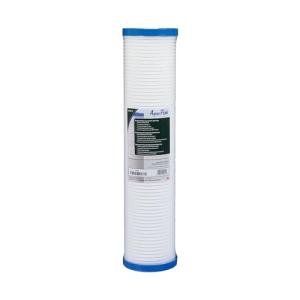
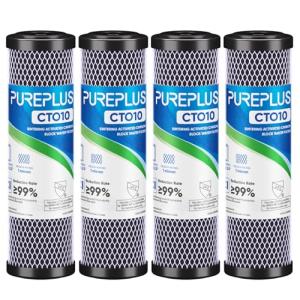
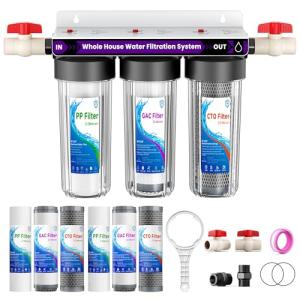
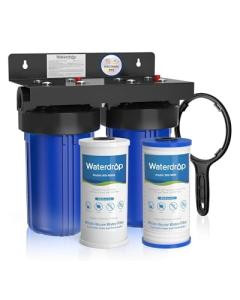
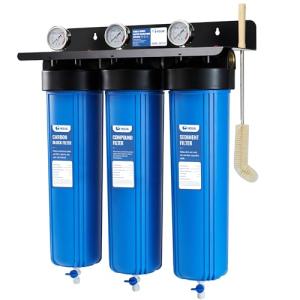
Waterdrop 5-Stage Home Filter
Waterdrop
Product Review Score
4.13 out of 5 stars
163 reviews$165.99 $113.04
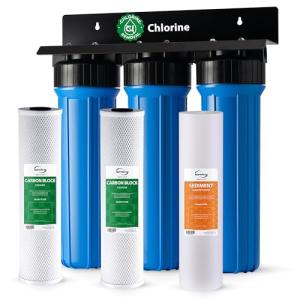
ISPRING Whole House Filter
Ispring
Product Review Score
4.99 out of 5 stars
75 reviews$420.00 $377.99
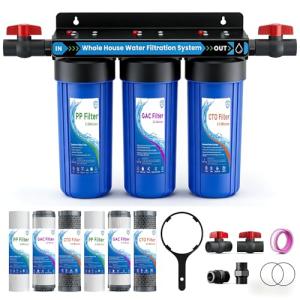
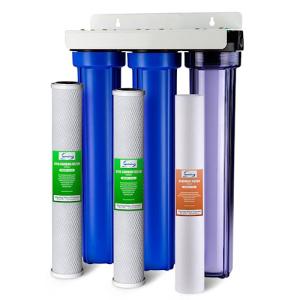
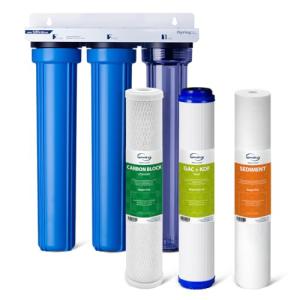
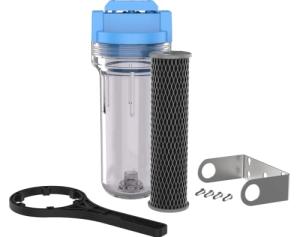
Omni U25E Whole House Filter
Omnifilter
Product Review Score
4.32 out of 5 stars
156 reviews$56.28 $53.67
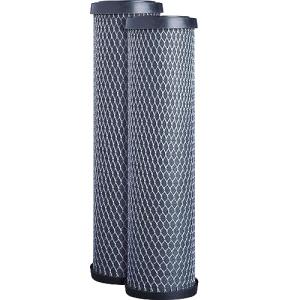
GE FXWTC Whole House Water Filter | Replaceme...
Ge
Product Review Score
4.34 out of 5 stars
215 reviews$11.96
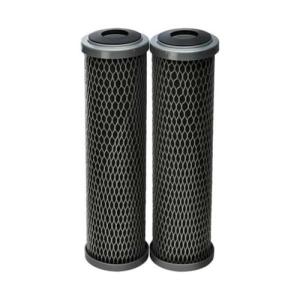
Culligan SCWH-5 Whole House Water Filter Cart...
Culligan
Product Review Score
4.16 out of 5 stars
213 reviews$11.14
What Exactly Are Whole House Water Filters?
Whole house water filters are large-scale filtration systems installed where the main water line enters your home. Unlike pitcher filters or under-sink units that only clean water at one spot, a whole house system treats all the water used throughout the property. That means every shower, every load of laundry, every ice cube, and every garden sprinkler gets purified water.
These systems typically combine multiple filtration stages in a single unit or series of tanks. They remove sediment, chlorine, chloramines, heavy metals, pesticides, PFAS (the so-called “forever chemicals”), bacteria, viruses, and even some pharmaceuticals. The result? Water that looks clearer, smells fresher, and tastes better—without the hassle of changing filters under every sink.
Modern whole house water filters are designed to handle high flow rates so you never notice a drop in water pressure. Whether you live in a small apartment, a suburban family home, or a large rural property with well water, there’s a system built for your needs. They’re especially popular in areas where municipal water contains high levels of chlorine or where private wells pull in iron, sulfur, or hardness minerals.
Why Homeowners Love Whole House Water Filtration Systems
The benefits go far beyond better-tasting drinking water. Here’s what real families notice after installing a whole house water filter:
First, your skin and hair feel dramatically different. Chlorine and other chemicals in untreated water can strip natural oils, leaving skin dry and itchy and hair brittle. Filtered water leaves your shower feeling like a luxury spa experience.
Second, your appliances last longer. Hard water and sediment wreak havoc on water heaters, dishwashers, washing machines, and coffee makers. A whole house filter reduces scale buildup and prevents clogs, which can extend the life of your expensive equipment by years.
Third, you save money and reduce plastic waste. No more hauling cases of bottled water or constantly replacing faucet filters. Many families cut their bottled water spending in half within the first month.
Fourth, peace of mind. Whether you’re concerned about lead pipes in older homes, agricultural runoff near your well, or city water treatment byproducts, a whole house system gives you control over your family’s water quality 24/7.
And let’s not forget the little things: cleaner laundry that stays brighter longer, spot-free dishes and glasses, and even better-tasting coffee and tea. It’s the kind of upgrade that makes everyday life noticeably nicer.
How Do Whole House Water Filters Actually Work?
The magic happens at the point of entry. Water from your municipal supply or private well flows into the filter system first. Most quality units use a multi-stage process:
- Sediment pre-filter: Traps dirt, rust, sand, and other large particles that could clog later stages.
- Carbon or catalytic carbon stage: Removes chlorine, chloramines, bad tastes, odors, and many organic chemicals.
- Specialty media (optional): Targets specific issues like iron, manganese, hydrogen sulfide, or hardness minerals.
- Post-filter or polishing stage: Gives the water one final clean before it heads to your faucets.
Some advanced whole house water filter systems add UV light disinfection for well water or reverse osmosis for ultra-pure results (though whole-house RO is usually paired with a smaller drinking water system because of water waste). The entire process happens automatically—you turn on the tap and clean water flows instantly.
Installation is straightforward for most homes. A licensed plumber connects the system right after your main shut-off valve, often in the basement, garage, or utility room. Once it’s in place, you rarely think about it again except for routine filter changes.
Types of Whole House Water Filtration Systems
Not all whole house water filters are created equal. Here’s a quick breakdown of the most common types so you can find the one that matches your water challenges:
Carbon-Based Whole House Filters
These are the most popular choice for city water. Activated carbon or catalytic carbon effectively removes chlorine, improves taste and odor, and reduces many volatile organic compounds (VOCs). They’re affordable, low-maintenance, and maintain excellent water pressure.
Sediment and Multi-Media Filters
Perfect for homes with cloudy or rusty water. These systems use layered media to trap particles down to 5 microns or smaller. Many combine sediment removal with carbon for all-in-one protection.
Water Softeners and Conditioners
If hard water is your main issue, a salt-based softener or salt-free conditioner pairs beautifully with a whole house filter. You get soft, non-staining water plus removal of chlorine and other contaminants.
UV Water Purifiers
Ideal for well water or any source that might contain bacteria or viruses. UV light zaps microorganisms without adding chemicals—clean, chemical-free disinfection.
Reverse Osmosis Whole House Systems
These deliver ultra-pure water but are less common for the entire house because they waste water and reduce pressure. Most homeowners use a smaller RO system under the kitchen sink for drinking water and a standard whole house filter for the rest.
Hybrid or Custom Multi-Stage Systems
The best whole house water filters often combine several technologies into one powerful unit. These are tailored to specific water test results and provide comprehensive protection against a wide range of contaminants.
Choosing the Right Whole House Water Filter for Your Home
Selecting the perfect system starts with understanding your water. The first step is always the same: get your water tested. City water reports are available online, but well owners should send samples to a certified lab. Look for levels of chlorine, iron, hardness, pH, bacteria, and any local contaminants of concern.
Next, consider your household size and flow rate. A family of four in a three-bathroom home needs a system rated for at least 10-15 gallons per minute so showers and sinks can run simultaneously without pressure drops.
Filter capacity and lifespan matter too. Some cartridges last 6-12 months, while others (like backwashing media tanks) can go 5-10 years before media replacement. Factor in ease of maintenance—do you want simple spin-down filters or something more hands-off?
Certifications are your friend. Look for NSF/ANSI Standard 42 (aesthetic effects like taste and odor), Standard 53 (health effects), and Standard 401 (emerging contaminants like PFAS and pharmaceuticals). Reputable brands clearly display these on their product pages.
Budget is important, but think long-term. A $1,000-$2,500 whole house water filter system can pay for itself in just a couple of years when you factor in reduced bottled water, fewer appliance repairs, and lower soap usage.
Installation Made Simple
Most whole house water filters are DIY-friendly if you’re comfortable with basic plumbing, but we recommend hiring a licensed plumber for peace of mind. The process usually takes 2-4 hours and involves:
- Shutting off the main water supply
- Cutting into the main line
- Installing bypass valves and shut-off valves for easy maintenance
- Connecting the filter system
- Flushing the lines and checking for leaks
After installation, run all your faucets for a few minutes to clear any carbon dust or manufacturing residue. Many systems include a pressure gauge so you can monitor performance over time.
Maintenance Tips to Keep Your System Running Perfectly
Whole house water filters are low-maintenance, but a few simple habits will keep them performing at their best:
- Mark your calendar for filter changes—most manufacturers send reminder emails or include indicator lights.
- Check the pressure gauge monthly. A noticeable drop usually means it’s time to replace the pre-filter.
- Inspect connections for leaks twice a year.
- If you have well water, test annually to catch any changes in water chemistry.
With proper care, your system can deliver clean water for 10-15 years or more. Many homeowners say it’s one of the smartest home upgrades they’ve ever made.
Whole House Water Filters vs. Other Options
Why not just use a refrigerator filter or under-sink unit? Those only treat water at one location. You’re still showering in chlorine and running hard water through your pipes. Whole house systems give you consistent quality everywhere without the daily hassle.
Pitcher filters are great for emergencies but tedious for a family. Faucet-mounted filters slow down flow and need frequent replacement. Whole house filtration is the set-it-and-forget-it solution that protects your entire home.
Common Contaminants Whole House Filters Remove
Quality systems tackle a wide range of issues:
- Chlorine and chloramines (city water)
- Sediment, rust, and turbidity
- Heavy metals like lead, mercury, and arsenic
- Pesticides, herbicides, and VOCs
- PFAS and other emerging contaminants
- Iron, manganese, and sulfur (well water)
- Bacteria and viruses (with UV add-on)
- Bad tastes and odors
The exact combination depends on your water source, which is why a water test is so valuable.
Environmental and Cost Benefits
Switching to a whole house water filter is an eco-friendly choice. You drastically cut plastic bottle waste and reduce the carbon footprint of shipping bottled water. Many systems also help your household use less detergent and soap because soft, filtered water cleans more efficiently.
Financially, the return on investment is excellent. Initial costs range from a few hundred dollars for basic systems to several thousand for premium multi-stage setups. When you consider appliance longevity, lower energy bills (scale-free water heaters work more efficiently), and eliminated bottled water purchases, the savings add up fast.
Frequently Asked Questions About Whole House Water Filters
How long do whole house water filters last? The housing can last 10-20 years. Cartridges and media need replacement every 6 months to 10 years depending on the type and your water usage.
Will a whole house filter reduce water pressure? High-quality systems are engineered to maintain excellent pressure. Proper sizing is key.
Can I install one myself? Many people do, especially with clear instructions and basic plumbing skills. Professional installation is available and often recommended.
Do they remove fluoride? Standard carbon filters do not. Specialized media or a separate reverse osmosis drinking water system is needed for fluoride removal.
Are they worth it for city water? Absolutely. Chlorine, chloramines, and pipe contaminants are common even in treated municipal supplies.
Ready for Cleaner Water Throughout Your Home?
Whole house water filters represent one of the most impactful upgrades you can make for your family’s health and comfort. From better-tasting water to longer-lasting appliances and healthier skin and hair, the benefits touch every part of daily life.
Whether you’re dealing with well water challenges or simply want to remove city water chemicals, today’s whole house water filtration systems offer smart, effective, and surprisingly affordable solutions. Take the first step by testing your water and exploring the options designed for your specific needs.
Your family deserves water they can trust—every single time they turn on the tap. A whole house water filter delivers exactly that: pure, great-tasting, safe water from every faucet, shower, and appliance in your home. It’s an investment in health, convenience, and peace of mind that pays dividends for years to come.
Start your journey to better water today. Your future self (and your pipes, skin, and taste buds) will thank you.